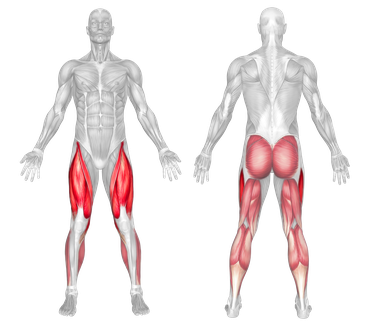
The Wall Sit, also known as the wall squat, is a highly effective strength training exercise aimed at improving lower body endurance and strength. This exercise, which is a variation of the standard squat, requires no equipment and is performed using one's body weight against a wall. Suitable for all fitness levels, it is especially beneficial for beginners due to its simple mechanics.
The Wall Sit is categorized as a strength exercise that primarily targets the quadriceps (front thigh muscles) and engages secondary muscle groups including the glutes (buttocks), hamstrings (back of the thighs), and calves. It is a compound movement, involving multiple joints and muscle groups simultaneously. The benefits of this exercise are numerous, making it a staple in fitness routines that focus on building leg strength and endurance.
Wall Sit Step-by-Step Instructions
- Start by selecting a clean, flat wall space. Stand with your back against the wall, feet shoulder-width apart, and about two feet from the wall.
- Slowly slide down the wall with your back pressed against it until your thighs are parallel to the ground. Ensure your knees are directly above your ankles and your legs form a 90-degree angle.
- Keep your back flat against the wall. Place your hands on your thighs or keep them by your side to help maintain balance.
- Hold this position for 20 to 60 seconds, depending on your ability. Breathe steadily and maintain a strong core to stabilize your body.
- To increase the challenge, extend the duration of the hold, or place a weight on your lap.
- Carefully slide back up the wall to return to a standing position.
Tips for Proper Form
- Ensure your knees do not extend past your toes to prevent undue stress on the knee joints.
- Keep your feet flat on the ground at all times to maximize stability and effectiveness.
- Maintain a neutral spine by aligning your back flat against the wall without arching or slouching.
- Engage your core throughout the exercise to support your lower back.
- Distribute your weight evenly across both legs, avoiding leaning more on one side.
- Focus on breathing deeply to help sustain the pose and increase endurance.
Wall Sit Benefits
- Increases endurance and strength in the lower body.
- Enhances core stability.
- Improves posture and alignment.
- Offers a safe and effective way to strengthen the quadriceps without heavy equipment.
- Can be modified for various fitness levels and is easily integrated into any workout routine.
- Helps in burning calories and strengthening muscles simultaneously.
Common Mistakes to Avoid
- Allowing the knees to go over the toes which can cause knee pain.
- Not keeping the back flat against the wall, which can lead to lower back strain.
- Looking down or up instead of straight ahead, which can strain the neck.
- Lifting the heels off the ground, which reduces the effectiveness of the exercise.
- Not engaging the core, leading to reduced stability and effectiveness.
- Holding the breath, which can cause an increase in blood pressure.
Summary
The Wall Sit is a versatile and effective exercise that enhances lower body strength, endurance, and core stability. It is suitable for all fitness levels and can be easily incorporated into any fitness routine. Proper form and gradual progression are key to maximizing the benefits of this exercise and avoiding common mistakes. With regular practice, Wall Sits can greatly improve muscle endurance and contribute to overall fitness and health.
Frequently Asked Questions
How long should I hold a Wall Sit?
The ideal time to hold a Wall Sit is between 20 to 60 seconds, depending on your fitness level. Gradually increase the duration as your strength improves.
Is the Wall Sit good for building muscle?
Yes, the Wall Sit is effective for building muscle endurance in the quadriceps, hamstrings, and glutes, especially with prolonged holds or added weight.
Can Wall Sits improve knee health?
Yes, when performed correctly, Wall Sits can strengthen the muscles around the knees, potentially improving knee stability and health.
Are there any variations of the Wall Sit that can increase its difficulty?
Adding weight on your lap or performing a single-leg Wall Sit are great ways to increase the challenge.
How often should I perform Wall Sits?
Incorporate Wall Sits into your routine 2-3 times a week for best results.
Can Wall Sits help with weight loss?
While primarily a muscle endurance exercise, Wall Sits can contribute to weight loss as part of a comprehensive fitness program.