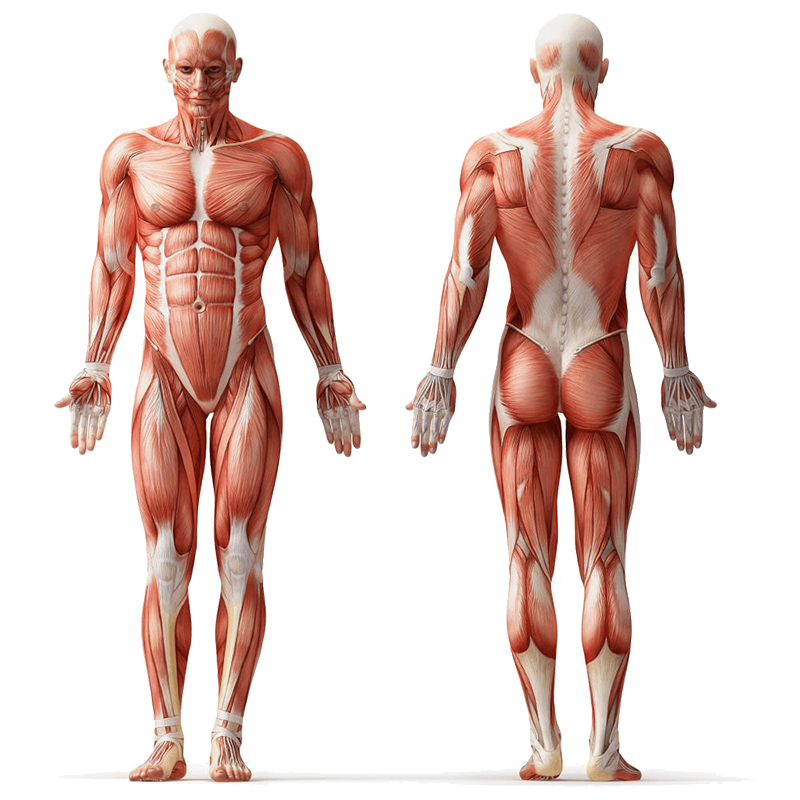
Walking, also known as ambulation, is a low impact, cardio focused, compound movement that almost anyone can do with minimal setup. It primarily works the Legs and Glutes while calling on the Core and Back to stabilize your posture, with gentle involvement of the Arms as they swing in rhythm. All you need is a comfortable pair of shoes and a safe route, which makes walking perfect for beginners and still highly useful for intermediate exercisers who want to scale pace, distance, or terrain.
What sets walking apart is its blend of accessibility and versatility. You can make it easy on flat ground or turn it into a serious workout by increasing speed, tackling hills, or using intervals. Along the way, you will build cardiovascular fitness, support healthy weight management, and boost energy and mood.
Safety Considerations
Before you lace up and set off, use these common sense precautions so every walk feels comfortable, safe, and productive.
- Choose supportive footwear that fits well with enough toe room and secure heel hold. Replace worn out shoes to reduce blisters and joint strain.
- Start conservatively if you are new to walking. Increase time or distance by small amounts each week to allow your body to adapt.
- Favor well lit, even surfaces to lower trip and fall risk. If you walk at dusk or dawn, add reflectors or bright clothing so others can see you.
- Check weather and route conditions. Slow down on wet, icy, or uneven ground and consider moving your session indoors if conditions are poor.
- Warm up with a few minutes of easy walking and dynamic ankle, calf, and hip movements. Cool down with slow walking and gentle lower body stretches.
- Carry water for longer outings and protect skin and eyes with sunscreen, a hat, and sunglasses when it is sunny.
- If you have cardiac, metabolic, or musculoskeletal conditions, speak with a healthcare provider before starting or progressing your plan.
Note: Consult a fitness professional or healthcare provider if you have pre existing conditions or experience discomfort during the exercise.
Step-by-Step Instructions
Use the steps below to set your posture, find an efficient stride, and keep your effort in the ideal zone.
- Stand tall with feet hip width apart. Relax your shoulders, lift the chest, and look ahead about 10 to 20 feet. Gently engage your Core to support a neutral spine.
- Begin with a comfortable step forward. Land softly on the heel, roll through the midfoot, then push off the toes. Let the opposite leg swing forward to repeat.
- Keep your stride natural in length. Avoid overstriding where the front foot lands too far ahead of the body. Short and quick is often more efficient than long and reaching.
- Allow a smooth arm swing at about a 90 degree elbow bend. Right arm moves with the left leg and vice versa. Keep hands unclenched and shoulders relaxed.
- Settle into a brisk but sustainable pace. Use the talk test. You should be able to speak in short sentences yet feel slightly breathless.
- Breathe rhythmically. Inhale through the nose or mouth and exhale fully. Avoid breath holding on hills or during speed bursts.
- Maintain alignment. Ears over shoulders, shoulders over hips, hips over midfoot. Think tall through the crown of the head while staying relaxed.
- Finish with a cooldown. Ease down to an easy pace for 3 to 5 minutes, then stretch calves, hamstrings, quads, and hips to restore length.
Tips for Proper Form
These form cues help you move efficiently, reduce joint stress, and get more from every step.
- Keep eyes forward, not down at your feet, to maintain balanced posture and better stride mechanics.
- Lightly brace the Core to limit excessive arching or rounding of the lower back during longer walks.
- Release tension in the upper body. Drop the shoulders away from the ears and let the arms swing naturally.
- Push the ground away using a full toe off. This improves propulsion and engages the Calves and Glutes more effectively.
- Shorten your stride on hills. Lean slightly forward from the ankles on climbs and control the descent with smaller, quicker steps on downhills.
- Keep steps quiet and light. Heavy footfalls can signal overstriding or excessive impact.
- Use the talk test to monitor intensity. If you can sing, speed up. If you cannot speak in short phrases, slow down.
- Vary routes, surfaces, and inclines across the week to challenge different tissues and keep motivation high.
Common Mistakes to Avoid
Steer clear of these frequent errors to stay comfortable and injury free as you build walking volume.
- Slouching or hunching the shoulders, which strains the neck and upper Back. Stand tall and keep the chest open.
- Overstriding with the foot reaching far in front of the body. Aim for the foot to land closer under the hips.
- Stiff, minimal arm swing, which reduces momentum and may create shoulder tension. Keep elbows bent and swing naturally.
- Starting too fast or adding too much distance too soon. Progress gradually to protect feet, ankles, knees, and hips.
- Wearing worn out or unsupportive shoes. Replace footwear regularly and choose models that match your gait and terrain.
- Skipping warm up and cooldown. A few minutes of gentle prep and recovery goes a long way for comfort and consistency.
- Ignoring uneven or unsafe surfaces. Choose routes that match your current ability and use extra care on trails or in low light.
Primary Benefits
Regular walking delivers a broad set of health and fitness wins that build up quickly and last for the long term.
- Improves cardiovascular fitness by challenging the heart and lungs at a manageable intensity.
- Supports healthy weight management through steady calorie burn and better daily activity levels.
- Strengthens bones and joints since walking is weight bearing yet gentle on impact compared to running.
- Enhances mood, reduces stress, and can improve sleep quality thanks to consistent rhythmic movement.
- Builds endurance for daily life so errands, stairs, and recreational activities feel easier.
- Engages major lower body muscles including Quads, Hamstrings, Calves, and Glutes, while the Core and Back assist with posture.
- Encourages better balance and coordination due to reciprocal arm leg action and varied terrain exposure.
- Promotes heart health, blood pressure control, and metabolic health when performed consistently across the week.
Regressions
If you are easing into exercise or returning after time off, choose one or more of these gentler options.
- Short duration walks of 5 to 10 minutes at an easy pace, repeated 1 to 3 times per day.
- Indoor walking on a treadmill or around a hallway to avoid poor weather or uneven ground.
- Walk in place intervals at home, alternating 30 to 60 seconds easy and 30 seconds rest.
- Assisted walking with trekking poles or along a stable handrail for added balance.
- Flat surface only routes to minimize load while you build tolerance.
- Split sessions such as two 10 minute walks instead of a single 20 minute outing.
- Seated marching or gentle joint mobility for those with limited weight bearing tolerance until walking feels comfortable.
Progressions
When basic walks feel comfortable, level up the challenge with smart, stepwise progressions.
- Increase pace to brisk walking where you can talk but not sing for the majority of the session.
- Interval walking such as 1 minute fast and 1 to 2 minutes easy, repeated for time.
- Hill or incline walks outdoors or on a treadmill to raise intensity without impact.
- Longer duration sessions by adding 5 to 10 minutes per week to a key day.
- Uneven terrain or trail walks to stimulate balance and recruit stabilizers.
- Power walking with quicker turnover while maintaining clean walking mechanics.
- Weighted vest or light pack for experienced walkers who want a modest load increase.
- Backward walking in a safe, open area to challenge coordination and different muscles.
Summary
Walking is a simple, scalable exercise that builds cardiovascular fitness, strengthens bones and joints, and lifts energy and mood while staying gentle on the body. With just supportive shoes and a safe route, you can progress by adjusting pace, distance, incline, and terrain. Focus on upright posture, smooth arm swing, and gradual progression to get the most from every step.
FAQs
These quick answers cover the most common questions so you can plan your walking routine with confidence.
How often should I walk each week?
Aim for at least 150 minutes of moderate intensity walking per week. That could be 30 minutes on 5 days or shorter bouts that add up.
How fast is a brisk walk?
Brisk means you can speak in short sentences but feel somewhat breathless. Focus on effort rather than exact speed to account for hills and wind.
Is walking enough exercise by itself?
Walking is a strong foundation. For a balanced program, add two days of strength training and some mobility work each week.
What muscles does walking target?
Primarily the Legs and Glutes, including Quads, Hamstrings, and Calves. The Core and Back stabilize the torso, and the Arms assist through a natural swing.
How should I breathe while walking?
Breathe rhythmically and steadily. Inhale through the nose or mouth and exhale fully. Avoid holding your breath on hills or during faster intervals.
What if I get sore shins or knees?
Reduce stride length, soften your landing, and progress volume more slowly. Consider softer surfaces and ensure your shoes are supportive and not worn out.
When is the best time of day to walk?
The best time is the one you can do consistently. Morning walks set a positive tone for the day, while lunchtime or evening walks can ease stress.
Can I use hand weights while walking?
It is safer and more effective to increase pace or incline first. If you add load, consider a light weighted vest rather than carrying dumbbells in your hands.