
Walking on Treadmill

Video Demo, Instructions, Proper Form Tips, Common Mistakes, Benefits and FAQs
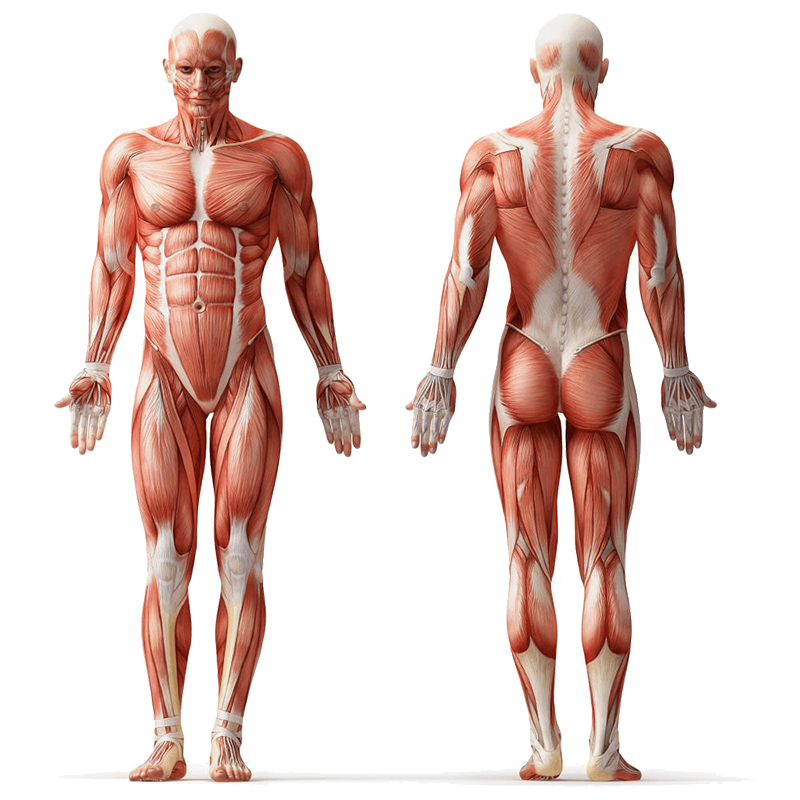
Exercise Profile

Target Muscles:

Calves, Quadriceps, Hamstrings, Glutes

Secondary Muscles:

Core, Lower Back

Exercise Type:

Cardio

Equipment:

Treadmill

Difficulty:

Beginner to Intermediate

Mechanics:

Compound
Muscle Anatomy

Walking on Treadmill, often simply called treadmill walking, is a friendly and accessible cardio movement that uses a treadmill, whether motor-driven or manual, to help improve heart health, burn calories, and work multiple muscle groups. It is a compound form of cardio that activates your calves, quadriceps, hamstrings, glutes, and core while also engaging your abdominals and lower back to stabilize. Ideal for those starting out or coming back to fitness, it offers a gentle yet effective path to building endurance, enhancing posture, and supporting joint health. Suitable for settings like home, gym, or indoors, treadmill walking is a foundation for varied workouts like incline walking, intervals, or active recovery days.

Safety Considerations

Always stand beside the belt before starting, clip on the treadmill safety key, and familiarize yourself with the emergency stop button. Begin with a slow speed and gradually step onto the moving belt. Do not hold onto the rails unless needed for balance, and keep your eyes forward to avoid neck or back strain. Use well-fitting shoes to prevent slipping or foot discomfort. Allow space around the treadmill in case of sudden stops or loss of balance. Warm up before and cool down after walking.

Note: Consult a fitness professional or healthcare provider if you have pre-existing conditions or experience discomfort during the exercise

Step-by-Step Instructions

These steps will help you perform treadmill walking safely and effectively.

  1. Stand with one foot on each side of the stationary belt and attach the safety clip to your clothing.
  2. Turn on the treadmill and start at a slow walking pace.
  3. Once the belt moves smoothly, step onto the center of the treadmill and begin walking.
  4. Maintain upright posture with core engaged, shoulders relaxed, and gaze forward.
  5. Walk at a comfortable pace for 5 to 10 minutes to warm up.
  6. Adjust speed or incline based on your fitness level and goals.
  7. Walk steadily for your desired duration while focusing on good form.
  8. To end the session, slowly reduce speed and incline, then step off once the belt stops.
  9. Finish with a cool-down session and gentle stretching.

Tips for Proper Form

Keep these form pointers in mind to get the most from your treadmill walking.

  • Stand tall and avoid leaning forward or slouching.
  • Keep your chin level and gaze straight ahead.
  • Engage your core to support posture and stability.
  • Use a natural heel-to-toe stride and avoid overstriding.
  • Allow a relaxed arm swing to help with rhythm and balance.
  • Walk with a steady tempo and smooth steps.
  • Adjust the incline slightly to make the workout more effective and enjoyable.

Common Mistakes to Avoid

Watch out for these frequent errors that can hurt form or derail progress.

  • Stepping onto a fast-moving belt without preparation.
  • Clinging to the handrails, which reduces muscle engagement.
  • Looking down or keeping your neck bent forward.
  • Leaning forward or backward instead of standing upright.
  • Taking overly long strides that disrupt balance.
  • Wearing improper footwear that prevents good stride mechanics.

Primary Benefits

Here are the main reasons treadmill walking is such a valuable exercise.

  • Provides accessible, low-impact cardio that supports joint health.
  • Strengthens lower-body muscles like calves, quads, hamstrings, and glutes.
  • Engages core and improves posture and stability.
  • Burns calories and supports heart health.
  • Can be done indoors regardless of weather or time.
  • Adaptable via incline or speed for progression and variation.

Regressions

If you’re finding treadmill walking too challenging at first, try these easier options.

  • Start walking off the treadmill on a flat surface to build baseline strength.
  • Use a manual walking pad inside your home at a slow, comfortable pace.
  • Begin with very slow speed walking for shorter durations like 5 minutes.
  • Walk with the handrails lightly for balance until confident in your form.

Progressions

Ready to level things up? Try these progressions to make the exercise more challenging.

  • Add gentle incline walking to boost cardiovascular and muscle engagement.
  • Use interval walking by alternating faster and slower walking periods.
  • Increase session duration gradually for endurance gains.
  • Incorporate short bursts of high-incline walking followed by recovery on flat.

Summary

Walking on Treadmill is a beginner-friendly, compound cardio exercise that effectively works your calves, quadriceps, hamstrings, glutes, and core while promoting endurance, joint health, and posture. With thoughtful safety steps, good posture, and progression options like incline or intervals, this simple indoor movement travels a long way toward building cardiovascular fitness. Approach it consistently with care and attention to form, and it will serve as a reliable foundation on your fitness journey.

FAQs

Curious about treadmill walking? Here are some answers to common questions.

Can I walk on a treadmill every day?

Yes, treadmill walking is low impact and safe for daily activity, as long as you listen to your body and allow rest if muscles feel fatigued.

Is incline walking better than flat walking?

Incline walking engages more muscles and burns more calories while being gentler on joints, making it a great way to intensify your workout.

How fast should I walk on the treadmill?

Choose a pace that feels slightly challenging while still allowing you to maintain good posture and stride.

Should I look at the screen while walking?

Avoid looking down at the console constantly. Keep your eyes forward to maintain neck posture and reduce the risk of imbalance.

How long should I walk each session?

Beginners can start with 10- to 20-minute sessions and gradually increase to 30 minutes or more, based on comfort and fitness goals.

What if I feel discomfort while walking?

If you feel pain, especially in joints or lower back, reduce speed or incline, check your form, and consult a professional if needed.

Disclaimer: It’s important to keep in mind that not all exercises are suitable for everyone. Before trying out a new exercise, it’s crucial to consider factors such as your flexibility, strength, and overall health to determine whether or not the exercise is appropriate for you. Like any exercise, there is inherent danger associated with it and it can potentially cause personal injury. It’s solely the responsibility of the exerciser to bear any injury sustained from the proper or improper use of this exercise. World Fitness.Online and its partners cannot be held liable for any injury that occurs as a result of using this exercise and it’s strongly advised that you seek guidance from a professional healthcare provider before attempting any exercise or exercise program.
Facebook
Twitter
LinkedIn
Scroll to Top