
Squat to Jumping Jack

Video Demo, Instructions, Proper Form Tips, Common Mistakes, Benefits and FAQs
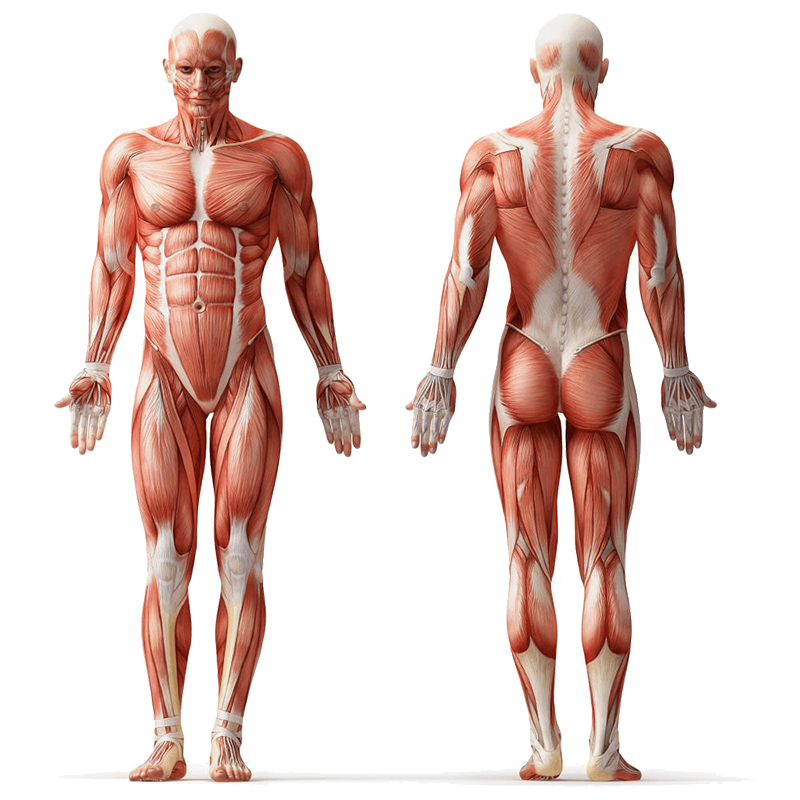
Exercise Profile

Target Muscles:

Quads

Secondary Muscles:

Glutes, Calves, Core

Exercise Type:

Strength, Cardio

Equipment:

Bodyweight

Difficulty:

Beginner to Advanced

Mechanics:

Compound
Muscle Anatomy

The Squat to Jumping Jack is a dynamic, full-body exercise that combines the strength-building benefits of a squat with the cardiovascular intensity of a jumping jack. This compound movement primarily targets the quadriceps (front thigh muscles), gluteus maximus (buttocks), and calves, while also engaging the hamstrings (back thigh muscles), core muscles, and upper body for coordination and stability. Performed without equipment, this exercise is ideal for individuals of all fitness levels looking to improve lower body strength, explosiveness, and aerobic endurance. By integrating it into your routine, you can enhance functional fitness, boost calorie burn, and improve overall coordination.

Unlike a traditional squat or jumping jack performed in isolation, the Squat to Jumping Jack blends a controlled, strength-focused lower body movement with a fast-paced, plyometric action. This combination increases heart rate, builds muscular endurance, and promotes agility, making it a popular choice for circuit training or high-intensity interval workouts (HIIT). The exercise also requires no equipment, offering versatility for home or gym settings.

Before attempting the Squat to Jumping Jack, ensure you’re comfortable with basic squat form and have a foundational level of cardiovascular fitness. A proper warm-up targeting the lower body, core, and shoulders is recommended to prepare your muscles and joints. Focus on maintaining good technique throughout to maximize benefits and minimize the risk of strain.

In the sections below, we’ll provide step-by-step instructions, tips for proper form, explore the benefits of the Squat to Jumping Jack, identify common mistakes to avoid, and answer frequently asked questions to give you a complete guide to mastering this exercise.

By incorporating the Squat to Jumping Jack into your workouts, you can elevate your fitness level and enjoy a fun, effective way to strengthen your body.

*Note: If you have pre-existing joint issues (e.g., knees, hips, or ankles) or experience discomfort during the exercise, consult a fitness professional or healthcare provider before proceeding.*

Step-by-Step Instructions

  1. Stand with your feet shoulder-width apart, arms relaxed by your sides, and your core engaged. This is your starting position.
  2. Bend your knees and push your hips back to lower into a squat, keeping your chest up and knees aligned with your toes. Aim to lower until your thighs are nearly parallel to the ground.
  3. Press through your heels to explosively stand up from the squat, simultaneously jumping your feet out to the sides (wider than shoulder-width) while raising your arms overhead in a jumping jack motion.
  4. Land softly on the balls of your feet with your knees slightly bent, immediately bringing your arms back down to your sides and your feet back to shoulder-width apart.
  5. Without pausing, transition smoothly into the next squat and repeat the sequence for the desired number of repetitions or time interval.
  6. Continue the movement in a fluid, controlled rhythm, maintaining steady breathing throughout.

Tips for Proper Form

  • Keep your core tight during both the squat and jumping jack phases to support your spine and improve stability.
  • In the squat, avoid letting your knees cave inward—keep them tracking over your toes.
  • Land softly after each jump to reduce impact on your joints, especially your knees and ankles.
  • Sync your arm and leg movements for a smooth, coordinated flow.
  • Maintain an upright torso in the squat; avoid rounding your back or leaning too far forward.
  • Breathe rhythmically: inhale as you squat, exhale as you jump and raise your arms.

Common Mistakes to Avoid

  • Performing the squat too shallow, which reduces lower body engagement—aim for a deeper range of motion.
  • Landing heavily or with locked knees after the jump, increasing joint stress.
  • Rushing the movement without control, sacrificing form for speed.
  • Allowing the back to round during the squat, which can strain the lower back.
  • Neglecting arm movement, diminishing the full-body benefit of the exercise.
  • Holding your breath, which can lead to fatigue or dizziness—focus on steady breathing.

Squat to Jumping Jack Benefits

  • Strengthens the quadriceps, glutes, and calves while improving lower body power.
  • Boosts cardiovascular endurance and burns calories effectively.
  • Enhances coordination and agility through combined squat and jumping movements.
  • Requires no equipment, making it accessible for home workouts or travel.
  • Improves explosive strength and muscular endurance, beneficial for sports and daily activities.
  • Engages the core and upper body for a full-body conditioning effect.

Summary

The Squat to Jumping Jack is a versatile, equipment-free exercise that builds strength, endurance, and coordination. With proper technique and a steady rhythm, it’s an excellent addition to any fitness routine, offering both muscular and cardiovascular benefits.

FAQs

How often should I include Squat to Jumping Jacks in my routine?

You can perform this exercise 2–3 times per week, either as part of a warm-up, HIIT workout, or cardio circuit.

Is the Squat to Jumping Jack suitable for beginners?

Yes, it’s beginner-friendly, though those new to exercise should start with slower reps and master squat form first.

What’s the difference between this and a regular jumping jack?

The addition of a squat increases lower body strength focus and intensifies the movement compared to a standard jumping jack.

Can I modify this exercise if I have joint pain?

Yes, try stepping out to the sides instead of jumping, or perform a squat-to-stand without the jack motion.

How long should I do this exercise?

For cardio, aim for 30–60 seconds per set; for strength, try 10–15 reps per set, adjusting based on your goals.

What if I lose balance during the jump?

Slow down the movement, focus on landing softly, and practice the squat and jumping jack separately before combining them.

Disclaimer: It’s important to keep in mind that not all exercises are suitable for everyone. Before trying out a new exercise, it’s crucial to consider factors such as your flexibility, strength, and overall health to determine whether or not the exercise is appropriate for you. Like any exercise, there is inherent danger associated with it and it can potentially cause personal injury. It’s solely the responsibility of the exerciser to bear any injury sustained from the proper or improper use of this exercise. World Fitness.Online and its partners cannot be held liable for any injury that occurs as a result of using this exercise and it’s strongly advised that you seek guidance from a professional healthcare provider before attempting any exercise or exercise program.
Facebook
Twitter
LinkedIn
Scroll to Top