Squat Punches, also known as Top Bottom Punch Squat, Sumo Squat with Alternating Jabs, Squat with Jabs, Squat Punch Combo, Squat Boxing Punches, or Wide Stance Squat Punches, combine lower body strength and upper body conditioning in a single, dynamic movement. It blends a wide squat position with rapid alternating punches to build leg power, shoulder endurance, and cardio fitness at once.
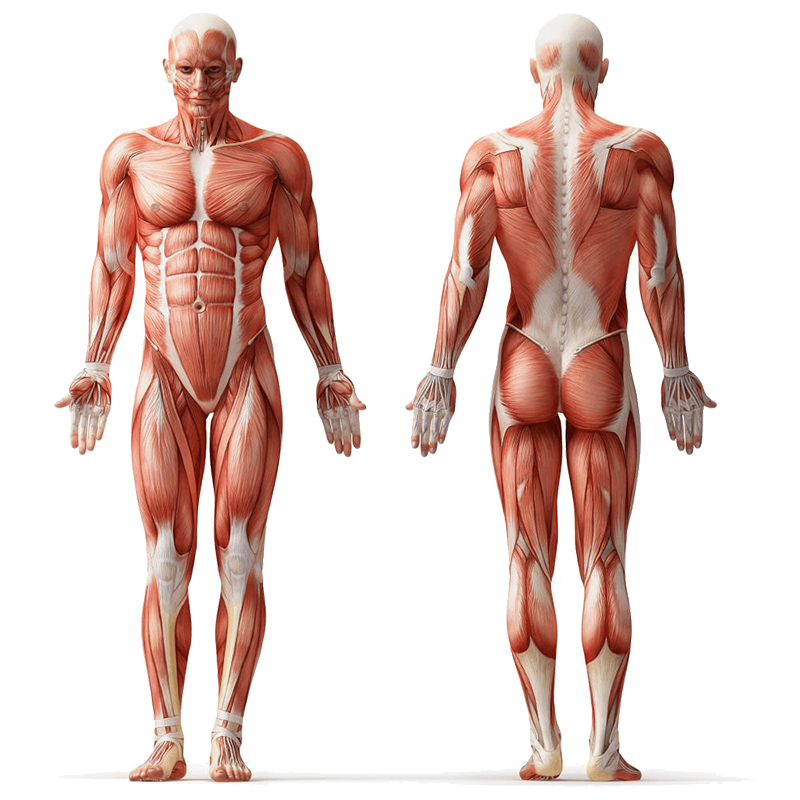
The exercise uses compound mechanics that recruit multiple joints and muscles, with the Quads, Glutes, Adductors, and Hamstrings powering the squat, while the Deltoids, Triceps, Chest, and Core stabilize and drive each punch. Because the rhythm shifts between squat and upper-body jabs, the heart rate stays elevated, making this move excellent for fat burning, stamina, and coordination. It’s a simple, equipment-free workout option suitable for beginners through advanced athletes, adaptable for bodyweight training, boxing-inspired workouts, or functional circuits.
Safety Considerations
Before starting Squat Punches, focus on joint alignment, posture, and space clearance to keep the movement efficient and safe.
- Stance setup: Stand with feet wider than shoulder-width, toes turned slightly outward. Track knees in line with the toes throughout.
- Neutral posture: Keep the chest up, back straight, and Core braced. Avoid rounding the lower back during the squat.
- Punch control: Extend each jab to shoulder height without locking the elbow or twisting through the knees.
- Breathing: Exhale softly with each punch and inhale as you transition between phases.
- Environment: Make sure there is clear space in front to avoid striking objects.
- Warm up: Loosen hips, shoulders, and wrists before the workout to prevent stiffness.
Note: Consult a fitness professional or healthcare provider if you have pre-existing conditions or experience discomfort during the exercise.
Step-by-Step Instructions
Follow these steps to perform Squat Punches with control and rhythm.
- Set your stance: Stand with feet wide and toes turned out slightly. Bring fists up in front of the chest, elbows bent, and Core tight.
- Lower into the squat: Bend your knees and sit hips down and back until thighs are parallel to the floor. Keep weight balanced through the heels.
- Throw the first jab: Extend your right arm straight forward at shoulder height, palm down, keeping Core stable.
- Alternate the jab: Retract your right arm and punch with your left arm in the same fashion.
- Stand tall: Push through your heels to return to standing while maintaining upright posture.
- Repeat punches: From the standing position, perform another right and left jab sequence.
- Continue alternating: Move smoothly between the squat and standing jabs, keeping a steady rhythm and controlled breathing.
Tips for Proper Form
These form pointers help maximize results and protect your joints.
- Keep knees pointing in the same direction as toes during the squat.
- Brace the Core to prevent twisting or leaning as you punch.
- Punch from the shoulder, not the elbow, to avoid strain.
- Keep movements rhythmic and controlled rather than jerky or rushed.
- Engage glutes at the top of the squat for better hip activation.
- Relax your grip and shoulders between punches to avoid fatigue.
- Focus eyes forward to maintain neck alignment and balance.
Common Mistakes to Avoid
Awareness of these common errors will help you move safely and effectively.
- Letting knees collapse inward during the squat.
- Twisting the spine or knees during jabs instead of using controlled shoulder movement.
- Rounding the back or dropping the chest.
- Locking elbows at full punch extension.
- Moving too fast and losing squat depth or form integrity.
- Holding your breath or tensing the neck and shoulders.
Primary Benefits
Squat Punches provide a well-rounded, full-body challenge that supports strength, coordination, and endurance.
- Develops leg strength through the squat phase, emphasizing Quads, Glutes, and Adductors.
- Improves upper-body endurance in shoulders, arms, and chest through repeated jabs.
- Boosts Core stability and balance by combining lower and upper body motion.
- Raises heart rate for cardio and fat-burning benefits.
- Enhances coordination, timing, and rhythmic control.
- Engages multiple joints for efficient full-body conditioning.
- Can be performed anywhere with no equipment required.
Regressions
If you’re new to this move or building foundational strength, try these easier variations.
- Perform half squats instead of full-depth squats.
- Remove the punches during the squat phase—jab only when standing.
- Slow down the tempo and focus on form and breathing rhythm.
- Hold onto a wall or sturdy object for balance support.
- Limit the number of repetitions until coordination improves.
Progressions
Once you’re comfortable, increase intensity and coordination with these upgrades.
- Hold light dumbbells (0.5–1.5 kg) while jabbing to add resistance.
- Add a small pulse at the bottom of the squat before punching.
- Increase punch speed for cardio emphasis.
- Incorporate timed intervals such as 30 seconds work, 15 seconds rest.
- Combine Squat Punches with other moves like Jumping Jacks or Lunges for circuit training.
Summary
Squat Punches blend lower-body strength training with upper-body endurance and cardio, delivering a complete full-body workout that builds power, coordination, and stamina. By combining a wide squat stance with alternating jabs, it challenges your legs, Core, shoulders, and arms while elevating heart rate. Control your form, maintain a steady rhythm, and progress gradually for the best results.
FAQs
Here are answers to common questions about performing Squat Punches effectively.
What muscles do Squat Punches work?
They target the Quads, Glutes, Adductors, and Hamstrings in the lower body, with secondary activation in the Shoulders, Chest, Triceps, and Core.
Can I use weights for Squat Punches?
Yes, you can use light dumbbells to increase upper-body resistance, but avoid heavy weights that compromise form or speed.
How deep should I squat?
Descend until your thighs are roughly parallel to the floor or to a comfortable depth while keeping your back straight and knees tracking over toes.
How fast should I perform Squat Punches?
Maintain a controlled rhythm where form stays clean—fast enough to raise heart rate, but not so fast that you lose stability or depth.
Can this exercise replace cardio?
It can supplement or form part of your cardio routine, as it elevates heart rate while strengthening key muscle groups.
Is this exercise joint-friendly?
Yes. It is low impact, making it suitable for most fitness levels. Keep knees aligned with toes and avoid jerky upper-body movements for comfort.