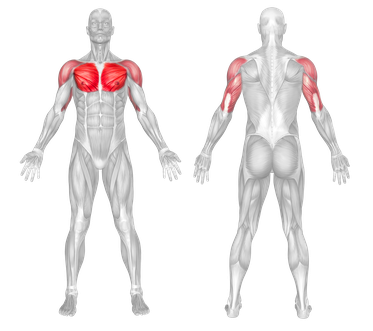
The Smith Machine Bench Press, also known as the Smith Machine Chest Press, is a popular variation of the traditional bench press performed using the Smith machine. This exercise is suitable for all experience levels, from beginners to advanced lifters. As a strength-building exercise, it primarily targets the pectoralis major (chest muscles) while also engaging the triceps brachii (triceps) and the anterior deltoids (front shoulders).
The Smith Machine Bench Press is classified as a compound movement due to its involvement of multiple joints and muscle groups. The equipment required is the Smith machine and a flat bench. This exercise provides a controlled environment that can help lifters focus on form and strength without needing a spotter, making it a beneficial addition to any chest workout routine.
Smith Machine Bench Press Step-by-Step Instructions
- Set up the Smith machine by placing a flat bench underneath the bar. Ensure the bar is at a height that allows you to un-rack and re-rack it easily.
- Lie back on the bench, positioning your middle chest directly under the bar. Keep your feet flat on the floor for stability.
- Grasp the bar with an overhand grip slightly wider than shoulder-width apart. Your wrists should be straight and aligned with your elbows.
- Unrack the bar by rotating your wrists to release the safety hooks. Keep your shoulder blades retracted and your chest up.
- Lower the bar slowly and with control until it is about an inch above your chest. Maintain a slight arch in your lower back and keep your elbows at a 45-degree angle from your body.
- Pause briefly at the bottom, then press the bar back up to the starting position, stopping just short of locking out your elbows.
- Repeat for the desired number of repetitions, maintaining controlled movement throughout the set.
Smith Machine Bench Press, Tips for Proper Form
- Maintain a slow and controlled tempo to maximize muscle engagement and minimize injury risk.
- Avoid bouncing the bar off your chest to ensure proper muscle activation and prevent injury.
- Keep your wrists straight and in line with your elbows to optimize force transfer and reduce strain on your joints.
- Use a wider grip to place more emphasis on your chest muscles rather than your shoulders.
- Engage your core and keep your feet flat on the floor to provide a stable base and support proper form.
- Ensure your shoulder blades are retracted and your chest is up throughout the movement to protect your shoulders and enhance chest activation.
Smith Machine Bench Press Benefits
- Allows for heavy lifting without a spotter due to the safety features of the Smith machine.
- Provides a stable and controlled environment, making it easier to focus on proper form and muscle activation.
- Engages multiple muscle groups, including the chest, triceps, and shoulders, for a comprehensive upper body workout.
- Reduces the risk of injury by minimizing the need for balance and stabilization compared to free-weight bench presses.
- Can be used to safely perform variations such as incline and decline presses to target different parts of the chest.
- Suitable for all experience levels, making it a versatile addition to any strength training program.
Smith Machine Bench Press, Common Mistakes to Avoid
- Incorrect bench placement: Ensure the bar starts above your shoulders and lowers to your mid-chest for optimal biomechanics.
- Flaring elbows: Keep your elbows at a 45-degree angle to avoid placing excessive strain on your shoulder joints.
- Not retracting shoulder blades: Pull your shoulder blades down and together to protect your shoulder joints and enhance chest activation.
- Locking out elbows: Avoid locking your elbows at the top of the movement to maintain tension on the muscles and protect your joints.
- Using too much weight: Start with a manageable weight to master the form before progressively increasing the load.
- Neglecting breathing: Inhale as you lower the bar and exhale as you press it back up to ensure proper oxygen flow and stability.
Smith Machine Bench Press Summary
The Smith Machine Bench Press is a compound strength exercise that effectively targets the chest, triceps, and shoulders. Suitable for all experience levels, it provides a controlled environment for heavy lifting without a spotter. Key benefits include enhanced muscle activation, reduced injury risk, and versatility in performing various press variations. Proper form is essential to maximize the benefits and minimize common mistakes.
Smith Machine Bench Press FAQs
How often should I perform the Smith Machine Bench Press?
It can be incorporated into your workout routine 1-2 times per week, allowing adequate rest between sessions.
Is the Smith Machine Bench Press safer than the free-weight bench press?
The Smith machine offers additional stability and safety features, making it a safer option for some lifters, especially those without a spotter.
Can beginners perform the Smith Machine Bench Press?
Yes, it is suitable for beginners due to its controlled nature and the added safety of the machine.
What are some variations of the Smith Machine Bench Press?
Variations include the incline Smith Machine Bench Press, decline Smith Machine Bench Press, and close-grip Smith Machine Bench Press.
How does the Smith Machine Bench Press compare to the traditional bench press?
The Smith machine provides more stability and allows for safer heavy lifting, but it may not engage stabilizing muscles as effectively as the free-weight version.
What should I do if I experience shoulder pain during the Smith Machine Bench Press?
Check your form to ensure your elbows are not flared and your shoulder blades are retracted. Consider reducing the weight and consulting with a fitness professional if the pain persists.