
Slow Negative Push-Ups

Video Demo, Instructions, Proper Form Tips, Common Mistakes, Benefits and FAQs
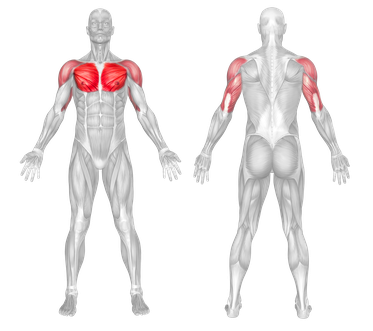
Exercise Profile

Target Muscles:

Chest

Secondary Muscles:

Shoulders, Triceps

Exercise Type:

Strength

Equipment:

Bodyweight

Difficulty:

Beginner to Advanced

Mechanics:

Compound
Chest Target Muscle Group

Slow Negative Push-Ups, also known as Eccentric Push-Ups, are a variation of the traditional push-up that emphasizes the eccentric phase of the movement. This exercise is ideal for building muscle strength and endurance in the upper body, specifically targeting the pectoralis major (chest muscles), triceps brachii (triceps), and deltoids (shoulder muscles). Slow Negative Push-Ups are a compound exercise, meaning they engage multiple muscle groups and joints simultaneously.

This exercise requires no equipment, making it a convenient body-weight exercise for various fitness levels. By slowing down the lowering phase, you increase the time under tension, which can lead to greater muscle growth and strength gains. Slow Negative Push-Ups are particularly beneficial for those looking to improve their push-up form or build strength for more advanced push-up variations.

Step-by-Step Instructions

  1. Begin in a standard push-up position with your hands placed slightly wider than shoulder-width apart and your feet together. Your body should form a straight line from your head to your heels.
  2. Engage your core and maintain a tight body position. Avoid sagging your hips or arching your back.
  3. Slowly lower your body towards the ground by bending your elbows, taking about 3-5 seconds to descend. Focus on keeping your elbows at a 45-degree angle to your body.
  4. Continue to lower yourself until your chest is just above the ground or as far as your strength allows while maintaining proper form.
  5. Once you reach the bottom of the movement, pause for a moment.
  6. Push yourself back up to the starting position with a normal tempo, fully extending your elbows.
  7. Repeat the movement for the desired number of repetitions.

Tips for Proper Form

  • Keep your core engaged throughout the movement to maintain a straight body line.
  • Control the lowering phase by counting to 3 or 5 seconds as you descend.
  • Avoid letting your elbows flare out too much; keep them at a 45-degree angle to protect your shoulders.
  • Focus on the mind-muscle connection, especially in the chest and triceps, to maximize engagement.
  • Maintain a steady and controlled pace to prevent rushing through the exercise.
  • Ensure that your hands are positioned correctly to avoid unnecessary strain on your wrists.

Benefits

  • Increases upper body strength by focusing on the eccentric phase.
  • Enhances muscle growth due to increased time under tension.
  • Improves push-up form and technique.
  • Engages core muscles for better stability and balance.
  • Requires no equipment, making it accessible and convenient.
  • Can be modified to suit different fitness levels by adjusting the speed or adding pauses.

Common Mistakes to Avoid

  • Sagging hips: Keep your core engaged to maintain a straight body line.
  • Flared elbows: Keep your elbows at a 45-degree angle to protect your shoulders.
  • Rushing through the exercise: Control the lowering phase and avoid speeding up.
  • Improper hand placement: Ensure your hands are slightly wider than shoulder-width apart.
  • Incomplete range of motion: Lower your body until your chest is just above the ground.
  • Holding your breath: Remember to breathe throughout the movement, exhaling as you push up.

Summary

Slow Negative Push-Ups are an excellent body-weight exercise that emphasizes the eccentric phase of the push-up, leading to increased upper body strength and muscle growth. This compound movement targets the chest, triceps, and shoulders while engaging the core for stability. By slowing down the lowering phase, you can improve your push-up form and technique, making it an effective addition to any fitness routine. Proper form and control are essential to maximize benefits and avoid common mistakes.

Slow Negative Push-Ups FAQs

How often should I perform Slow Negative Push-Ups?

For best results, incorporate Slow Negative Push-Ups into your workout routine 2-3 times per week, allowing at least one day of rest between sessions to promote muscle recovery.

Can beginners perform Slow Negative Push-Ups?

Yes, beginners can perform Slow Negative Push-Ups by modifying the exercise, such as doing the push-ups on their knees or against a wall to reduce the intensity.

What is the main benefit of Slow Negative Push-Ups?

The main benefit of Slow Negative Push-Ups is the increased time under tension during the eccentric phase, which can lead to greater muscle strength and growth.

Do Slow Negative Push-Ups work the same muscles as regular push-ups?

Yes, Slow Negative Push-Ups target the same muscles as regular push-ups, primarily the chest, triceps, and shoulders, but with a greater emphasis on the eccentric phase.

How can I make Slow Negative Push-Ups more challenging?

To make Slow Negative Push-Ups more challenging, you can increase the lowering duration, add pauses at the bottom, or perform the exercise with your feet elevated.

Are Slow Negative Push-Ups safe for shoulder joints?

Yes, when performed with proper form and controlled movement, Slow Negative Push-Ups are safe for the shoulder joints. Ensure that your elbows remain at a 45-degree angle to your body to avoid unnecessary strain.

Disclaimer: It’s important to keep in mind that not all exercises are suitable for everyone. Before trying out a new exercise, it’s crucial to consider factors such as your flexibility, strength, and overall health to determine whether or not the exercise is appropriate for you. Like any exercise, there is inherent danger associated with it and it can potentially cause personal injury. It’s solely the responsibility of the exerciser to bear any injury sustained from the proper or improper use of this exercise. World Fitness.Online and its partners cannot be held liable for any injury that occurs as a result of using this exercise and it’s strongly advised that you seek guidance from a professional healthcare provider before attempting any exercise or exercise program.
Facebook
Twitter
LinkedIn
Scroll to Top