
Sled 45 Degrees Leg Press

Video Demo, Instructions, Proper Form Tips, Common Mistakes, Benefits and FAQs
Exercise Profile

Target Muscles:

Quadriceps

Secondary Muscles:

Glutes, Hamstring, Calves

Exercise Type:

Strength

Equipment:

45-Degree Leg Press Machine

Difficulty:

Beginner to Intermediate

Mechanics:

Compound
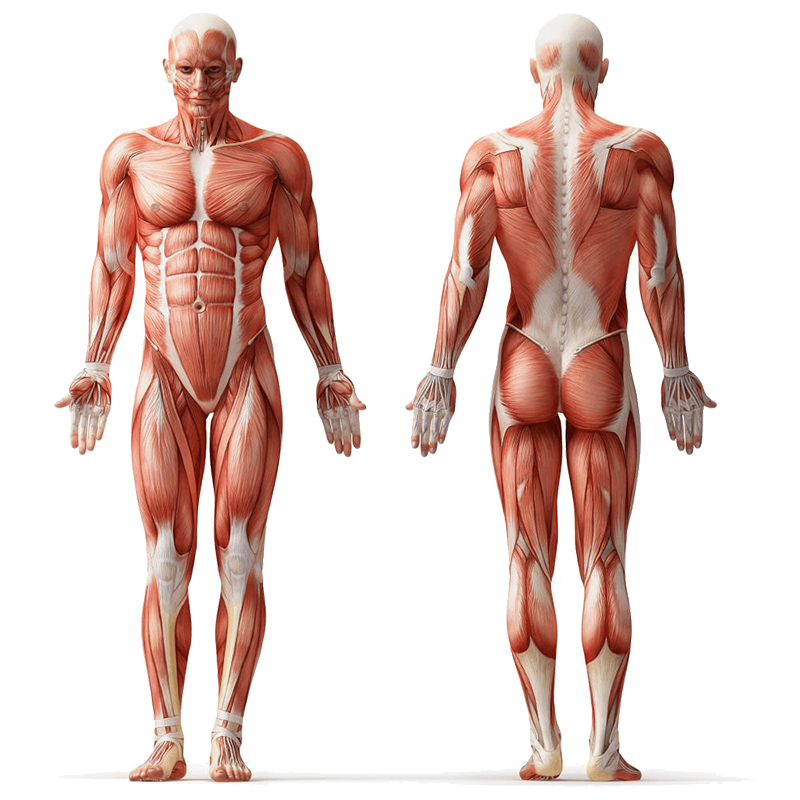
Muscle Anatomy

The Sled 45 Degrees Leg Press is a popular machine-based lower-body exercise designed to build strength in the quadriceps, glutes, hamstrings, and calves. Performed on a 45-degree angled leg press machine, it provides a controlled environment where you can lift heavier weights with less risk compared to free-weight squats. The sled tracks allow smooth movement while supporting your back, making it a beginner-friendly yet highly effective exercise for both strength and muscle development.

This exercise is widely used in gyms because it provides a safe and efficient way to overload the leg muscles. By pressing the sled upward with your legs, you simulate a squat-like movement pattern, but with added stability. This allows individuals to isolate and target their legs without worrying as much about balance or spinal loading. The 45-degree leg press is suitable for beginners learning the basics of leg strength as well as intermediate lifters looking to increase intensity and build muscle mass. It’s also versatile, as foot placement adjustments can emphasize different muscles, such as placing feet higher for glute and hamstring focus, or lower for quad emphasis.

Safety Considerations

While the 45-degree leg press is safer than free squats, safety is still important. Always adjust the machine to fit your body size and use weights that match your strength level. Keep your lower back pressed against the pad to avoid strain. Avoid locking your knees at the top of the movement, as this places unnecessary stress on the joints. Move with slow, controlled motion and do not overload the sled with excessive weight that compromises form.

Note: Consult a fitness professional or healthcare provider if you have pre-existing conditions or experience discomfort during the exercise.

Step-by-Step Instructions

Here’s how to perform the Sled 45 Degrees Leg Press correctly:

  1. Sit in the leg press machine with your back and head firmly supported against the pad.
  2. Place your feet shoulder-width apart on the sled platform, flat and even.
  3. Release the safety handles carefully while keeping your knees slightly bent.
  4. Lower the sled slowly by bending your knees toward your chest.
  5. Descend until your thighs reach about a 90-degree angle or slightly deeper if comfortable.
  6. Push through your heels to extend your legs and return the sled upward, avoiding knee lockout.
  7. Repeat for the desired number of reps, then re-engage the safety handles before finishing.

Tips for Proper Form

Follow these tips to maximize effectiveness and safety:

  • Keep feet flat on the platform throughout the movement.
  • Engage your core to stabilize your torso and protect your spine.
  • Control the descent—don’t let the sled drop quickly.
  • Push through your heels rather than your toes for stronger quad and glute activation.
  • Adjust foot placement to vary emphasis: higher for glutes/hamstrings, lower for quads.
  • Breathe steadily—inhaling as you lower, exhaling as you press upward.

Common Mistakes to Avoid

Be aware of these common mistakes:

  • Locking knees fully at the top, risking joint strain.
  • Lifting hips or lower back off the pad.
  • Using excessive weight that compromises form.
  • Placing feet too low, causing knee stress.
  • Performing shallow reps without full range of motion.
  • Moving too quickly instead of with controlled pace.

Primary Benefits

The Sled 45 Degrees Leg Press provides numerous benefits:

  • Builds quadriceps strength and size.
  • Engages glutes, hamstrings, and calves for complete leg development.
  • Provides a safer alternative to heavy barbell squats.
  • Allows progressive overload with controlled machine support.
  • Improves lower-body power for athletic performance.
  • Helps strengthen legs for functional daily activities.

Regressions

If this exercise feels too difficult, try:

  • Using lighter weights until strength improves.
  • Reducing the range of motion, lowering sled only partway.
  • Performing bodyweight squats for foundational strength.
  • Using leg press with both legs before progressing to single-leg versions.

Progressions

To make the exercise more challenging, try:

  • Adding more weight gradually for progressive overload.
  • Performing single-leg presses for unilateral strength.
  • Slowing down tempo or pausing at the bottom for time under tension.
  • Experimenting with different foot placements for varied muscle emphasis.

Summary

The Sled 45 Degrees Leg Press is a highly effective machine-based exercise for building strength and size in the quads, glutes, hamstrings, and calves. Beginner-friendly yet scalable for intermediates, it provides a safe way to load the legs heavily while minimizing spinal stress. With regressions and progressions available, it can be adapted to different fitness levels, making it a versatile and powerful addition to any lower-body workout routine.

FAQs

Here are common questions about the Sled 45 Degrees Leg Press:

What muscles does the leg press target?

Primarily the quadriceps, but also the glutes, hamstrings, and calves.

Is the leg press safe for beginners?

Yes, it provides guided movement and back support, making it beginner-friendly.

How deep should I go?

Lower until thighs reach about 90 degrees, or slightly deeper if flexibility allows.

Can I replace squats with leg press?

It’s not a direct replacement, but it complements squats by allowing safe heavy leg training.

Should my feet be high or low on the platform?

Higher foot placement targets glutes/hamstrings more, while lower emphasizes quads.

How many reps should I perform?

8–12 reps for muscle growth, 12–15 for endurance, depending on goals.

Disclaimer: It’s important to keep in mind that not all exercises are suitable for everyone. Before trying out a new exercise, it’s crucial to consider factors such as your flexibility, strength, and overall health to determine whether or not the exercise is appropriate for you. Like any exercise, there is inherent danger associated with it and it can potentially cause personal injury. It’s solely the responsibility of the exerciser to bear any injury sustained from the proper or improper use of this exercise. World Fitness.Online and its partners cannot be held liable for any injury that occurs as a result of using this exercise and it’s strongly advised that you seek guidance from a professional healthcare provider before attempting any exercise or exercise program.
Facebook
Twitter
LinkedIn
Scroll to Top