
Sit-Up

Video Demo, Instructions, Proper Form Tips, Common Mistakes, Benefits and FAQs
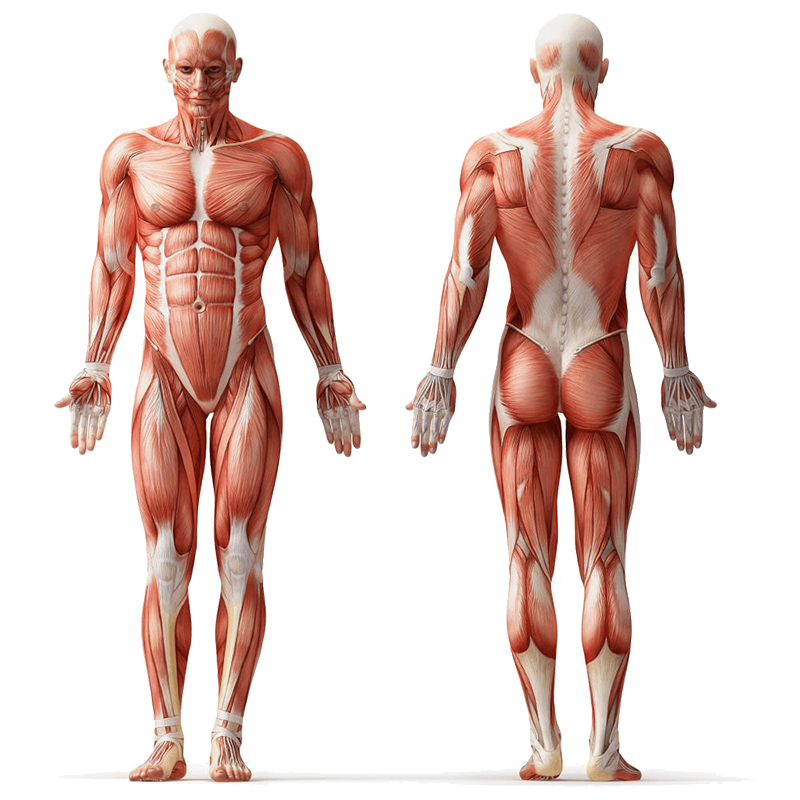
Exercise Profile

Target Muscles:

Abdominals

Secondary Muscles:

Core, Hip Flexors

Exercise Type:

Strength

Equipment:

Bodyweight

Difficulty:

Beginner

Mechanics:

Compound
Muscle Anatomy

The Sit-Up is one of the most well-known bodyweight exercises for strengthening the abdominals and core. Though simple in appearance, it is an effective movement when performed with proper form and control. Sit-ups primarily work the abdominals but also engage the hip flexors and supporting core muscles. They require no equipment beyond a mat or flat surface, making them an accessible choice for beginners and a versatile option for anyone looking to build midsection strength. Unlike crunches, sit-ups involve a full range of motion where the torso rises completely off the ground, allowing for greater activation of abdominal muscles and hip flexors.

Because of their accessibility, sit-ups are often one of the first exercises people learn when starting core training. They help build a foundation of strength and stability in the trunk, which can improve posture, athletic performance, and daily functional movement. Despite being simple, sit-ups should be done with proper technique to avoid straining the lower back or neck. For this reason, beginners benefit from learning how to engage the abdominals properly and control the movement instead of relying on momentum.

Safety Considerations

Like any exercise, sit-ups should be performed with attention to form and safety. Always lie on a comfortable mat or padded surface to protect the spine. Keep feet anchored either by tucking under a stable surface or using a partner if needed, but avoid pulling on the neck or head to lift yourself. If you experience discomfort in the lower back, consider switching to crunches or reducing the range of motion. People with spinal issues, hernias, or hip flexor strains should consult a professional before performing sit-ups.

Note: Consult a fitness professional or healthcare provider if you have pre-existing conditions or experience discomfort during the exercise.

Step-by-Step Instructions

Here’s how to correctly perform the Sit-Up:

  1. Lie flat on your back with knees bent and feet flat on the floor, hip-width apart.
  2. Place your hands lightly behind your ears or crossed over your chest. Avoid pulling on your neck.
  3. Engage your core by tightening your abdominal muscles.
  4. Slowly lift your torso off the ground, curling upward until your chest comes close to your thighs.
  5. Pause briefly at the top position, feeling the contraction in your abs.
  6. Lower yourself back down with control until your shoulders and back rest on the mat.
  7. Repeat for the desired number of repetitions.

Tips for Proper Form

Follow these tips to maximize effectiveness and safety:

  • Focus on engaging the abdominals rather than using momentum.
  • Exhale as you rise up, inhale as you lower down.
  • Keep feet firmly on the floor and knees bent at all times.
  • Do not yank your neck or head forward—let your abs do the work.
  • Perform each rep slowly and with control.
  • Stop immediately if you feel sharp pain in the lower back.

Common Mistakes to Avoid

Watch out for these errors when performing sit-ups:

  • Using momentum by jerking the torso up quickly.
  • Puling on the neck or head with hands.
  • Lifting feet or legs off the ground instead of keeping them stable.
  • Arching or straining the lower back excessively.
  • Not engaging core muscles properly.
  • Performing reps too quickly without full control.

Primary Benefits

Sit-ups offer several important benefits:

  • Strengthen the abdominal muscles effectively.
  • Engage the hip flexors for additional stability.
  • Improve core endurance and stability.
  • Support posture by strengthening trunk muscles.
  • Increase athletic performance by stabilizing the torso.
  • Require no equipment, making them highly accessible anywhere.

Regressions

If sit-ups are too difficult, try these regressions:

  • Perform crunches instead, with a smaller range of motion.
  • Anchor feet under a support for stability.
  • Use a decline bench with slight support to reduce difficulty.
  • Place hands on thighs and slide upward instead of lifting fully.

Progressions

To increase the difficulty, try these progressions:

  • Hold a weight plate or medicine ball on the chest.
  • Perform decline sit-ups on a bench.
  • Lift arms straight overhead during sit-ups for added challenge.
  • Slow down tempo or pause at the top for increased time under tension.

Summary

The Sit-Up is a classic bodyweight exercise that strengthens the abdominals and core while also engaging the hip flexors. Beginner-friendly and accessible anywhere, sit-ups are valuable for building foundational core strength, improving posture, and enhancing performance. When done with proper form, they are safe and effective, though regressions and progressions allow for adaptability at different levels.

FAQs

Here are common questions about Sit-Ups:

What muscles do sit-ups work?

They primarily target the abdominals, with assistance from hip flexors and core stabilizers.

Are sit-ups safe for beginners?

Yes, but beginners should perform them slowly and carefully to avoid strain.

How many sit-ups should I do?

Start with 10–15 reps for 2–3 sets, increasing as endurance improves.

Do sit-ups burn belly fat?

No exercise specifically burns fat in one area, but sit-ups help strengthen core muscles underneath.

What’s the difference between sit-ups and crunches?

Sit-ups use a full range of motion and engage hip flexors, while crunches involve only partial torso lift focusing more on abs.

Can I do sit-ups daily?

It’s best to allow rest for muscles, so 3–4 times a week is usually enough depending on fitness goals.

Disclaimer: It’s important to keep in mind that not all exercises are suitable for everyone. Before trying out a new exercise, it’s crucial to consider factors such as your flexibility, strength, and overall health to determine whether or not the exercise is appropriate for you. Like any exercise, there is inherent danger associated with it and it can potentially cause personal injury. It’s solely the responsibility of the exerciser to bear any injury sustained from the proper or improper use of this exercise. World Fitness.Online and its partners cannot be held liable for any injury that occurs as a result of using this exercise and it’s strongly advised that you seek guidance from a professional healthcare provider before attempting any exercise or exercise program.
Facebook
Twitter
LinkedIn
Scroll to Top