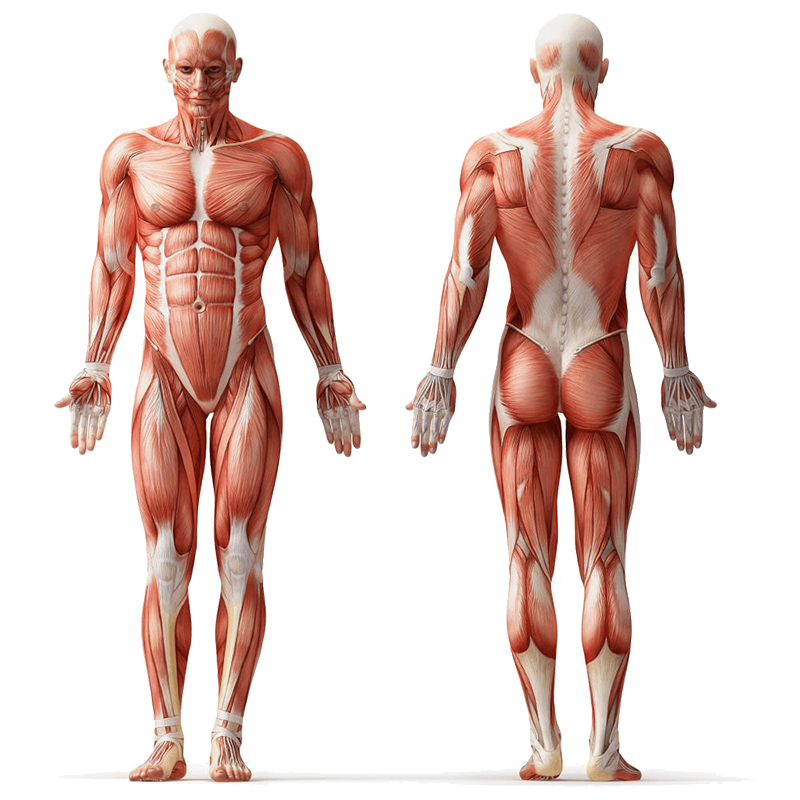
The Side Lying Clam (a.k.a. clamshell) is a simple isolation strength drill that teaches your hips to externally rotate while keeping your trunk steady. Performed on your side with knees bent and feet together, you open the top knee like a clam shell without letting your pelvis roll. This small motion targets the Hips, especially the Glutes with emphasis on the gluteus medius and gluteus minimus, while the Core and Obliques help stabilize your torso.
Many people add a small loop band above the knees, but you can master it with bodyweight first. It suits beginners through intermediates who want to build better hip stability for walking, running, and lower body lifts, and it is widely used in rehab and warm ups for its focused activation and joint friendly range of motion. Research shows clamshell variations can meaningfully activate the hip rotators and glute muscles when performed with strict form, making it a handy choice early in a strengthening plan.
Safety Considerations
Before you start, set yourself up for success with a calm, stable position and a range of motion that your hips control without your spine helping.
- Choose a firm surface so your spine stays neutral and your pelvis does not sink.
- Support your head with your bottom arm or a small pillow so your neck stays relaxed.
- Stack hips and shoulders, keep knees slightly in front of your body, and brace the Core gently.
- Move only as far as you can keep your pelvis from rolling backward. Quality beats height.
- If adding a mini band, start with light resistance and progress gradually as reps become easy.
- Stop if you feel pinching at the front of the hip; reduce range, slow down, or try a lighter band.
Note: Consult a fitness professional or healthcare provider if you have pre-existing conditions or experience discomfort during the exercise.
Step-by-Step Instructions
Follow these clear cues to feel your Glutes, not your lower back or hip flexors.
- Lie on your side with your head supported and your body in a straight line. Bend both knees to about 90 degrees with your thighs angled slightly forward from your torso. Stack hips and shoulders, and keep your feet together.
- Gently brace your Core and lightly press your bottom side into the floor to keep the pelvis stable. Place your top hand on the floor in front of your chest for balance.
- Keeping heels together, slowly open your top knee by rotating at the hip. Think about pulling the knee up and back a touch without letting your pelvis roll behind you.
- Pause when you feel your Glutes working and before your pelvis starts to tip. Breathe out during the opening phase and keep your ribs relaxed.
- Lower the knee under control until the knees touch. Breathe in and keep tension in your Core so your pelvis stays stacked.
- Perform 10 to 20 smooth reps. Switch sides and repeat. If you use a mini band, place it just above the knees and maintain the same slow tempo.
Tips for Proper Form
These small adjustments make the clam far more effective.
- Imagine your hips are in a plaster cast. If your pelvis rolls even slightly, reduce your range or slow down.
- Lead with the knee, not the foot. Keep heels lightly pressed together to cue true hip external rotation.
- Keep your Core and Obliques braced so your lower back does not arch as the knee opens.
- Think slow up, slower down. A 2 to 3 second lower increases time under tension and control.
- Place a yoga block, wall, or foam roller behind your back to give instant feedback if you start to roll.
- If you feel the front of your hip more than your Glutes, decrease your range, add a small forward hip roll to neutral, or try a lighter band to reduce hip flexor dominance.
- Once you reach 15 to 20 bodyweight reps with perfect control, add a mini band to keep progressing.
Common Mistakes to Avoid
Watch out for these form spoilers so the right muscles do the work.
- Rolling the pelvis backward to fake a bigger range. Keep hips stacked and reduce motion if needed.
- Letting the feet separate. Keep heels together to stay in external rotation.
- Rushing the reps and using momentum. Control the open and close for best muscle activation.
- Cranking the neck or shrugging the shoulders. Support the head and keep shoulders relaxed.
- Using a band that is too heavy, which shifts load to the hip flexors or lower back. Start light and progress.
- Flaring the ribs or arching the low back. Keep a quiet trunk with steady breathing.
Primary Benefits
The clam is small but mighty for building stable, resilient hips.
- Targets the Glutes, especially the gluteus medius and minimus, which aid pelvic control during single-leg tasks.
- Supports knee and ankle alignment by improving lateral hip strength for gait and running.
- Joint friendly option for beginners and in early rehab phases due to the short lever and stable setup.
- Improves mind muscle connection in the hips, building awareness that transfers to squats, lunges, and deadlifts.
- Core engagement and side lying stability challenge the Obliques and deep abdominal muscles in a subtle way.
- Scalable with bands, tempo, and holds so you can progress without changing equipment.
Regressions
If you are new to the movement or recovering from injury, start here.
- Bodyweight only clam with very small range and a slow 2 second pause at the top.
- Wall supported clam: rest your back lightly against a wall to prevent rolling.
- Pillow supported clam: place a small pillow between knees and open only to light pressure.
- Short lever clam: bring knees closer to your chest to shorten the lever arm.
- Assisted clam: hold your top hip with your hand to feel for and limit pelvic rotation.
- Reduced reps and more sets, such as 3 sets of 6 to 8 smooth reps per side.
Progressions
When basic reps feel easy and crisp, increase the challenge.
- Mini band clam: loop a light to moderate band just above the knees.
- Tempo clam: 3 seconds up, 3 seconds down, 2 second hold at the top.
- Feet elevated clam: rest feet on a pad to increase the demand on the Glutes.
- Side plank clam: combine a modified side plank with the clamshell for added Core and hip challenge.
- Long hold iso at top position for 10 to 20 seconds each rep.
- High rep banded sets, such as 2 sets of 20 to 30 controlled reps for endurance.
Summary
The Side Lying Clam, also known as the clamshell, is a focused isolation exercise that teaches solid hip external rotation while your trunk stays quiet. With a side lying setup, stacked hips, and heels together, you will feel the Glutes do the work without stress on the spine. Keep the range modest, breathe steadily, and add a mini band only after you own the movement. Use regressions to learn control, progressions to build strength and endurance, and expect better pelvic control that carries over to daily life and lower body training.
FAQs
Here are quick answers to common questions so you can train confidently.
What muscles does the Side Lying Clam work most?
Primarily the Glutes, especially gluteus medius and gluteus minimus for hip external rotation and pelvic stability. The Core and Obliques help stabilize.
Where should I feel it?
On the outside and back of the top hip. If you feel the front of the hip, reduce your range, slow down, or lighten the band.
How many reps and sets are best?
Start with 2 to 3 sets of 10 to 15 slow reps per side. When that feels easy with great form, add a light band or increase reps.
Is the clamshell enough for glute strength?
It is a useful early or accessory drill. As you advance, pair it with compound moves like squats, deadlifts, lunges, and band walks for fuller development.
Should I use a resistance band?
Bands make the clam more challenging. Start bodyweight, then add a light loop band above the knees once you can perform 15 to 20 clean reps.
What if I keep rolling backward?
Place your back near a wall or foam roller, shorten your range, and focus on slow control. You can also try a modified side plank clam to build stability.