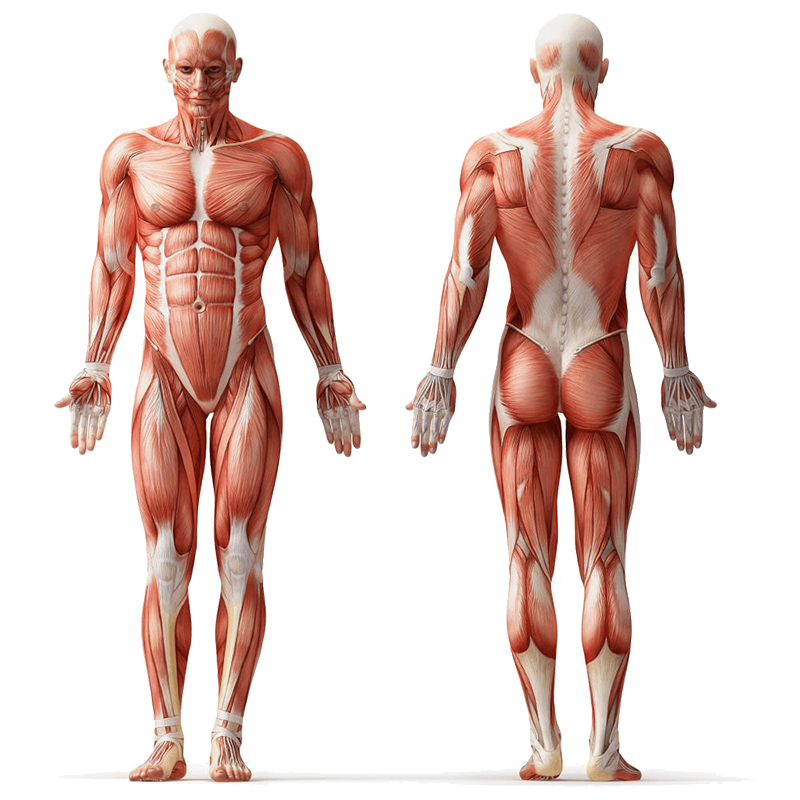
The Russian Twist (a.k.a. seated oblique twist) is a seated core exercise that blends strength and control with a rotational challenge. You sit with your torso slightly reclined, brace your midsection, and rotate your ribcage from side to side while keeping the hips still. This movement is a core focused, strength based drill with an isolation feel for the Obliques and Abdominals, yet it also recruits the Hip Flexors and deep Core to stabilize your spine.
You can keep it simple with bodyweight or add a light medicine ball, dumbbell, or weight plate for extra resistance. Most lifters and athletes use it as an accessory to build rotational control, and beginners can learn it with careful setup and small ranges. The standout feature of the Russian Twist is how it teaches your trunk to resist unwanted motion while producing smooth rotation through the upper body, which can transfer to sports and daily tasks like lifting, reaching, and turning.
Safety Considerations
Set yourself up to challenge the core without irritating the lower back. A few smart choices make a big difference.
- Choose a mat or firm surface so you do not sink and round the lower back. Sit tall through the chest before you begin.
- Aim for a neutral spine. Think long from tailbone to crown rather than slumping. The rotation should come from the ribs and upper back, not from cranking the lower back.
- Keep the range of motion modest at first. Touching the weight to the floor is optional and not required for results.
- If you feel pressure in the front of the hips, place the heels on the floor and reduce how far you lean back. Hip flexors can dominate if the angle is too steep.
- Use light resistance. Form quality matters more than load. Increase difficulty with tempo and time under tension before adding weight.
- If you have a history of lower back pain or disc issues, swap in anti rotation drills like the Pallof press or dead bug until a professional clears you.
Note: Consult a fitness professional or healthcare provider if you have pre-existing conditions or experience discomfort during the exercise.
Step-by-Step Instructions
Follow these steps to feel your Obliques and avoid strain on your lower back or neck.
- Sit on the floor with knees bent and feet hip width. Place heels lightly on the ground to start. Sit tall and hinge back a few inches until you feel your Abdominals engage, keeping the chest open and shoulders relaxed.
- Brace your Core as if preparing for a gentle poke. Imagine zipping the ribs down. Hold your hands together at chest height or grasp a light medicine ball or small dumbbell close to your sternum.
- Inhale to prepare. As you exhale, rotate your ribcage to one side by driving the shoulder on that side back. Keep elbows bent and the weight near your body. Hips stay square, and your lower back remains long.
- Pause briefly when you feel the Obliques engage. Avoid collapsing or leaning further back to chase range. Keep the neck neutral with your gaze moving naturally with the torso.
- Inhale as you return to center under control. Exhale as you rotate to the other side with the same tight posture, letting the upper back lead while the pelvis stays still.
- Repeat for 10 to 16 slow reps total. When your form stays crisp and you no longer feel the hip flexors taking over, you can hover the feet an inch off the floor or hold a slightly heavier weight.
Tips for Proper Form
Small details decide whether you feel the Obliques or just your hip flexors and lower back.
- Maintain a tall chest and long spine. If you round, sit up a touch and reset the brace before continuing.
- Rotate the torso, not just the hands. The shoulders should turn with the ribcage while the hips resist movement.
- Keep the weight close to the body, especially when learning. Arms straight and wide increase strain without adding useful tension.
- Breathe with rhythm. Exhale on each rotation to reinforce abdominal bracing and reduce neck tension.
- Use a shallow lean. More lean is not always better. The best angle is the one that loads the abs without hip pinching.
- If the lower back talks, plant the heels and shorten the range. You can also squeeze a small ball or yoga block between the knees to limit pelvic motion.
- Move slowly and avoid bouncing the weight off the floor. Time under tension builds control and reduces the impulse to compensate.
Common Mistakes to Avoid
Avoid these pitfalls to keep the exercise effective and joint friendly.
- Cranking through the lower back. Rotation should come mostly from the upper torso. Keep the lumbar region quiet.
- Rounding the spine. Slumping shifts work away from the Abdominals and can irritate the back. Sit tall throughout.
- Chasing floor taps. Forcing the weight to the ground encourages excessive range and momentum. Quality beats reach.
- Letting the hips swing. If your knees sway side to side, squeeze the thighs gently together and reduce range.
- Holding the breath. Use steady exhales on the twist to cue bracing and keep tension where you want it.
- Starting with heavy loads. Master bodyweight and tempo first to build awareness and endurance safely.
Primary Benefits
The Russian Twist can help you build a strong, coordinated core when done with control.
- Targets the Obliques for rotational strength and better trunk control.
- Improves Core endurance that supports posture during long days of sitting and standing.
- Enhances ribcage mobility and upper back movement when paired with a neutral lower back.
- Develops anti rotation strength, since the hips resist motion while the torso turns.
- Offers scalable options, from bodyweight sets to light external loads, tempo work, and pauses.
- Translates to sports and activities that involve turning, bracing, and transferring force through the trunk.
Regressions
If you are new to twisting work or managing back sensitivity, start with these gentler choices.
- Heels down Russian Twist with very small range and hands at the chest.
- Arms crossed over the chest to keep the weight close and reduce leverage.
- Iso hold at center. Lean slightly, brace, and hold for 10 to 20 seconds to groove the position without rotation.
- Side to side reach with no torso turn. Keep the chest forward and simply reach hands a few inches to each side to build endurance.
- Dead bug or Pallof press as preparatory drills to reinforce spinal stability before adding rotation.
- Short sets such as 2 sets of 8 reps, focusing on perfect control and smooth breathing.
Progressions
When technique is solid and you want more challenge, try these progressions.
- Light medicine ball or dumbbell held at the chest for added resistance.
- Arms extended slightly forward to increase the lever once control is reliable.
- Feet hover. Lift the heels an inch off the floor without letting the knees swing.
- Pause at each end range for 2 to 3 seconds to build anti rotation strength.
- Tempo sets, such as 3 seconds to rotate, 1 second pause, 3 seconds back to center.
- Cable or band seated twists at chest height to provide constant tension with a spine friendly path.
Summary
The Russian Twist is a core strength exercise that spotlights the Obliques while training the hips and spine to stay stable. Keep the chest tall, rotate the ribcage rather than the lower back, and move slowly so the right muscles do the work. Begin with heels down and small ranges, then progress with tempo, pauses, and light loading. With mindful execution, you will build rotational control that helps your lifts, your sport, and everyday movement.
FAQs
Use these quick answers to set expectations and dial in your routine.
What muscles does the Russian Twist target most?
Primarily the Obliques and Abdominals. The Hip Flexors and deep Core assist to hold your position, and the upper back helps guide the rotation.
Should my feet be on the floor or lifted?
Start with heels down for better control. Lift the feet only after you can keep the hips steady and the spine long without strain.
How far should I rotate?
Rotate just until you feel the Obliques engage while the pelvis stays still. Touching the floor is not necessary. Quality rotation beats large range.
What weight should I use?
Use bodyweight first. When 12 to 16 controlled reps feel solid, add a light medicine ball or dumbbell and keep the weight close to your chest.
Is the Russian Twist safe for a sensitive lower back?
It can be, but only with strict form and small ranges. If you have a history of back pain, use alternatives like the Pallof press or dead bug and seek professional guidance.
Where does it fit in a workout?
Place it in a core circuit or after main lifts. Aim for 2 to 3 sets of 10 to 16 controlled reps, two or three times per week, leaving one or two reps in reserve.