
Resistance Band Incline Fly
Video Demo, Instructions, Proper Form Tips, Common Mistakes, Benefits and FAQs
Video Demo, Instructions, Proper Form Tips, Common Mistakes, Benefits and FAQs
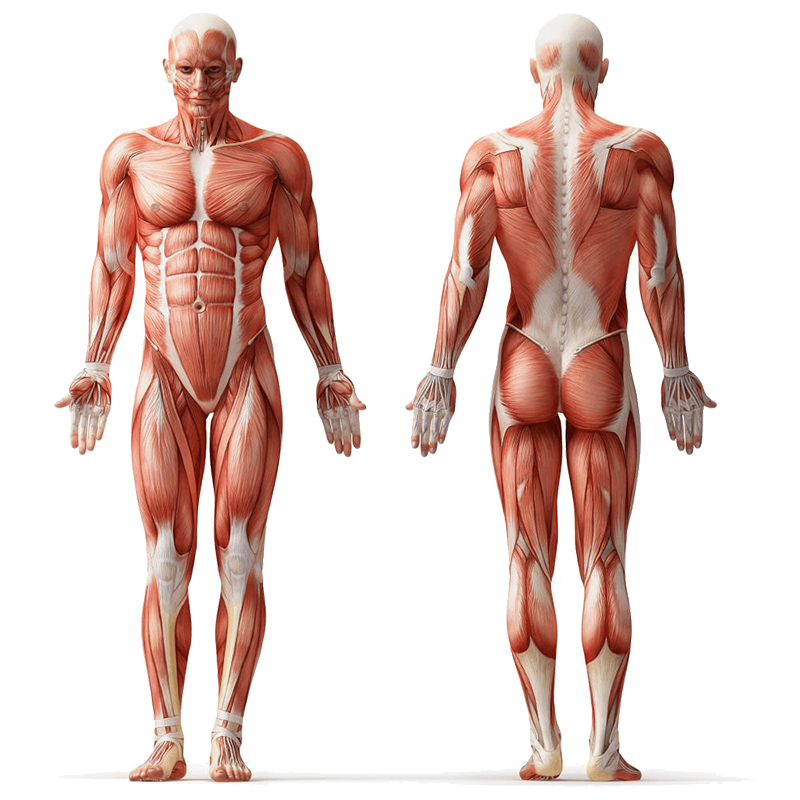
The Resistance Band Incline Fly, also known as the Incline Band Chest Fly, is an isolation exercise that primarily targets the clavicular head of the pectoralis major (upper chest), while also engaging the anterior deltoids (front shoulders) and biceps brachii (front of the upper arms). This exercise utilizes resistance bands to mimic the traditional incline dumbbell fly movement, offering a versatile and portable option for upper chest development. Suitable for individuals ranging from beginner to intermediate fitness levels, the Resistance Band Incline Fly requires minimal equipment and can be performed in various settings, making it an excellent addition to any strength training routine.
By adjusting the angle of the movement to an incline, this exercise emphasizes the upper portion of the chest muscles, promoting balanced chest development and improved aesthetics. Incorporating resistance bands provides continuous tension throughout the range of motion, enhancing muscle activation and growth. Additionally, the Resistance Band Incline Fly can improve shoulder stability and function, contributing to better posture and reduced risk of injuries.
Before attempting this exercise, it's essential to ensure proper setup and technique to maximize benefits and prevent potential strain. A thorough warm-up focusing on the chest, shoulders, and arms is recommended to prepare the muscles and joints for the movement. Prioritizing correct form over resistance level will lead to more effective results and a safer exercise experience.
Note: Consult a fitness professional or healthcare provider if you have pre-existing conditions or experience discomfort during the exercise.
To perform the Resistance Band Incline Fly effectively, follow these detailed steps:
Maintaining proper form is crucial for maximizing the benefits and minimizing injury risk. Here are key tips:
Even with proper guidance, certain mistakes can occur, impacting the exercise's effectiveness and safety. Here are common errors, their implications, and solutions:
The Resistance Band Incline Fly offers numerous advantages, enhancing both physical and mental well-being. Here are key benefits:
The Resistance Band Incline Fly is an effective isolation exercise that targets the upper chest, enhances shoulder stability, and offers versatility for various fitness levels. Incorporating this exercise into your routine can lead to balanced chest development and improved overall upper body strength. Prioritizing proper form and controlled movements will maximize benefits and minimize injury risk.
Incorporate this exercise into your upper body or chest workouts 1-2 times per week, allowing adequate rest between sessions for muscle recovery.
Yes, beginners can perform this exercise by selecting a resistance band with appropriate tension and focusing on mastering proper form before increasing intensity.
If an adjustable bench is unavailable, you can perform the exercise on a stable surface set at an incline or modify the movement to a standing position with the bands anchored low, simulating the incline angle.
Aim for 2-3 sets of 10-15 repetitions, adjusting based on your fitness level and goals.
Yes, the Resistance Band Incline Fly offers a similar movement pattern with constant tension, making it a viable alternative to incline dumbbell flies, especially for those without access to free weights.
The anterior deltoids and biceps assist in stabilizing and controlling the movement, contributing to overall upper body strength.