
Resistance Band Duck Walk

Video Demo, Instructions, Proper Form Tips, Common Mistakes, Benefits and FAQs
Exercise Profile

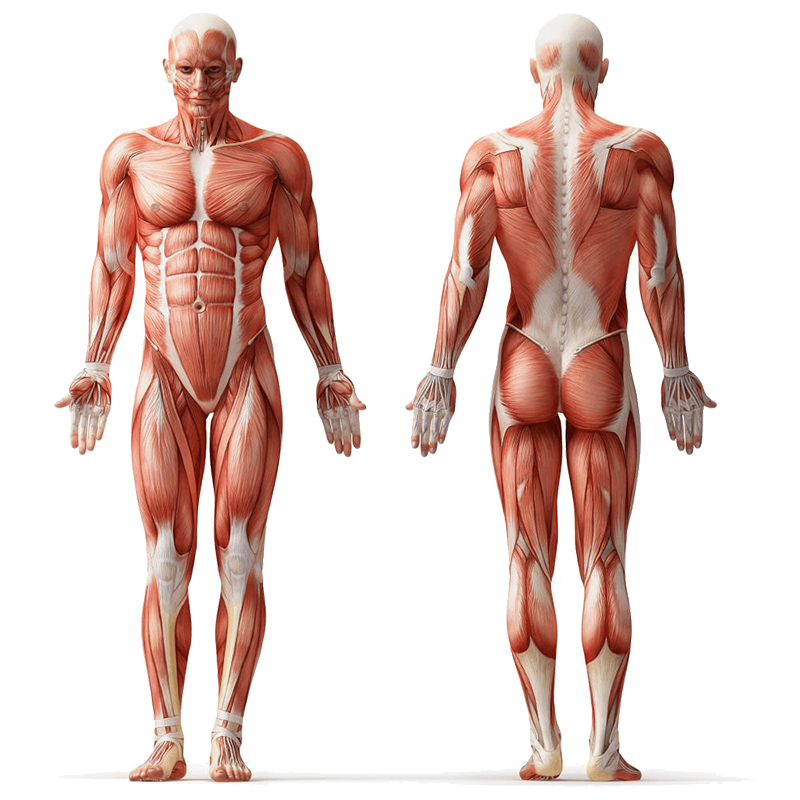
Target Muscles:

Glutes, Quadriceps

Secondary Muscles:

Hamstring, Hip Flexors, Core

Exercise Type:

Strength, Agility

Equipment:

Resistance Band/Tube, Bodyweight

Difficulty:

Intermediate

Mechanics:

Compound
Muscle Anatomy

The Resistance Band Duck Walk is a challenging lower-body exercise that strengthens the glutes, quads, and hips while also improving mobility, stability, and endurance. By combining a squat position with forward or backward steps against the resistance of a band, this exercise provides continuous tension on the muscles. The duck walk is not only effective for building strength but also for activating muscles before heavier lifts, making it a favorite for athletes and fitness enthusiasts who want to maximize performance.

Unlike simple squats, the duck walk keeps the muscles engaged for an extended period of time. The resistance band adds another layer of intensity by forcing the glutes and hips to stay activated throughout the movement. This makes it excellent for improving lower-body endurance, correcting imbalances, and increasing time under tension for muscle growth. It also challenges coordination and balance, making it a functional movement that translates well into sports and daily activities.

Safety Considerations

Perform the exercise on a non-slip surface and make sure the resistance band is of good quality to avoid snapping. Keep your chest upright and core engaged to prevent strain on the lower back. Avoid letting your knees collapse inward while stepping, as this reduces effectiveness and may cause joint stress. Beginners should start with shorter walks and lighter bands to master form before progressing.

Note: Consult a fitness professional or healthcare provider if you have pre-existing conditions or experience discomfort during the exercise.

Step-by-Step Instructions

Here’s how to perform the Resistance Band Duck Walk:

  1. Loop a resistance band around your thighs just above your knees.
  2. Stand with feet hip-width apart, engage your core, and lower into a squat position.
  3. Keep chest lifted and back straight as you hold the squat.
  4. Step one foot forward while maintaining tension in the band.
  5. Follow with the other foot, keeping knees pushed outward slightly against the band.
  6. Continue walking forward for a set distance, then reverse direction to walk backward.
  7. Stay low in the squat throughout the movement for maximum muscle activation.

Tips for Proper Form

Follow these tips to get the most out of the duck walk:

  • Keep knees aligned with toes—avoid letting them collapse inward.
  • Stay low in the squat without letting hips rise too high.
  • Take small, controlled steps rather than large strides.
  • Engage your glutes with every step to keep tension constant.
  • Breathe steadily—inhale on each step, exhale as you stabilize.
  • Choose a resistance band that challenges you but allows proper form.

Common Mistakes to Avoid

Avoid these common errors when performing duck walks:

  • Standing up too tall and losing squat tension.
  • Letting the resistance band slack between steps.
  • Taking overly large or rushed steps.
  • Allowing knees to cave inward instead of pushing out.
  • Leaning excessively forward with the torso.
  • Using too heavy a band and compromising form.

Primary Benefits

The Resistance Band Duck Walk offers multiple benefits:

  • Strengthens glutes, quads, hamstrings, and hips.
  • Improves lower-body endurance and stamina.
  • Enhances hip mobility and joint stability.
  • Provides excellent glute activation before heavy lifts.
  • Challenges coordination and balance.
  • Low-impact but highly effective for muscle engagement.

Regressions

If too difficult, try:

  • Performing bodyweight duck walks without a resistance band.
  • Using a lighter band for less resistance.
  • Reducing walking distance and staying in place with small steps.
  • Performing static squat holds instead of walking.

Progressions

To make it harder, try:

  • Using a heavier resistance band.
  • Walking longer distances or performing more sets.
  • Adding side-to-side steps for lateral glute engagement.
  • Holding weights (like a dumbbell or kettlebell) in front for extra challenge.

Summary

The Resistance Band Duck Walk is an intermediate-level lower-body exercise that targets the glutes, quads, and hips while also engaging hamstrings and core for stability. By combining the squat position with band resistance, it ensures constant muscle activation and endurance building. With regressions and progressions available, it’s adaptable for all levels, making it an excellent choice for athletes and fitness enthusiasts alike.

FAQs

Here are common questions about the Resistance Band Duck Walk:

What muscles does it target?

Mainly the glutes and quads, with support from hamstrings, hips, and core.

Is it beginner-friendly?

It can be, but beginners should start with bodyweight-only or lighter bands.

How far should I walk?

Start with 5–10 steps forward and backward, increasing as you build endurance.

Can I use it as a warm-up?

Yes, it’s excellent for activating glutes and hips before heavy lower-body training.

Does it help with knee stability?

Yes, by strengthening glutes and hips, it helps support proper knee alignment.

What equipment is required?

A resistance band and a flat, non-slip surface are all that’s needed.

Disclaimer: It’s important to keep in mind that not all exercises are suitable for everyone. Before trying out a new exercise, it’s crucial to consider factors such as your flexibility, strength, and overall health to determine whether or not the exercise is appropriate for you. Like any exercise, there is inherent danger associated with it and it can potentially cause personal injury. It’s solely the responsibility of the exerciser to bear any injury sustained from the proper or improper use of this exercise. World Fitness.Online and its partners cannot be held liable for any injury that occurs as a result of using this exercise and it’s strongly advised that you seek guidance from a professional healthcare provider before attempting any exercise or exercise program.
Facebook
Twitter
LinkedIn
Scroll to Top