
Resistance Band Bulgarian Split Squat
Video Demo, Instructions, Proper Form Tips, Common Mistakes, Benefits and FAQs
Video Demo, Instructions, Proper Form Tips, Common Mistakes, Benefits and FAQs
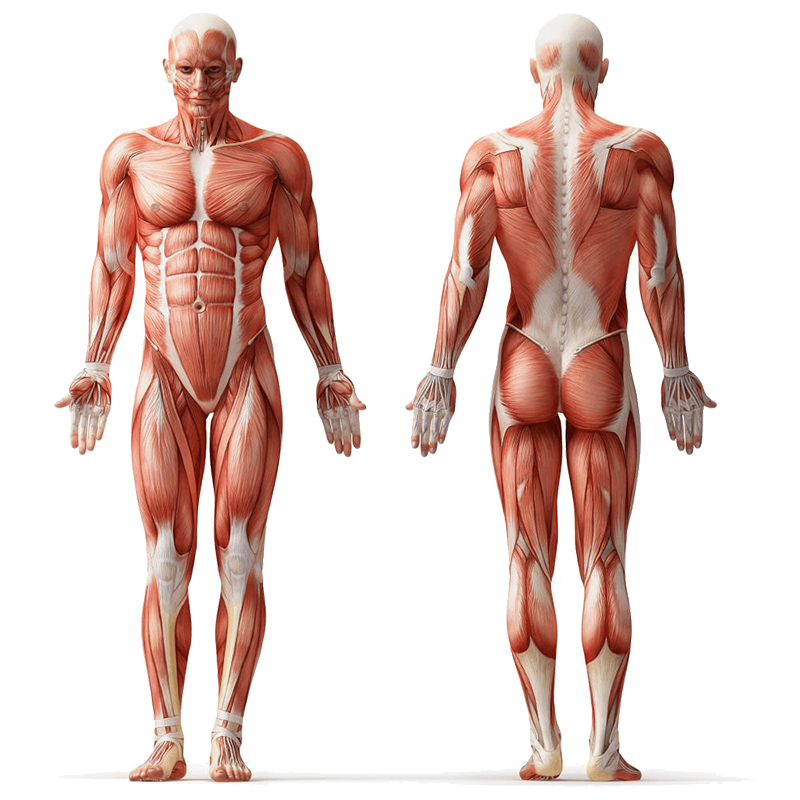
Resistance Band Bulgarian Split Squat—also known as banded Bulgarian split squat—is a compound unilateral leg exercise that uses a resistance band and elevated rear foot to engage the quadriceps (frontal thighs) and glutes (butt muscles), while hamstrings, adductors, calves, and core muscles assist for balance and control. With just a resistance band and a bench or box, it’s accessible to beginners yet scalable for intermediate levels. The added band resistance provides smooth tension through the concentric phase, making each rep feel controlled and focused.
Use a high-quality band that won’t snap or roll. Anchor the band under your front foot securely. Warm up your quads, glutes, hips, and core before starting. Choose a bench or platform at knee‑height, stable and non‑slippery. Position your front foot far enough forward that your knee stays in line with your ankle. Keep torso upright, core braced, and step slowly. Stop if you feel knee or hip pain. Note: Consult a fitness professional if you have existing joint or balance issues before attempting this exercise.
Use the following steps to perform the resistance band version safely and effectively:
Keep these key cues in mind:
A few common pitfalls and how to avoid them:
This variation brings multiple advantages:
Not ready for full range? Try these:
Ready for more challenge? Try these progressions:
Resistance Band Bulgarian Split Squat is a powerful unilateral compound exercise targeting the quads and glutes while enhancing balance, coordination, and mobility. The band provides smooth, joint‑friendly resistance, making it well‑suited for beginner to intermediate fitness levels. Focus on alignment, control, and consistent tension for maximum benefit and injury prevention.
You can perform a regular split squat without rear elevation if a bench isn’t available—but the elevated version increases range and activation.
Either over your chest/front delts or held in your hands at shoulder level works—just ensure it’s placed securely under your front foot.
Start with 3 sets of 8–12 reps per side. Adjust reps or band resistance based on your strength and endurance level.
Yes—the band offers smooth resistance, and rear foot elevation reduces stress on the front knee when aligned properly.
Always complete all reps on one side before switching—this ensures equal loading and development.
Once you can do bodyweight and banded versions with perfect form, you can progress by increasing band tension or adding handheld weights.