
Push‑Up Shoulder Tap
Video Demo, Instructions, Proper Form Tips, Common Mistakes, Benefits and FAQs
Video Demo, Instructions, Proper Form Tips, Common Mistakes, Benefits and FAQs
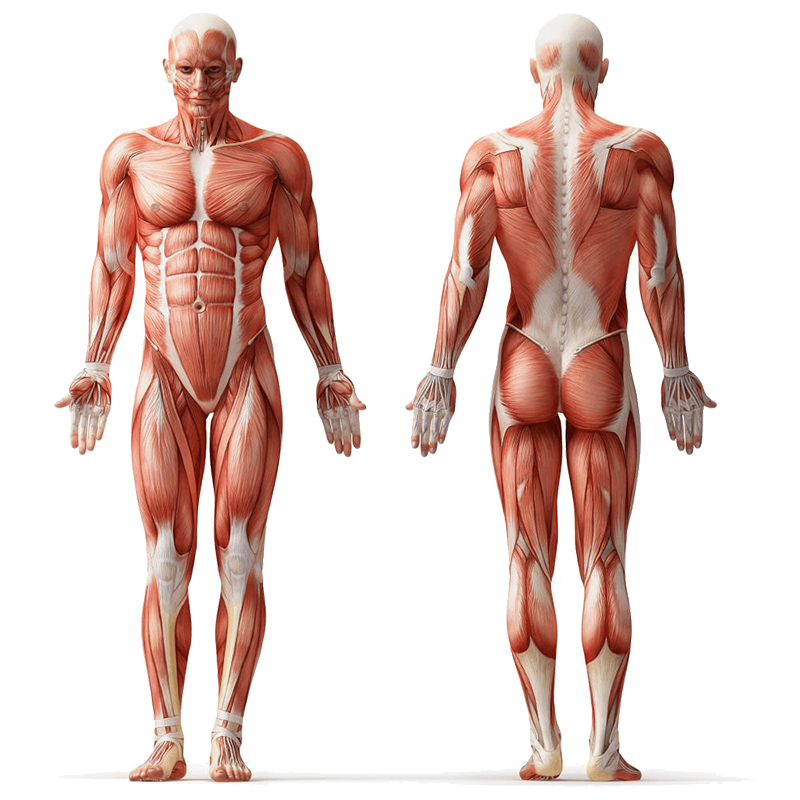
Push‑Up Shoulder Tap (also known as shoulder tap push‑ups) is an intermediate‑level strength move blending a classic push‑up with an added stability challenge. This compound (multi‑joint) exercise works the chest, triceps and front shoulders while requiring high core engagement to prevent trunk rotation. As you press up, lifting one hand to tap the opposite shoulder forces deep activation in the transverse abdominis and rectus abdominis (commonly called abs), and recruits serratus anterior and glute muscles to stabilize. With no equipment needed—just your body—it’s great for those comfortable with standard push‑ups looking for more of a core and shoulder endurance boost.
Ensure you have a stable flat surface and enough space to extend fully. Warm up wrists, shoulders, and your core beforehand. Maintain a neutral spine and head, avoiding neck strain. Stop if you feel sharp shoulder pain—this motion places stress on rotator cuff and scapular stabilisers. Adjust by performing on knees or reducing tap range if your core or shoulder strength is not ready.
Note: Consult a fitness professional or healthcare provider if you have pre‑existing conditions or experience discomfort during the exercise.
Follow these steps to execute safely and effectively:
Keep these helpful cues in mind:
Watch out for these common errors:
Here’s why this exercise is so effective:
If this is too advanced at first, try these easier options:
For more advanced training options:
Push‑Up Shoulder Tap is a dynamic and effective compound bodyweight move that combines a classic push‑up with a unilateral stability challenge. It strengthens the chest, triceps and front shoulders while demanding high core engagement to avoid rotation. With proper form, it improves balance, shoulder health and functional strength—all with no equipment required. Aim to progress safely and prioritize form over speed for best results.
This exercise works the pectoralis major (chest), triceps brachii (upper arms), and anterior deltoids (front shoulders) as primary movers, while engaging the abs, serratus anterior, obliques, glutes and lower‑back stabilisers for control.
Avoid if you’re experiencing shoulder pain or instability, especially rotator cuff issues; consider beginning with modified versions first.
Start with 2–3 sets of 6–8 reps (each rep includes two taps) and rest between sets; focus on form and increase volume gradually.
Yes! Works really well in HIIT or core circuits as a high‑stability burn move between strength exercises.
The shoulder tap forces unilateral weight support, challenging anti‑rotation core strength and discovering side‑to‑side imbalances—adding functional control beyond straight push‑ups.
Progress once you can maintain perfect form, control each tap without swaying, and complete reps comfortably—then try feet elevated or reach‑unders.