
Pseudo Planche Push-Up

Video Demo, Instructions, Proper Form Tips, Common Mistakes, Benefits and FAQs
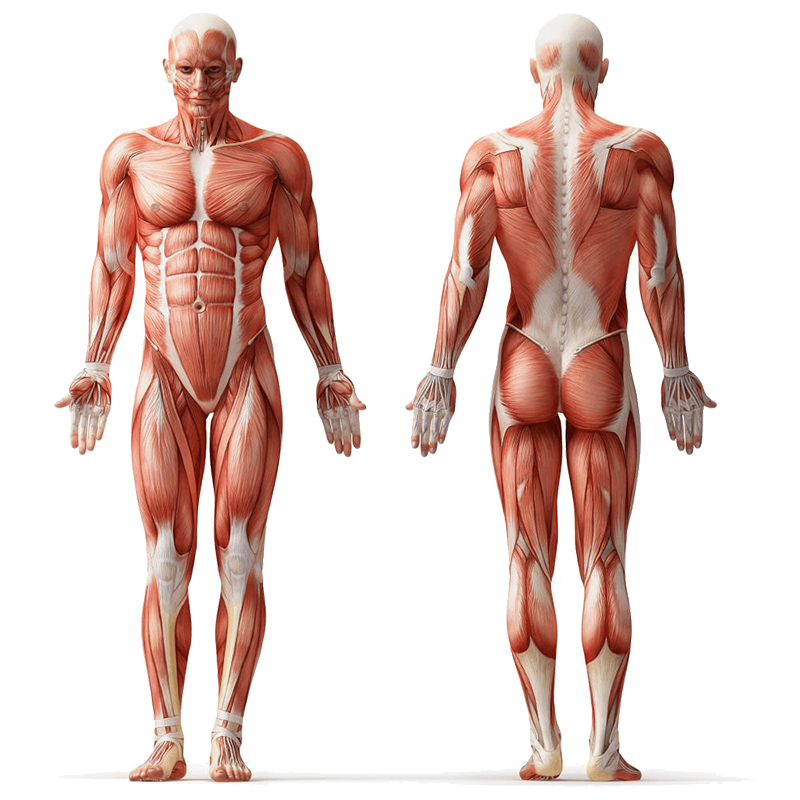
Exercise Profile

Target Muscles:

Chest

Secondary Muscles:

Shoulders, Biceps, Core, Forearms

Exercise Type:

Strength

Equipment:

Bodyweight

Difficulty:

Intermediate to Advanced

Mechanics:

Compound
Muscle Anatomy

The Pseudo Planche Push-Up is a challenging bodyweight exercise that serves as an intermediate progression towards the full planche push-up—a movement where the body is held parallel to the ground, supported solely by the hands.

This exercise primarily targets the pectoralis major (chest muscles) and anterior deltoids (front shoulder muscles), while also engaging the biceps brachii (front of the upper arm), core muscles, and wrist flexors (forearm muscles). By adjusting hand placement and body lean, the Pseudo Planche Push-Up increases the demand on these muscle groups, offering a substantial strength-building challenge for intermediate to advanced fitness enthusiasts. No equipment is necessary, making it an accessible addition to any calisthenics or bodyweight training regimen.

Unlike traditional push-ups, the Pseudo Planche Push-Up requires a forward lean and a unique hand positioning that shifts more body weight onto the upper body, particularly the shoulders and chest. This variation not only enhances upper body strength but also improves balance, core stability, and prepares the body for more advanced movements like the full planche. Incorporating this exercise into your routine can lead to significant gains in functional strength and muscular endurance.

Before attempting the Pseudo Planche Push-Up, it's advisable to have a solid foundation in standard push-ups and core stability exercises. Warming up thoroughly, focusing on the wrists, shoulders, and core, is essential to prevent injury and ensure optimal performance. Emphasizing proper form over the number of repetitions will maximize benefits and reduce the risk of strain.

Note: Consult a fitness professional or healthcare provider if you have pre-existing conditions or experience discomfort during the exercise.

Step-by-Step Instructions

  1. Begin in a plank position with your hands placed on the floor at waist level, fingers pointing towards your feet. Your legs should be extended straight behind you, and your toes tucked under.
  2. Engage your core muscles and maintain a straight line from your head to your heels, ensuring your body remains rigid throughout the movement.
  3. Lean your shoulders forward over your hands, increasing the load on your upper body. This forward lean is crucial for targeting the intended muscle groups.
  4. Inhale as you bend your elbows, keeping them close to your body, and lower your chest towards the floor while maintaining the forward lean.
  5. Exhale as you push through your palms to extend your elbows, returning to the starting position while keeping your shoulders leaned forward.
  6. Repeat for the desired number of repetitions, ensuring consistent form and controlled movements throughout.

Tips for Proper Form

  • Maintain a hollow body position by engaging your core and glutes to prevent sagging or arching of the lower back.
  • Keep your shoulders protracted (pushed away from the spine) throughout the movement to enhance shoulder stability and engagement.
  • Avoid shrugging your shoulders towards your ears; keep them depressed to reduce unnecessary tension.
  • Start with a manageable forward lean and gradually increase it as your strength and confidence improve.
  • Use parallettes or push-up bars if wrist flexibility is a concern, as they can reduce strain and provide a neutral grip.
  • Focus on slow, controlled movements to maximize muscle engagement and minimize the risk of injury.

Common Mistakes to Avoid

  • Allowing the hips to sag or pike, which compromises core engagement and proper body alignment.
  • Letting the elbows flare out, reducing the effectiveness of the exercise and increasing shoulder strain.
  • Neglecting the forward lean, resulting in a standard push-up rather than targeting the specific muscles intended.
  • Failing to maintain shoulder protraction, leading to decreased shoulder stability and potential discomfort.
  • Holding your breath during the movement; instead, practice steady, controlled breathing to support muscle function.
  • Progressing too quickly without mastering proper form, which can lead to poor technique and potential injury.

Pseudo Planche Push-Up Benefits

  • Enhances upper body strength, particularly in the chest, shoulders, and biceps, by increasing the load on these muscles.
  • Improves core stability and strength due to the requirement of maintaining a rigid body position throughout the exercise.
  • Increases wrist strength and flexibility, which are essential for advanced calisthenics movements.
  • Prepares the body for more advanced skills like the full planche by developing necessary strength and balance.
  • Requires no equipment, making it a versatile exercise that can be performed in various settings.
  • Promotes body awareness and control, as maintaining proper form necessitates focus and coordination.

Summary

The Pseudo Planche Push-Up is a demanding bodyweight exercise that significantly enhances upper body and core strength. By incorporating this movement into your training regimen, you can develop the necessary foundation for advanced calisthenics skills, improve muscular endurance, and achieve greater body control. Prioritizing proper form and gradual progression will ensure optimal benefits and reduce the risk of injury.

FAQs

How often should I perform Pseudo Planche Push-Ups?

Incorporate them into your routine 2–3 times per week, allowing rest days in between for muscle recovery.

Are Pseudo Planche Push-Ups suitable for beginners?

They are more appropriate for individuals with an intermediate fitness level. Beginners should build a foundation with standard push-ups and core exercises before attempting this variation.

Can I modify the exercise if it's too challenging?

Yes, reduce the forward lean or perform the exercise with your knees on the ground to decrease the intensity.

What should I do if I experience wrist discomfort?

Use parallettes or push-up bars to maintain a neutral wrist position, and incorporate wrist mobility and strengthening exercises into your routine.

How can I progress to a full planche push-up?

Consistently practice Pseudo Planche Push-Ups while gradually increasing the forward lean, and incorporate other planche progressions such as tuck planche holds.

Is it normal for my feet to slide during the exercise?

Ideally, your feet should remain stationary. If sliding occurs, focus on maintaining tension throughout your body and consider performing the exercise on a non-slip surface.

Disclaimer: It’s important to keep in mind that not all exercises are suitable for everyone. Before trying out a new exercise, it’s crucial to consider factors such as your flexibility, strength, and overall health to determine whether or not the exercise is appropriate for you. Like any exercise, there is inherent danger associated with it and it can potentially cause personal injury. It’s solely the responsibility of the exerciser to bear any injury sustained from the proper or improper use of this exercise. World Fitness.Online and its partners cannot be held liable for any injury that occurs as a result of using this exercise and it’s strongly advised that you seek guidance from a professional healthcare provider before attempting any exercise or exercise program.
Facebook
Twitter
LinkedIn
Scroll to Top