
Power Sled Push

Video Demo, Instructions, Proper Form Tips, Common Mistakes, Benefits and FAQs
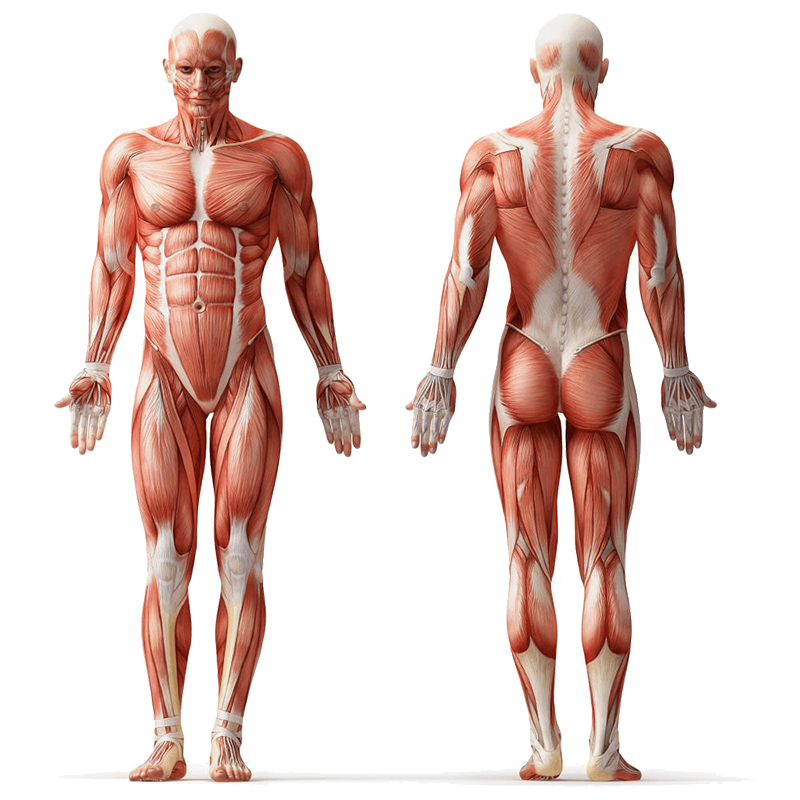
Exercise Profile

Target Muscles:

Quadriceps, Glutes, Hamstrings

Secondary Muscles:

Calves, Core, Shoulders, Triceps

Exercise Type:

Strength, Power

Equipment:

Weight Sled

Difficulty:

Intermediate

Mechanics:

Compound
Muscle Anatomy

The Power Sled Push, also known as the Weighted Sled Push, is a powerful full-body exercise that blends strength, power, and conditioning. It primarily strengthens the quadriceps, glutes, and hamstrings while also engaging the calves, core, shoulders, and triceps. The movement trains your body to produce forward force, which makes it ideal for athletes, sprinters, and anyone looking to improve real-world strength and explosive drive. Because it relies on pushing against horizontal resistance, it also builds endurance and stability, making it one of the most effective conditioning tools available.

Safety Considerations

Before performing sled pushes, warm up your legs, hips, shoulders, and core. Ensure you are pushing on a flat, stable surface such as turf or a sled track. Keep your back neutral and avoid rounding your spine or leaning excessively forward. Use footwear with good traction to prevent slipping. Always start with lighter weight until you master the movement. If you feel discomfort in your knees, hips, or back, stop and reassess your posture or load. Note: Seek guidance from a fitness professional or medical expert if you have previous injuries or joint concerns before performing heavy sled pushes.

Step-by-Step Instructions

Follow these steps carefully to perform the Power Sled Push safely and effectively.

  1. Load the sled with your desired weight. Choose a manageable amount that allows you to move with proper form throughout the push.
  2. Stand behind the sled and grab the handles firmly. Position your body at a 30 to 45-degree lean forward with arms extended and core braced.
  3. Engage your glutes and core, then start pushing by driving through your legs. Use powerful, short steps to move the sled forward.
  4. Keep your spine straight, head neutral, and shoulders stable. Avoid side-to-side rocking or twisting as you push.
  5. Continue driving until you reach the end of your track or your target distance.
  6. Gradually slow down and stop the sled under control rather than halting abruptly.

Tips for Proper Form

These cues will help you maximize efficiency and safety during the exercise.

  • Maintain a strong, neutral spine and stable torso throughout the push.
  • Drive through the legs using glute and hamstring power, not just your quads.
  • Keep your arms straight but relaxed to avoid early fatigue in the shoulders.
  • Use short, quick, and powerful steps instead of long strides.
  • Keep your hips low and chest slightly forward to maintain leverage.
  • Keep your eyes focused forward to maintain alignment and balance.
  • Start with moderate resistance, then increase weight gradually as your form improves.

Common Mistakes to Avoid

Watch for these frequent form errors to prevent injuries and ensure results.

  • Leaning too far forward or allowing your torso to collapse.
  • Rounding your back instead of keeping it straight and braced.
  • Letting your knees cave inward or outward during each step.
  • Using excessive speed that causes you to lose posture and control.
  • Allowing your arms to bend or shoulders to roll forward excessively.
  • Neglecting core engagement, which can lead to lower back strain.
  • Pushing on an uneven surface that could make the sled jerk or tip.

Primary Benefits

The Power Sled Push delivers exceptional benefits for both strength and conditioning.

  • Builds explosive leg power by training the quadriceps, glutes, and hamstrings.
  • Improves acceleration, sprint performance, and athletic drive.
  • Enhances cardiovascular endurance and metabolic conditioning.
  • Strengthens the core, shoulders, and triceps for total-body stability.
  • Low-impact alternative to running, reducing joint stress while improving stamina.
  • Increases muscular endurance and real-world pushing strength.

Regressions

Beginners or those building up to heavier sled pushes can use these regressions.

  • Push an empty sled or use very light weight to practice technique.
  • Perform shorter pushes (5–10 meters) instead of long-distance drives.
  • Use a more upright stance to reduce intensity.
  • Perform plate pushes on a slick gym floor to mimic sled mechanics.
  • Alternate between pushing and resting intervals to build endurance gradually.
  • Practice resisted walking or static holds before progressing to full pushes.

Progressions

Once you have mastered the basics, use these variations to increase the challenge.

  • Add more weight plates for greater resistance.
  • Push the sled for longer distances or perform timed intervals.
  • Perform sled push sprints for explosive power training.
  • Combine sled pushes with sled pulls for balanced strength development.
  • Vary your hand placement or handle height to target different muscles.
  • Push on an incline or use resistance bands for increased difficulty.

Summary

The Power Sled Push is a powerful compound exercise that develops leg strength, core stability, and total-body endurance. It combines power and conditioning in one movement, helping you improve acceleration, balance, and muscular coordination. Whether you are an athlete training for performance or a fitness enthusiast seeking functional strength, the sled push is a safe and effective addition to your program when performed with proper form and progressive loading.

FAQs

How much weight should I use for the Power Sled Push?

Start light, focusing on proper form and posture. Gradually increase the load as you get stronger. Choose a resistance that challenges you without breaking form.

Is the sled push suitable for beginners?

Yes. Beginners should start with light or no additional weight and short distances, then increase resistance and length as control improves.

How far should I push the sled?

A typical training distance is 10 to 30 meters, depending on your goals. You can also use time intervals such as 20 to 45 seconds per set.

Does the sled push help build muscle?

Yes. It builds lower body and core muscle strength, especially in the glutes, quads, and hamstrings. It can also enhance shoulder and arm endurance.

Can I use the sled push for cardio?

Absolutely. Pushing a sled at moderate intensity for longer durations provides an excellent low-impact cardiovascular workout.

What surfaces work best for sled pushing?

Artificial turf, rubber gym flooring, or a smooth sled track are ideal. Avoid rough or uneven surfaces that can damage equipment or disrupt motion.

Disclaimer: It’s important to keep in mind that not all exercises are suitable for everyone. Before trying out a new exercise, it’s crucial to consider factors such as your flexibility, strength, and overall health to determine whether or not the exercise is appropriate for you. Like any exercise, there is inherent danger associated with it and it can potentially cause personal injury. It’s solely the responsibility of the exerciser to bear any injury sustained from the proper or improper use of this exercise. World Fitness.Online and its partners cannot be held liable for any injury that occurs as a result of using this exercise and it’s strongly advised that you seek guidance from a professional healthcare provider before attempting any exercise or exercise program.
Facebook
Twitter
LinkedIn
Scroll to Top