
Plate Push

Video Demo, Instructions, Proper Form Tips, Common Mistakes, Benefits and FAQs
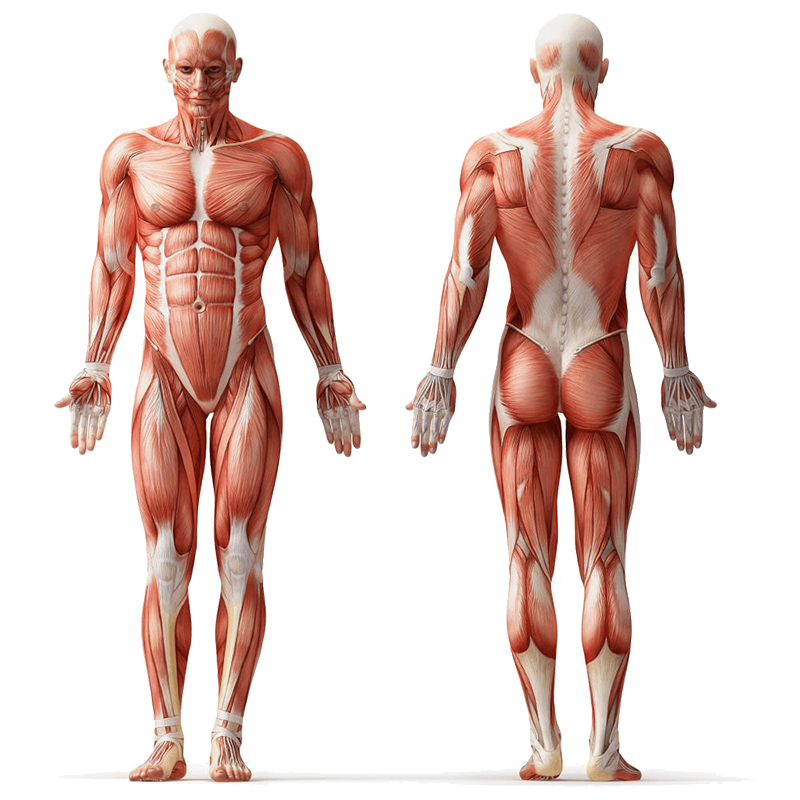
Exercise Profile

Target Muscles:

Quads

Secondary Muscles:

Glutes, Hamstrings, Calves, Core Muscles

Exercise Type:

Strength, Cardio

Equipment:

Weight Plates

Difficulty:

Beginner to Advanced

Mechanics:

Compound
Muscle Anatomy

The Plate Push, also known as the Plate Sled Push, is a dynamic conditioning exercise that primarily targets the quadriceps (front thigh muscles) and gluteus maximus (buttocks), while also engaging the hamstrings (back thigh muscles), calves (gastrocnemius and soleus), and core muscles for stabilization. This exercise involves pushing a weight plate across a smooth surface, mimicking the motion of a sled push but without the need for specialized equipment. It's an excellent alternative for those who don't have access to a prowler sled, offering similar cardiovascular and strength benefits. Suitable for individuals ranging from beginners to advanced fitness enthusiasts, the Plate Push requires only a weight plate and a smooth surface, making it a versatile addition to various training environments.

Unlike traditional sled pushes, the Plate Push offers the convenience of using readily available equipment, allowing for high-intensity interval training (HIIT) sessions that can enhance both muscular endurance and cardiovascular fitness. This exercise is particularly effective for athletes looking to improve acceleration and sprint performance, as it closely simulates the mechanics of explosive lower-body movements. Before incorporating Plate Pushes into your routine, ensure you have a proper warm-up to prepare your muscles and joints for the demands of the exercise.

Note: Consult a fitness professional or healthcare provider if you have pre-existing conditions or experience discomfort during the exercise.

Step-by-Step Instructions

  1. Place a weight plate on a smooth surface, such as a gym floor or turf. Ensure the area is clear of obstacles.
  2. Stand behind the plate with your feet shoulder-width apart, bending at the hips and knees to grasp the sides of the plate securely.
  3. Engage your core muscles to maintain a neutral spine and stabilize your torso.
  4. Lean forward slightly, positioning your shoulders over your hands, and extend your arms fully while keeping a firm grip on the plate.
  5. Initiate the movement by driving through your legs, pushing the plate forward with a powerful and continuous motion.
  6. Maintain a low body position, keeping your hips down and back flat, as you push the plate across the surface.
  7. Continue pushing for the desired distance or time, focusing on consistent speed and controlled breathing.
  8. Once you reach the end point, rest briefly before repeating for the prescribed number of sets.

Tips for Proper Form

  • Start with a lighter weight plate to master the technique before progressing to heavier loads.
  • Keep your head in a neutral position, aligning it with your spine to avoid neck strain.
  • Engage your core throughout the movement to prevent lower back arching and maintain stability.
  • Focus on driving through your legs rather than relying solely on upper body strength.
  • Maintain a steady and controlled pace to maximize muscle engagement and cardiovascular benefits.
  • Wear appropriate footwear with good traction to prevent slipping during the exercise.

Common Mistakes to Avoid

  • Allowing your hips to rise too high, which can reduce power output and increase strain on the lower back.
  • Rounding your shoulders or back, leading to poor posture and potential injury.
  • Using excessive weight before mastering proper form, increasing the risk of injury.
  • Holding your breath during the push; instead, practice rhythmic breathing to maintain oxygen flow.
  • Failing to engage the core, resulting in decreased stability and efficiency.
  • Not warming up adequately, which can lead to muscle strains or joint discomfort.

Plate Push Benefits

  • Enhances lower body strength, particularly in the quadriceps and glutes, contributing to improved performance in activities like running and jumping.
  • Provides a cardiovascular workout, elevating heart rate and aiding in fat loss.
  • Improves muscular endurance, allowing for sustained physical activity over longer periods.
  • Requires minimal equipment, making it accessible for various training environments.
  • Offers versatility in training, as it can be adjusted for different fitness levels by varying the weight or distance.
  • Engages core muscles, promoting better posture and stability in daily activities.

Summary

The Plate Push is a versatile and effective exercise that combines strength and cardiovascular training, targeting major lower body muscles while engaging the core for stabilization. Its simplicity and minimal equipment requirements make it an excellent addition to various workout routines, suitable for enhancing athletic performance and overall fitness.

FAQs

How often should I incorporate Plate Pushes into my workout routine?

Including Plate Pushes 1-2 times per week can effectively enhance lower body strength and cardiovascular fitness.

Can beginners perform Plate Pushes?

Yes, beginners can start with lighter weight plates and shorter distances to build proper form and gradually increase intensity.

What surface is best for Plate Pushes?

A smooth, hard surface like a gym floor or turf is ideal to allow the plate to slide effectively without causing damage.

How much weight should I use for Plate Pushes?

Start with a manageable weight that allows you to maintain proper form, gradually increasing as your strength and technique improve.

Can Plate Pushes replace sled pushes in my training?

Yes, Plate Pushes are a suitable alternative to sled pushes, especially when access to a sled is limited, providing similar benefits.

How can I increase the intensity of Plate Pushes?

To intensify the exercise, increase the weight of the plate, extend the pushing distance, or reduce rest periods between sets.

Disclaimer: It’s important to keep in mind that not all exercises are suitable for everyone. Before trying out a new exercise, it’s crucial to consider factors such as your flexibility, strength, and overall health to determine whether or not the exercise is appropriate for you. Like any exercise, there is inherent danger associated with it and it can potentially cause personal injury. It’s solely the responsibility of the exerciser to bear any injury sustained from the proper or improper use of this exercise. World Fitness.Online and its partners cannot be held liable for any injury that occurs as a result of using this exercise and it’s strongly advised that you seek guidance from a professional healthcare provider before attempting any exercise or exercise program.
Facebook
Twitter
LinkedIn
Scroll to Top