
Mountain Climber Push-Ups
Video Demo, Instructions, Proper Form Tips, Common Mistakes, Benefits and FAQs
Video Demo, Instructions, Proper Form Tips, Common Mistakes, Benefits and FAQs
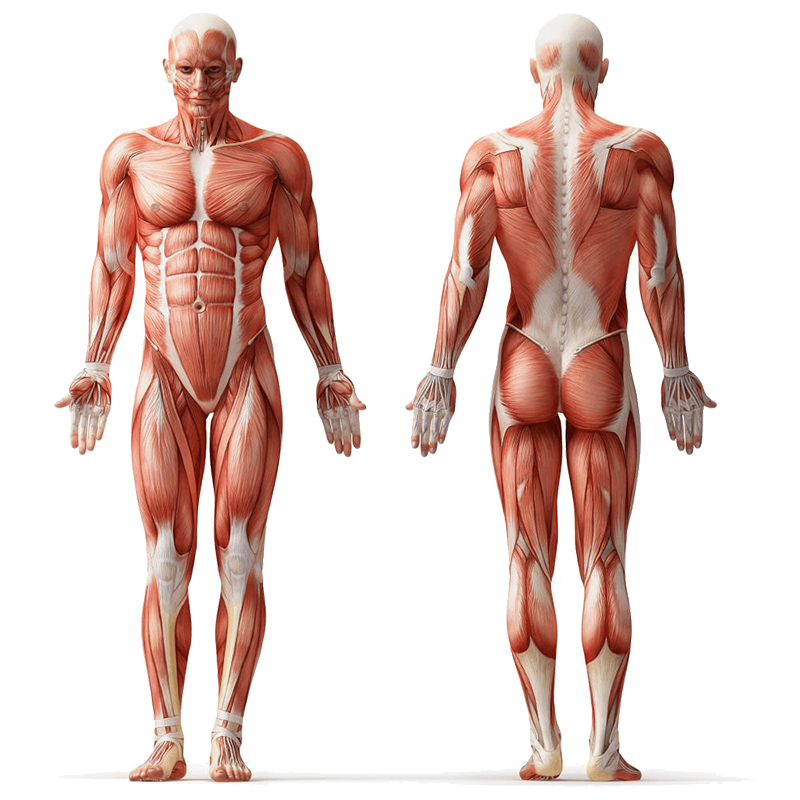
Mountain Climber Push-Ups are a dynamic, full-body exercise that combines the benefits of traditional push-ups and mountain climbers. This exercise is known for its effectiveness in building strength, enhancing cardiovascular fitness, and engaging multiple muscle groups simultaneously. Also known as Push-Up with Mountain Climbers, this exercise targets the chest, shoulders, triceps, and core muscles, including the rectus abdominis (six-pack muscles) and obliques. Secondary muscle groups engaged include the quadriceps, hamstrings, glutes, and lower back muscles (erector spinae).
As a compound movement, Mountain Climber Push-Ups involve multiple joints and muscle groups, making them an excellent addition to any high-intensity workout routine. This body-weight exercise requires no additional equipment, making it accessible for all fitness levels. The mechanics of this exercise involve alternating between push-ups and mountain climbers, challenging both the upper and lower body.
Mountain Climber Push-Ups are a highly effective compound exercise that combines the benefits of push-ups and mountain climbers. This exercise targets multiple muscle groups, enhances cardiovascular fitness, and improves overall strength and stability. Proper form and technique are essential to maximize benefits and minimize the risk of injury. Incorporate Mountain Climber Push-Ups into your workout routine for a challenging and rewarding fitness experience.
It is recommended to incorporate this exercise into your routine 2-3 times per week, allowing for adequate rest and recovery between sessions.
Yes, beginners can modify the exercise by performing the mountain climber phase on an elevated surface and starting with knee push-ups.
This exercise primarily targets the chest, shoulders, triceps, and core muscles, with secondary engagement of the quadriceps, hamstrings, glutes, and lower back muscles.
Yes, this high-intensity exercise can help burn calories and improve cardiovascular fitness, contributing to overall weight loss when combined with a healthy diet and lifestyle.
It is advisable to give your muscles time to recover, so performing this exercise every day is not recommended. Instead, aim for 2-3 times per week.
Advanced variations include increasing the speed, adding a plyometric element, or elevating the feet on a stable platform for increased difficulty.