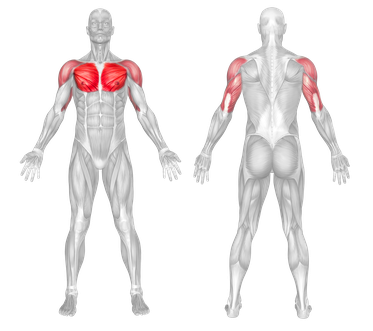
The Low Cable Crossover is a specialized strength exercise that targets the chest muscles, with a particular focus on the upper pectoralis major. This exercise is performed using a cable machine, allowing for a constant tension on the muscles throughout the entire range of motion, which is key to muscle growth and definition. Ideal for intermediate to advanced exercisers, the Low Cable Crossover also engages the anterior deltoids and triceps as secondary muscle groups. It is considered a compound exercise due to the involvement of multiple joints and muscle groups but focuses on isolation of the chest. The equipment required for this exercise includes a cable station with low pulleys.
Low Cable Crossover Step-by-Step Instructions
- Set the pulleys on a dual cable machine to the lowest setting and choose the weight you wish to use.
- Stand in the center of the cable station with your feet shoulder-width apart, slight bend in your knees, and a slight forward lean.
- Grasp the handles with your palms facing up and arms extended along your sides.
- With a slight bend in your elbows, draw your arms together in front of your waist, crossing one hand over the other in a sweeping motion.
- Slowly return your arms back to the starting position, feeling a stretch in your chest muscles.
- Repeat for the desired number of repetitions, ensuring to maintain the tension in your chest muscles throughout the movement.
Low Cable Crossover Tips for Proper Form
- Keep your core engaged throughout the exercise to stabilize your upper body and prevent excessive swaying.
- Focus on the contraction of your chest muscles as you bring your hands together, rather than on the weights you are lifting.
- Maintain a slight bend in your elbows throughout the exercise to protect your joints.
- Ensure a controlled movement both when bringing your hands together and when returning to the start position to maximize muscle engagement.
- Avoid lifting too heavy, as it can compromise form and reduce the effectiveness of the exercise.
Low Cable Crossover Benefits
- Targets the upper part of the chest muscles, enhancing muscle definition and strength.
- Provides constant tension on the chest muscles, crucial for muscle growth and endurance.
- Engages secondary muscle groups, including the shoulders and triceps, for a well-rounded upper body workout.
- Improves muscle balance and symmetry between the left and right sides of the chest.
- Increases flexibility and range of motion in the shoulder joints.
Low Cable Crossover Common Mistakes to Avoid
- Using too much weight, leading to a loss of form and decreased focus on the chest muscles.
- Allowing the elbows to lock out during the exercise, which can put unnecessary strain on the joints.
- Performing the exercise too quickly, which reduces the effectiveness of muscle engagement and increases the risk of injury.
- Not maintaining a slight forward lean, which can shift the focus away from the upper chest.
- Failing to keep the core engaged, resulting in excessive movement of the upper body and reduced effectiveness.
Low Cable Crossover Summary
The Low Cable Crossover is an effective exercise for targeting the upper chest, offering benefits in muscle definition, growth, and symmetry. By adhering to proper form and focusing on controlled movements, exercisers can maximize the impact of this exercise while minimizing the risk of injury. Suitable for intermediate to advanced levels, this exercise is a valuable addition to any chest-focused workout regimen, providing a comprehensive approach to upper body strength and definition.