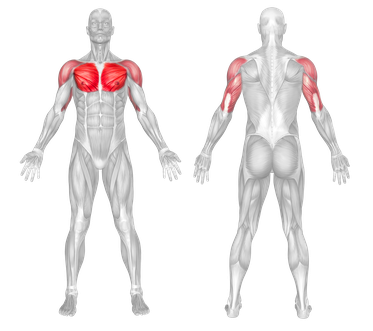
The kettlebell incline bench press is a powerful variation of the traditional bench press that incorporates kettlebells to increase stabilization demands and engage the muscles differently. This exercise is also known as the incline kettlebell press. Suitable for intermediate to advanced lifters, this strength exercise targets the pectoralis major (chest muscles) as the primary muscle group. Secondary muscle groups involved include the deltoids (shoulders) and triceps brachii (triceps).
The kettlebell incline bench press is a compound movement, meaning it engages multiple joints and muscle groups simultaneously. Required equipment includes a set of kettlebells and an adjustable incline bench. The unique benefits of this exercise include enhanced shoulder stability and the ability to work each side of the body independently, reducing muscular imbalances.
Kettlebell Incline Bench Press Step-by-Step Instructions
- Start by setting an adjustable bench to a 30-45 degree incline. Place two kettlebells of equal weight next to the bench.
- Sit on the bench and carefully lift the kettlebells onto your thighs. Lean back and position the kettlebells at shoulder height with palms facing forward.
- Press the kettlebells upward by extending your elbows until your arms are fully extended but not locked out.
- Slowly lower the kettlebells back to the starting position, maintaining control throughout the descent.
- Repeat the movement for the desired number of repetitions.
- To finish, carefully lower the kettlebells to your thighs before sitting up and placing them on the floor.
Kettlebell Incline Bench Press, Tips for Proper Form
- Keep your core engaged throughout the exercise to maintain stability and prevent arching of the lower back.
- Ensure your feet are flat on the floor to provide a solid base and enhance balance.
- Use a controlled motion, avoiding jerking or bouncing the weights to minimize injury risk.
- Focus on breathing rhythmically, exhaling during the press and inhaling as you lower the weights.
- Maintain a neutral wrist position to reduce strain on your joints and improve force transfer.
- If new to this exercise, start with lighter weights to master the form before progressing to heavier kettlebells.
Kettlebell Incline Bench Press Benefits
- Enhances chest muscle hypertrophy and strength due to the unique loading pattern of kettlebells.
- Improves shoulder stability as each arm works independently, engaging stabilizing muscles.
- Reduces muscular imbalances by allowing each arm to move separately, ensuring balanced development.
- Engages the core muscles more intensely to stabilize the body on the incline bench.
- Offers a variation from traditional dumbbell or barbell presses, preventing workout monotony.
- Can be modified for different fitness levels by adjusting the kettlebell weights or bench incline.
Kettlebell Incline Bench Press Common Mistakes to Avoid
- Arching the lower back excessively, which can lead to lower back strain. Maintain a neutral spine position.
- Allowing the wrists to bend backward, increasing the risk of wrist injury. Keep wrists straight and aligned with forearms.
- Using too heavy weights initially, compromising form and increasing injury risk. Start with manageable weights.
- Bouncing the kettlebells off the chest at the bottom of the movement. Use a controlled descent and ascent.
- Neglecting to engage the core, leading to instability and poor form. Focus on maintaining core tension throughout.
- Performing the exercise with uneven tempo, which can lead to imbalanced muscle development. Maintain a steady, consistent pace.
Kettlebell Incline Bench Press Summary
The kettlebell incline bench press is a compound strength exercise targeting the chest, shoulders, and triceps, suitable for intermediate to advanced lifters. It offers unique benefits like enhanced shoulder stability and reduced muscle imbalances. Proper form and controlled movements are essential for maximizing the effectiveness and safety of this exercise.
Kettlebell Incline Bench Press FAQs
How often should I perform the kettlebell incline bench press?
Incorporate it into your workout routine 1-2 times per week, allowing at least 48 hours of recovery between sessions for the targeted muscles.
What weight should I start with for this exercise?
Start with a lighter weight that allows you to perform the exercise with proper form for 8-12 repetitions. Gradually increase the weight as you become more comfortable with the movement.
Can I perform this exercise with dumbbells instead of kettlebells?
Yes, you can substitute dumbbells if kettlebells are not available. However, kettlebells offer unique stabilization challenges that dumbbells may not provide.
Is this exercise suitable for beginners?
It is best suited for intermediate to advanced lifters. Beginners should start with basic bench press variations and lighter weights before progressing to this exercise.
What is the optimal bench incline for this exercise?
A bench incline of 30-45 degrees is optimal for targeting the upper chest muscles effectively.
How can I make this exercise more challenging?
Increase the weight of the kettlebells, slow down the tempo of each repetition, or add a pause at the bottom of the movement to increase the challenge.