
High Knee Squat

Video Demo, Instructions, Proper Form Tips, Common Mistakes, Benefits and FAQs
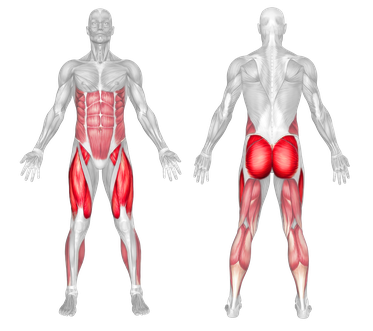
Exercise Profile

Target Muscles:

Quads, Glutes, Hip Flexors

Secondary Muscles:

Hamstrings, Calves, Core

Exercise Type:

Strength, Cardio

Equipment:

Bodyweight

Difficulty:

Beginner to Intermediate

Mechanics:

Compound
Muscle Group

The High Knee Squat, also known as Squat to High Knee is a dynamic exercise that combines the strength-building benefits of a squat with the cardiovascular and coordination benefits of a high knee movement. This exercise is classified as intermediate level, making it suitable for those who have some experience with basic movements and are looking to advance their workouts.

The primary muscle groups targeted are the quadriceps (thighs), glutes (buttocks), and hip flexors, with secondary engagement of the hamstrings (back of thighs), calves, and core muscles. This compound exercise requires no equipment, making it a versatile addition to any workout routine, whether at home or in the gym. By combining strength and cardio elements, it enhances lower body strength, balance, and cardiovascular fitness.

Step-by-Step Instructions

  1. Start standing with your feet shoulder-width apart, arms at your sides.
  2. Lower into a squat by bending your knees and hips, keeping your back straight and chest up. Ensure your knees do not go past your toes.
  3. As you rise from the squat, shift your weight to one leg and lift the opposite knee towards your chest, driving your knee as high as possible.
  4. Lower the lifted leg back to the starting position, and immediately lower into another squat.
  5. Repeat the movement, alternating knees with each squat. Perform for the desired number of repetitions or time.

Tips for Proper Form

  • Keep your core engaged throughout the movement to maintain balance and stability.
  • Ensure your back remains straight, and avoid leaning forward excessively during the squat.
  • Drive your knee up with control, not momentum, to maximize muscle engagement.
  • Maintain a steady pace, focusing on form rather than speed to prevent injury.
  • Start with a small range of motion if you are a beginner, gradually increasing the height of your knee lift as you become more comfortable.
  • Use a mirror or record yourself to check for proper form and make necessary adjustments.

Benefits

  • Improves lower body strength, targeting the quadriceps, glutes, and hamstrings.
  • Enhances cardiovascular fitness, providing a heart-pumping workout.
  • Boosts balance and coordination, crucial for daily activities and athletic performance.
  • Engages the core muscles, aiding in overall stability and strength.
  • Promotes flexibility in the hip flexors and lower back.
  • Burns calories and aids in weight management through a combination of strength and cardio.

Common Mistakes to Avoid

  • Avoid letting your knees cave inward during the squat to prevent strain on the joints.
  • Do not lean forward excessively, which can lead to back strain and improper form.
  • Avoid using momentum to lift your knee; focus on controlled movements.
  • Do not let your heels lift off the ground during the squat; keep your weight evenly distributed on your feet.
  • Avoid shallow squats; ensure you lower down enough to engage your glutes and thighs properly.
  • Do not hold your breath; maintain steady breathing to help with endurance and muscle oxygenation.

Summary

The High Knee Squat is an intermediate-level exercise that combines the strength-building benefits of squats with the cardiovascular and coordination benefits of high knees. This compound, body-weight exercise targets the quadriceps, glutes, and hip flexors while also engaging secondary muscles like the hamstrings, calves, and core. By incorporating this exercise into your routine, you can improve lower body strength, balance, and cardiovascular fitness. Proper form is essential to maximize benefits and prevent injuries, making this exercise a versatile and effective addition to any workout regimen.

FAQs

How often should I perform High Knee Squat?

For best results, incorporate High Knee Squat into your workout routine 2-3 times per week, allowing at least one day of rest between sessions for recovery.

Can beginners perform High Knee Squat?

Yes, beginners can perform this exercise. Start with a smaller range of motion and fewer repetitions, gradually increasing as you build strength and confidence.

What are some variations of High Knee Squat?

You can add a jump at the end of the knee lift for an added cardio boost or hold a light weight to increase the resistance and challenge your muscles further.

Is High Knee Squat effective for weight loss?

Yes, this exercise is effective for weight loss as it combines strength and cardiovascular elements, helping to burn calories and build muscle.

What should I do if I feel pain in my knees during the exercise?

If you experience knee pain, stop the exercise immediately. Check your form, and ensure your knees are not caving inward or going past your toes. If pain persists, consult a fitness professional or healthcare provider.

Can I include High Knee Squat in a HIIT workout?

Absolutely! High Knee Squat is a great addition to HIIT workouts due to its high-intensity nature and ability to boost heart rate while building strength.

Disclaimer: It’s important to keep in mind that not all exercises are suitable for everyone. Before trying out a new exercise, it’s crucial to consider factors such as your flexibility, strength, and overall health to determine whether or not the exercise is appropriate for you. Like any exercise, there is inherent danger associated with it and it can potentially cause personal injury. It’s solely the responsibility of the exerciser to bear any injury sustained from the proper or improper use of this exercise. World Fitness.Online and its partners cannot be held liable for any injury that occurs as a result of using this exercise and it’s strongly advised that you seek guidance from a professional healthcare provider before attempting any exercise or exercise program.
Facebook
Twitter
LinkedIn
Scroll to Top