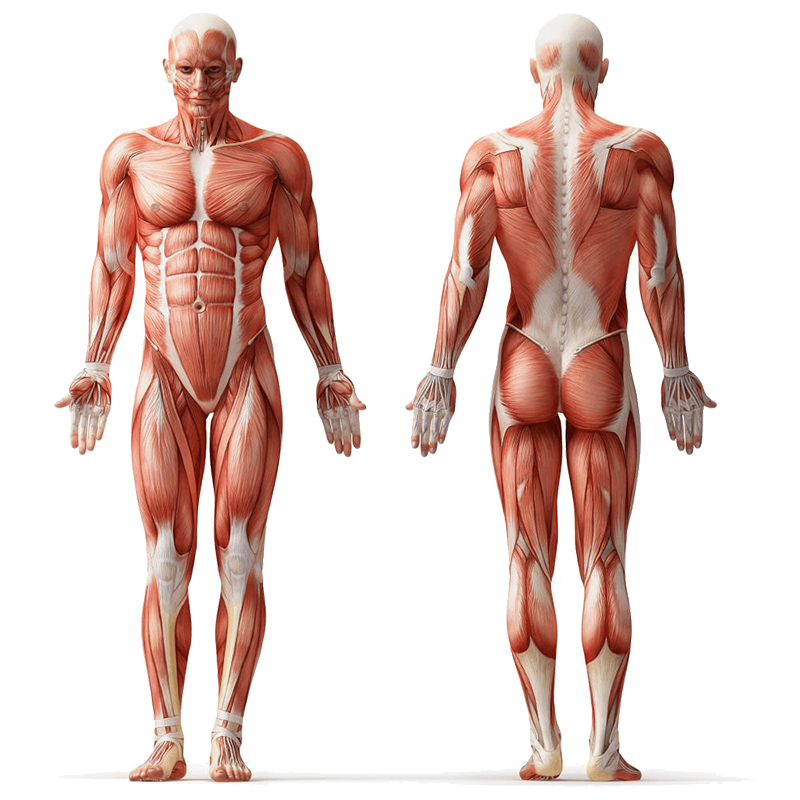
Frog Crunch, also known as frog crunches, is an engaging core strengthening move that blends strength and dynamic flexibility. This bodyweight friendly, compound exercise recruits your abdominals both upper and lower and even targets your obliques, hip flexors, inner thighs, and glutes. Ideal for those beginning their fitness journey or advancing core routines, it offers more than a basic crunch through the unique frog leg position that opens the hips and challenges coordination. The movement not only sculpts your midsection but also boosts hip mobility and core stability, making it a smart pick for both everyday fitness and functional training.
Safety Considerations
Ensure you are working out on a comfortable, supportive surface like a yoga mat to protect your spine. Warm up your hips and core before starting, and be mindful of neck strain avoid pulling on your head with your hands. Keep your lower back grounded through each rep to prevent arching. If you experience discomfort or have preexisting conditions, proceed cautiously.
Note: Consult a fitness professional or healthcare provider if you have preexisting conditions or experience discomfort during the exercise
Step by Step Instructions
Follow these steps to perform Frog Crunch with control and precision:
- Lie flat on your back on a mat with knees bent and the soles of your feet pressed together, knees splayed outward in a diamond or “frog” position.
- Place your hands lightly behind your head (or cross over your chest) with your spine in a neutral position and ribs down.
- Engage your core by drawing your navel toward your spine, keeping your lower back pressed into the mat.
- As you exhale, lift your shoulders and upper back off the mat while simultaneously raising your thighs toward your torso. You can reach your hands between your knees.
- Pause briefly at the top, feeling the contraction in your abdominals especially the lower portion.
- Inhale while slowly lowering your torso and legs back to the starting position with control.
- Repeat for your desired number of repetitions, maintaining steady breathing and core engagement.
Tips for Proper Form
Ensure maximum effectiveness and prevent injury with these form pointers:
- Keep your lower back pressed into the mat to avoid arching.
- Initiate movement from your abs, not your neck support your head gently with fingertips.
- Breathe out as you crunch inhale as you lower back down.
- Keep your chin tucked slightly think of holding an egg under your chin.
- Move slowly and with control avoid using momentum.
- Adjust foot position if needed for comfort and form (closer or further from hips).
- Engage your glutes to help stabilize your pelvis.
- Ensure your knees remain splayed and aligned do not let them collapse inward.
Common Mistakes to Avoid
Watch out for these pitfalls to keep your form safe and effective:
- Pulling on the neck or head, which strains the cervical spine.
- Allowing the lower back to arch and lift off the floor.
- Using momentum instead of controlled muscle engagement.
- Breathing improperly holding your breath or exhaling at the wrong phase.
- Collapsing knees inward during the frog position.
- Lifting too high and using the hip flexors instead of abs.
- Rushing through reps instead of focusing on quality movement.
- Neglecting the hip position flatten your pelvis rather than overarching your back.
Primary Benefits
Why include Frog Crunch in your workout:
- Targets both upper and lower abdominals for comprehensive core activation.
- Engages hip flexors and inner thighs, adding lower body challenge.
- Improves hip mobility through the frog leg position.
- Helps sculpt and strengthen the core while enhancing coordination.
- Isolates lower abs more effectively than some traditional crunch variations.
- Bodyweight only exercise no equipment needed and beginner friendly.
Regressions
Make it gentler if needed:
- Keep feet on the floor with soles together reduce leg lift.
- Perform partial crunch lift only a small range of motion.
- Cross arms over chest instead of placing hands behind head.
- Do one side at a time or hold position without crunching.
Progressions
Push the challenge further when ready:
- Hold a light weight, medicine ball, or dumbbell between your arms reaching forward.
- Perform single leg frog crunch keep one leg extended or grounded.
- Add a pause at the top for time under tension.
- Incorporate frog crunches into a circuit with plank or bicycle crunches.
- Increase reps or sets for example 3 to 4 sets of 15 to 20.
Summary
The Frog Crunch is a playful yet powerful twist on the traditional crunch that amplifies your ab engagement by adding a frog leg position that activates your upper and lower abdominals, hip flexors, inner thighs, and glutes. It is bodyweight and beginner friendly yet versatile enough to scale with resistance or single leg variations. Prioritize form keep your lower back grounded, engage your core, and breathe intentionally to enjoy benefits like improved core strength, hip mobility, and functional coordination.
FAQs
Is Frog Crunch safe for lower back pain
Focus on pressing your lower back into the mat and avoid arching. If pain persists, try the beginner regression or check with a professional.
How many reps should I do
Start with 2 to 3 sets of 10 to 15 reps. Adjust based on your core control and comfort level.
Can I feel it in my hips instead of abs
If your hips activate more than your abs, work on engaging your core and moving slower, and ensure your lower back remains grounded.
What is the difference between Frog Crunch and butterfly crunch
They are similar both use a butterfly leg position but the Frog Crunch focuses more on vertical leg movement and core isolation.
Can I hold a frog crunch at the top
Yes Adding an isometric hold at the top increases core activation and time under tension.
How often should I do Frog Crunches
2 to 3 times per week is effective integrate into your core routine or include in full body circuits for variety and intensity.