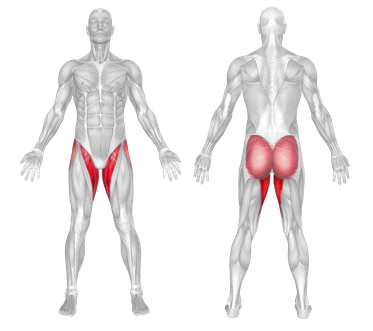
The Fire Hydrant exercise is a popular bodyweight movement designed to target the glutes, hips, and core muscles. It is also known as the "Quadruped Hip Abduction" and primarily engages the gluteus medius (side of the hip) and the gluteus maximus (largest muscle in the buttocks). This exercise is suitable for individuals of all fitness levels and can be performed with or without equipment. It is classified as an isolation exercise due to its focus on a specific muscle group and is typically performed on a mat to protect the knees.
Step-by-Step Instructions
- Begin in a quadruped position with your hands directly under your shoulders and your knees under your hips. Maintain a neutral spine.
- Brace your core and lift your right leg off the ground, keeping your knee bent at a 90-degree angle.
- Move your right knee out to the side as high as you can without shifting your body or arching your back. Feel your right glute engage.
- Pause at the top of the movement, then slowly lower your knee back to the starting position with control.
- Complete the desired number of repetitions on one side before switching to the left leg.
Tips for Proper Form
- Keep your spine neutral and avoid excessive arching or rounding of the back.
- Stabilize your body by engaging your core throughout the exercise.
- Focus on controlled movements rather than speed to maximize glute activation.
- Avoid lifting your knee too high, which can cause pelvic tilt and reduce the effectiveness of the exercise.
- Perform the exercise on a soft surface to protect your knees.
- Start with bodyweight only, and add resistance bands or ankle weights as you progress.
Benefits
- Strengthens the gluteus medius and maximus, improving hip stability and strength.
- Enhances core stabilization and balance.
- Improves hip mobility and range of motion, which is beneficial for daily activities like walking and climbing stairs.
- Helps correct posture and prevent injuries by strengthening the muscles around the hips and pelvis.
- Can alleviate lower back pain by improving glute and hip strength.
- Requires no equipment, making it an accessible exercise for home workouts.
Common Mistakes to Avoid
- Arching or rounding the back instead of maintaining a neutral spine.
- Allowing the body to shift or tilt, reducing the focus on the target muscles.
- Lifting the knee too high, causing unnecessary strain on the lower back.
- Performing the exercise too quickly, which can lead to poor form and reduced effectiveness.
- Not engaging the core, which can compromise stability and form.
- Neglecting to balance the workout by performing equal repetitions on both sides.
Summary
The Fire Hydrant exercise is a highly effective isolation movement that targets the glutes and hips, helping to improve strength, stability, and mobility. It is suitable for all fitness levels and can be performed with minimal equipment. Proper form and controlled movements are essential to maximize benefits and avoid common mistakes. This exercise is a valuable addition to any lower body or core workout routine.
FAQs
How often should I perform the Fire Hydrant exercise?
For optimal results, perform the Fire Hydrant exercise two to three times per week.
Are there any risks associated with the Fire Hydrant exercise?
As with any exercise, improper form can lead to injury. Ensure you maintain a neutral spine and avoid excessive range of motion.
What muscles does the Fire Hydrant exercise target?
This exercise primarily targets the gluteus medius and maximus, with secondary engagement of the core muscles.
Is the Fire Hydrant exercise suitable for all fitness levels?
Yes, it can be adapted for all fitness levels by adjusting the range of motion and adding resistance.
What modifications can be made to increase the difficulty of the Fire Hydrant exercise?
To increase difficulty, add resistance bands or ankle weights, and increase the number of repetitions or duration of the hold at the top of the movement.
Can the Fire Hydrant exercise help with lower back pain?
Yes, by strengthening the glutes and hips, the Fire Hydrant exercise can help alleviate lower back pain.