
Dumbbell Tricep Kickback

Video Demo, Instructions, Proper Form Tips, Common Mistakes, Benefits and FAQs
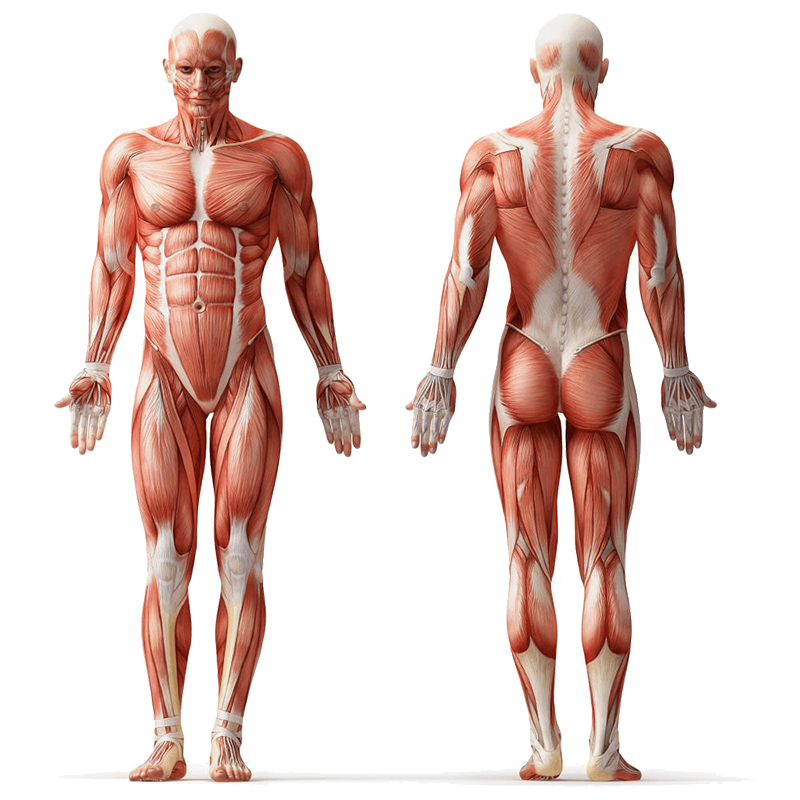
Exercise Profile

Target Muscles:

Triceps

Secondary Muscles:

None

Exercise Type:

Strength

Equipment:

Bench, Dumbbells

Difficulty:

Beginner

Mechanics:

Isolation
Muscle Anatomy

The Dumbbell Tricep Kickback is an isolation exercise that effectively targets the triceps brachii (the large muscle on the back of the upper arm), helping to build strength and definition. This movement involves extending the arm behind the body while keeping the upper arm stationary, making it an excellent exercise for improving arm endurance and overall upper body stability. Performed with one hand and knee resting on a bench, this exercise minimizes unnecessary body movement, allowing for strict form and maximum triceps activation.

Ideal for individuals at a beginner fitness level, the Dumbbell Tricep Kickback requires only a dumbbell and a flat bench, making it a convenient addition to any workout routine. Unlike compound movements that engage multiple muscle groups, this isolation exercise specifically strengthens the triceps, which are essential for pressing movements such as bench presses and push-ups. By incorporating this exercise into your routine, you can enhance upper body strength, improve muscle definition, and contribute to better performance in both resistance training and daily functional movements.

To maximize results, it is crucial to maintain proper form by keeping the upper arm stationary and avoiding momentum. A controlled range of motion ensures optimal triceps engagement while minimizing strain on the shoulder and elbow joints. Whether you are looking to refine arm definition or increase strength for pressing exercises, the Dumbbell Tricep Kickback is a valuable addition to your training regimen.

In the following sections, we will provide step-by-step instructions, form tips, key benefits, and common mistakes to avoid to help you perform the Dumbbell Tricep Kickback effectively and safely.

Step-by-Step Instructions

  1. Place a dumbbell on the left side of a flat bench.
  2. Position yourself on the left side of the bench with your right knee and right hand resting on the bench for support.
  3. With a neutral grip, pick up the dumbbell with your left hand, keeping your back straight and eyes facing forward.
  4. Tuck your left upper arm close to your torso, bending at the elbow to form a 90-degree angle between your upper arm and forearm. This is your starting position.
  5. Keeping your upper arm stationary, extend your elbow to raise the dumbbell straight back until your arm is fully extended and parallel to the floor.
  6. Pause briefly at the top of the movement, focusing on contracting the triceps.
  7. Slowly lower the dumbbell back to the starting position with controlled movement.
  8. Complete the desired number of repetitions, then switch to the right arm and repeat the process.

Tips for Proper Form

  • Maintain a straight back throughout the exercise to prevent strain and ensure proper alignment.
  • Keep your head up and eyes forward to help maintain balance and posture.
  • Engage your core muscles to stabilize your body and prevent unnecessary movement.
  • Avoid swinging the dumbbell; use controlled movements to maximize triceps engagement.
  • Ensure your upper arm remains stationary and close to your body; only the forearm should move during the exercise.
  • Breathe steadily: exhale as you extend the arm and inhale as you return to the starting position.

Common Mistakes to Avoid

  • Allowing the upper arm to move away from the torso, which reduces the effectiveness of the exercise.
  • Using momentum to lift the weight, leading to reduced muscle engagement and potential injury.
  • Arching or rounding the back, which can cause lower back strain.
  • Choosing a weight that is too heavy, compromising form and increasing injury risk.
  • Neglecting to pause at the top of the movement, missing the peak contraction of the triceps.
  • Failing to keep the wrist in a neutral position, which can lead to discomfort or injury.

Dumbbell Tricep Kickback Benefits

  • Isolates and strengthens the triceps, enhancing upper arm definition and strength.
  • Improves shoulder stability by engaging supporting muscles during the movement.
  • Enhances functional fitness, aiding in daily activities that involve pushing or lifting.
  • Balances upper arm musculature, complementing biceps training for overall arm development.
  • Requires minimal equipment, making it accessible for home workouts or gyms with limited resources.
  • Offers versatility with variations, such as performing the exercise without a bench or using cables for different resistance profiles.

Summary

The Dumbbell Tricep Kickback is an effective isolation exercise targeting the triceps, essential for building upper arm strength and improving functional movement. By maintaining proper form and incorporating this exercise into your routine, you can achieve balanced arm development and enhanced upper body stability.

FAQs

How often should I perform Dumbbell Tricep Kickbacks?

Incorporate this exercise into your upper body or arm workouts 1–2 times per week, allowing adequate rest between sessions.

Can I perform this exercise without a bench?

Yes, you can perform the kickback in a bent-over standing position, ensuring your back remains straight and parallel to the floor.

What is the recommended weight to start with?

Begin with a light weight, such as 5 to 10 pounds, focusing on proper form before gradually increasing the load as your strength improves.

Is this exercise suitable for beginners?

Yes, the Dumbbell Tricep Kickback is appropriate for beginners due to its simplicity and effectiveness in isolating the triceps.

Can I perform this exercise with both arms simultaneously?

While possible, performing the exercise one arm at a time allows for better focus on form and reduces the risk of imbalance or strain.

What should I do if I experience discomfort in my elbow during the exercise?

Discontinue the exercise and consult with a fitness professional or healthcare provider to assess your form and determine any underlying issues.

Disclaimer: It’s important to keep in mind that not all exercises are suitable for everyone. Before trying out a new exercise, it’s crucial to consider factors such as your flexibility, strength, and overall health to determine whether or not the exercise is appropriate for you. Like any exercise, there is inherent danger associated with it and it can potentially cause personal injury. It’s solely the responsibility of the exerciser to bear any injury sustained from the proper or improper use of this exercise. World Fitness.Online and its partners cannot be held liable for any injury that occurs as a result of using this exercise and it’s strongly advised that you seek guidance from a professional healthcare provider before attempting any exercise or exercise program.
Facebook
Twitter
LinkedIn
Scroll to Top