
Dumbbell Side Bend

Video Demo, Instructions, Proper Form Tips, Common Mistakes, Benefits and FAQs
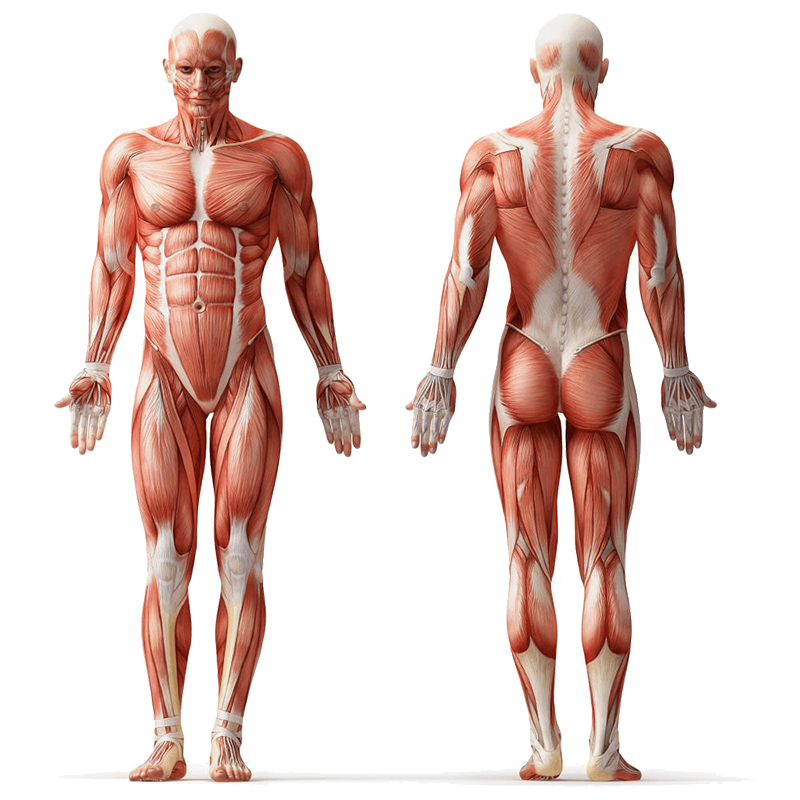
Exercise Profile

Target Muscles:

Obliques

Secondary Muscles:

Abdominals

Exercise Type:

Strength

Equipment:

Dumbbells

Difficulty:

Beginner to Intermediate

Mechanics:

Isolation
Muscle Anatomy

The Dumbbell Side Bend, also known as the Dumbbell Oblique Bend, is a classic core-strengthening exercise that focuses on building and defining the oblique muscles along the sides of your torso. This isolation movement uses a dumbbell for resistance and is particularly effective for enhancing core stability, balance, and symmetry. While simple in design, it offers a targeted burn that helps sculpt the waistline and improve functional movement in everyday activities. Whether you’re just starting your fitness journey or looking to fine-tune your core, the Dumbbell Side Bend is a great addition to your strength routine.

Safety Considerations

Before performing Dumbbell Side Bends, ensure you warm up thoroughly to activate your core and loosen up your spine and shoulders. Stand with a stable base and engage your core throughout the movement to protect your lower back. Avoid excessive weight, which can cause strain or improper form. Maintain slow, controlled motion, and don’t lean too far to the side.

Note: Consult a fitness professional or healthcare provider if you have pre-existing back or abdominal conditions or experience discomfort during the exercise.

Step-by-Step Instructions

Follow these steps to perform the Dumbbell Side Bend with proper form.

  1. Stand upright with your feet shoulder-width apart, holding a dumbbell in one hand with your arm hanging naturally at your side.
  2. Place your free hand on your hip or behind your head for balance.
  3. Keep your back straight and your core engaged.
  4. Slowly bend at your waist toward the side holding the dumbbell, lowering it toward the floor as far as comfortable without twisting your torso.
  5. Pause briefly at the bottom of the movement to feel the stretch in your opposite side.
  6. Use your oblique muscles to return to the starting position in a controlled manner.
  7. Repeat the movement for the desired number of repetitions, then switch sides.

Tips for Proper Form

Keep these form tips in mind to ensure you maximize results while minimizing risk.

  • Engage your core throughout the exercise for stability and protection.
  • Avoid using momentum; perform each rep slowly and deliberately.
  • Keep your shoulders square and avoid twisting or rotating the torso.
  • Do not lean forward or backward; movement should occur only in the frontal plane.
  • Hold the dumbbell close to your thigh for better control.
  • Breathe naturally — exhale as you bend, inhale as you return upright.

Common Mistakes to Avoid

Steer clear of these common errors to maintain form and prevent injury.

  • Using too much weight, which can strain your back and reduce range of motion.
  • Leaning too far to the side, causing unnecessary pressure on your spine.
  • Twisting the torso instead of bending directly to the side.
  • Rushing the movement instead of maintaining control.
  • Neglecting to engage the core, leading to instability.
  • Performing the exercise unevenly between sides, causing muscular imbalance.

Primary Benefits

Here’s what makes the Dumbbell Side Bend a valuable exercise for your core training.

  • Targets and strengthens the oblique muscles.
  • Improves lateral stability and core balance.
  • Enhances posture and spinal alignment.
  • Aids in waistline definition and core aesthetics.
  • Supports functional movements like twisting, reaching, and bending.
  • Can be done anywhere with minimal equipment.

Regressions

If you’re new to core training, try these easier variations.

  • Perform the exercise without a dumbbell to focus on form.
  • Reduce the range of motion to maintain control.
  • Use lighter dumbbells for better technique.
  • Perform seated side bends for added stability.
  • Hold onto a wall or sturdy object for balance.
  • Engage the core without bending to practice activation.

Progressions

Once you’ve mastered the basic movement, challenge yourself with these progressions.

  • Use heavier dumbbells to increase resistance.
  • Perform the movement on one leg to improve balance and coordination.
  • Add a pause at the bottom to increase time under tension.
  • Do alternating side bends without resting between sides.
  • Perform the exercise while seated on a stability ball to engage more core muscles.
  • Incorporate the movement into a superset with other core exercises like Russian twists or planks.

Summary

The Dumbbell Side Bend is a simple yet powerful isolation exercise for strengthening and defining the oblique muscles. By incorporating it into your core routine, you can improve balance, stability, and posture while developing a more sculpted waistline. Focus on proper form, controlled motion, and progressive overload for the best results. Consistency and mindful execution are key to unlocking the full benefits of this classic oblique exercise.

FAQs

Here are some frequently asked questions about Dumbbell Side Bends to help you perform them confidently.

How heavy should my dumbbell be for side bends?

Start with a light weight that allows you to perform 10–15 controlled reps without straining. Gradually increase as your strength improves.

Can I do Dumbbell Side Bends every day?

It’s best to give your core muscles at least 48 hours of rest between sessions for recovery and growth.

Do Dumbbell Side Bends reduce love handles?

They help tone and strengthen the obliques, but overall fat reduction requires a balanced diet and regular cardio.

Is this exercise safe for people with back pain?

It can be safe when done with proper form and light weight, but consult a healthcare provider before attempting if you have back issues.

Should I do Dumbbell Side Bends on both sides?

Yes, perform an equal number of reps on each side to maintain muscle balance.

What’s a good rep range for this exercise?

Aim for 2–3 sets of 10–15 reps per side for general core strengthening.

Disclaimer: It’s important to keep in mind that not all exercises are suitable for everyone. Before trying out a new exercise, it’s crucial to consider factors such as your flexibility, strength, and overall health to determine whether or not the exercise is appropriate for you. Like any exercise, there is inherent danger associated with it and it can potentially cause personal injury. It’s solely the responsibility of the exerciser to bear any injury sustained from the proper or improper use of this exercise. World Fitness.Online and its partners cannot be held liable for any injury that occurs as a result of using this exercise and it’s strongly advised that you seek guidance from a professional healthcare provider before attempting any exercise or exercise program.
Facebook
Twitter
LinkedIn
Scroll to Top