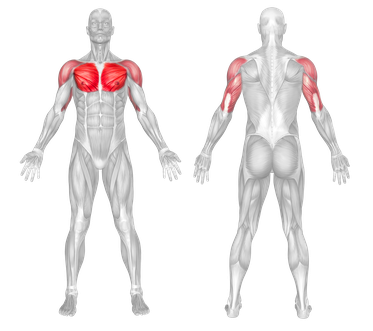
The Dumbbell Incline Fly, also known as the Incline Dumbbell Flye, is a popular exercise aimed at targeting the upper portion of the pectoral muscles. This movement involves lying on an incline bench and performing a fly motion with dumbbells, which helps in isolating the chest muscles while also engaging the shoulders and triceps. It's a fantastic addition to any upper body workout routine, especially for those looking to enhance the definition and strength of their upper chest. This exercise is particularly beneficial for improving shoulder stability and overall upper body strength. Equipment required includes an incline bench and a pair of dumbbells.
Dumbbell Incline Fly Step-by-Step Instructions
- Set an incline bench to an angle of 30-45 degrees and sit down with a dumbbell in each hand, resting on your thighs.
- Lie back on the bench, bringing the dumbbells up to shoulder height using your thighs.
- Hold the dumbbells with a neutral grip (palms facing each other) and extend your arms above your chest.
- Maintain a slight bend in your elbows and slowly lower the dumbbells out to the sides in a wide arc until you feel a stretch in your chest.
- Pause briefly at the bottom of the movement, then bring the dumbbells back to the starting position by squeezing your chest muscles.
- Repeat for the desired number of repetitions.
Dumbbell Incline Fly, Tips for Proper Form
- Ensure your feet are flat on the ground to maintain stability throughout the exercise.
- Keep a slight bend in your elbows to avoid putting unnecessary stress on your joints.
- Perform the movement in a controlled manner, focusing on the stretch and contraction of the chest muscles.
- Avoid lifting too heavy, which can compromise your form and reduce the effectiveness of the exercise.
- Breathe in as you lower the dumbbells and breathe out as you bring them back to the starting position.
- Do not allow the dumbbells to touch at the top of the movement; keep tension on the chest muscles by stopping just short of full contact.
Dumbbell Incline Fly Benefits
- Effectively targets the upper portion of the chest muscles.
- Enhances chest strength and muscle definition.
- Improves shoulder stability and mobility.
- Engages the core muscles for added stability and balance.
- Can be modified for different fitness levels by adjusting the weight of the dumbbells.
- Helps correct postural issues by promoting better upper back engagement.
Dumbbell Incline Fly Common Mistakes to Avoid
- Lifting too heavy, which can lead to improper form and increased risk of injury.
- Allowing your elbows to bend too much, which shifts the focus away from the chest to the biceps.
- Not lowering the dumbbells fully, which reduces the range of motion and the effectiveness of the exercise.
- Arching your back excessively, which can strain your lower back and reduce chest engagement.
- Performing the movement too quickly, which can compromise muscle activation and control.
- Neglecting to warm up properly, which can increase the risk of muscle strain or injury.
Dumbbell Incline Fly Summary
The Dumbbell Incline Fly is an excellent exercise for targeting the upper chest muscles, enhancing muscle definition, and improving overall upper body strength. By performing this exercise with proper form and avoiding common mistakes, you can maximize its benefits, including increased chest strength, shoulder stability, and better posture. Adjusting the weight and incline angle can help tailor the exercise to your fitness level.
Dumbbell Incline Fly FAQs
How often should I perform the Dumbbell Incline Fly?
It is recommended to include this exercise in your chest workout 2-3 times per week, allowing for rest days in between to facilitate muscle recovery.
Can beginners perform the Dumbbell Incline Fly?
Yes, beginners can perform this exercise by starting with lighter weights and gradually increasing the load as they become more comfortable with the movement.
What muscles does the Dumbbell Incline Fly target?
This exercise primarily targets the upper portion of the chest muscles (pectoralis major), and also engages the shoulders (anterior deltoids) and triceps.
Is it necessary to use an incline bench for this exercise?
Using an incline bench specifically targets the upper chest. While flat or decline bench variations exist, they emphasize different parts of the chest.
Can this exercise help improve shoulder stability?
Yes, the controlled movement of the Dumbbell Incline Fly helps improve shoulder stability and mobility.
What are some variations of the Dumbbell Incline Fly?
Variations include the One Arm Incline Fly, Incline Dumbbell Twist Fly, and Dumbbell Incline Chest Fly on a Stability Ball, each targeting the chest muscles from different angles and adding variety to your routine.