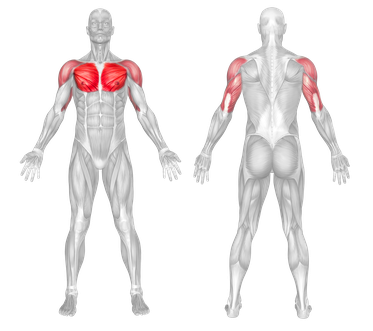
The Dumbbell Incline Bench Press is a popular exercise designed to target the upper portion of the pectoral muscles (pectoralis major) with added emphasis on the shoulders (deltoids) and triceps. This exercise is a staple in many strength training and bodybuilding routines due to its effectiveness in developing upper chest strength and muscle mass. Known also as the Incline Dumbbell Press, it is a variation of the traditional flat bench press, performed on an incline bench to alter the angle of the lift, thereby shifting the emphasis to the upper chest.
The mechanics of the exercise categorize it as a compound movement, engaging multiple muscle groups and joints simultaneously. The equipment required includes an adjustable bench set to an incline (usually between 30-45 degrees) and a pair of dumbbells. Suitable for intermediate to advanced exercisers, the Dumbbell Incline Bench Press is essential for those aiming to enhance their upper body strength and definition.
Dumbbell Incline Bench Press Step-by-Step Instructions
- Adjust an incline bench to a 30-45 degree angle and sit on the bench with your feet flat on the floor.
- Hold a dumbbell in each hand with an overhand grip (palms facing forward) and rest them on your thighs.
- Lie back on the bench and use your thighs to help lift the dumbbells up to shoulder height, elbows bent at a 90-degree angle.
- Position the dumbbells so that they are just outside your shoulders, with your upper arms parallel to the floor.
- Press the dumbbells upward by extending your elbows, bringing the weights together at the top of the movement. Ensure your arms are fully extended but not locked out.
- Pause briefly at the top of the movement, then slowly lower the dumbbells back to the starting position, maintaining control throughout the descent.
- Repeat for the desired number of repetitions.
Dumbbell Incline Bench Press, Tips for Proper Form
- Maintain a firm grip on the dumbbells to ensure control throughout the exercise.
- Keep your shoulder blades retracted and pressed against the bench to provide a stable base for the lift.
- Engage your core muscles to support your lower back and maintain proper alignment.
- Avoid flaring your elbows out too wide; keep them at about a 45-degree angle to your torso to reduce shoulder strain.
- Use a full range of motion by lowering the dumbbells until your upper arms are parallel to the floor.
- Exhale as you press the dumbbells up and inhale as you lower them down to synchronize your breathing with the movement.
Dumbbell Incline Bench Press Benefits
- Enhances upper chest development, contributing to a fuller and more defined pectoral region.
- Engages multiple muscle groups, including the shoulders and triceps, for a comprehensive upper body workout.
- Improves shoulder stability and strength due to the incline angle and independent arm movement.
- Promotes muscle symmetry and balance by allowing each side of the body to work independently.
- Can help prevent and correct muscle imbalances that might develop from overemphasis on flat bench pressing.
- Offers versatility in training by allowing for variations in grip, incline angle, and weight used.
Dumbbell Incline Bench Press Common Mistakes to Avoid
- Setting the bench at too steep an incline, which shifts the emphasis away from the chest to the shoulders excessively.
- Allowing the dumbbells to drift apart at the top of the movement, reducing the effectiveness of the exercise.
- Using excessive weight, which can compromise form and increase the risk of injury.
- Arching the lower back excessively to lift the weights, which places unnecessary strain on the spine.
- Neglecting to retract the shoulder blades, leading to shoulder instability and potential injury.
- Performing the exercise too quickly, reducing time under tension and limiting muscle engagement.
Dumbbell Incline Bench Press Summary
The Dumbbell Incline Bench Press is an effective compound exercise that targets the upper chest, shoulders, and triceps. Performing this exercise with proper form enhances upper body strength, muscle balance, and shoulder stability. Incorporating the Dumbbell Incline Bench Press into your routine can prevent muscle imbalances and promote a well-rounded physique.
Dumbbell Incline Bench Press FAQs
How often should I perform the Dumbbell Incline Bench Press?
For optimal results, include the Dumbbell Incline Bench Press in your upper body or chest workout routine 1-2 times per week, allowing adequate rest between sessions.
What is the ideal incline angle for the Dumbbell Incline Bench Press?
An incline angle of 30-45 degrees is recommended to effectively target the upper chest without overloading the shoulders.
Can beginners perform the Dumbbell Incline Bench Press?
While the exercise is suitable for intermediate to advanced lifters, beginners can start with lighter weights and gradually increase the load as they gain strength and confidence.
How can I vary the Dumbbell Incline Bench Press?
Variations include changing the grip (neutral or reverse), adjusting the incline angle, or performing single-arm presses to challenge stability and muscle engagement.
What are the benefits of using dumbbells over a barbell for the incline press?
Dumbbells allow for a greater range of motion, promote muscle balance by working each arm independently, and reduce the risk of shoulder impingement.
How should I breathe during the Dumbbell Incline Bench Press?
Exhale as you press the dumbbells upward and inhale as you lower them to maintain proper breathing and control.