
Dumbbell Hammer Curl

Video Demo, Instructions, Proper Form Tips, Common Mistakes, Benefits and FAQs
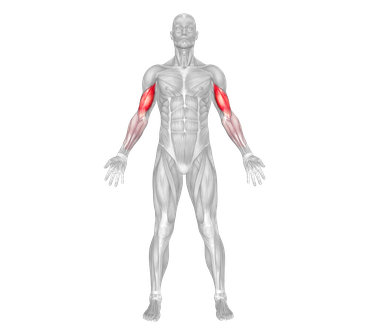
Exercise Profile

Target Muscles:

Biceps

Secondary Muscles:

Forearms

Exercise Type:

Strength

Equipment:

Dumbbells

Difficulty:

Beginner to Advanced

Mechanics:

Isolation
Bicep Primary Target Muscle

The Dumbbell Hammer Curl is a highly effective exercise aimed at strengthening and enlarging the biceps and forearms. Also known as the Hammer Curl, this exercise primarily targets the brachioradialis (forearm muscle) and the brachialis (located underneath the biceps brachii), providing a comprehensive workout for arm development.

It's an isolation exercise, meaning it focuses on one specific muscle group and involves a single joint movement. This makes it an excellent choice for those looking to improve muscle size and strength in their arms. The exercise is classified under strength training and is suitable for all experience levels from beginners to advanced athletes. The only equipment required for this exercise is a pair of dumbbells. Hammer Curls are particularly beneficial for enhancing grip strength and overall upper-body muscular balance.

Dumbbell Hammer Curl Step-by-Step Instructions

  1. Stand with your feet shoulder-width apart, holding a dumbbell in each hand with your palms facing your thighs (neutral grip).
  2. Keep your elbows close to your torso and ensure your back is straight with your core engaged.
  3. Exhale as you curl the dumbbells towards your shoulders by bending your elbows. Make sure your upper arms remain stationary.
  4. Pause for a moment at the top of the curl, squeezing your biceps and forearms.
  5. Inhale as you slowly lower the dumbbells back to the starting position, maintaining control throughout the descent.
  6. Repeat for the desired number of repetitions, ensuring you maintain proper form throughout.

Tips for Proper Form

  • Keep your wrists in a neutral position to reduce stress on your elbow and shoulder joints.
  • Avoid swinging the weights; maintain a controlled movement throughout the exercise.
  • Engage your core to stabilize your torso and prevent any swaying.
  • Ensure your elbows remain close to your body and do not flare out.
  • Focus on a slow, controlled descent to maximize muscle engagement.
  • Use a weight that allows you to complete the set with proper form without compromising your technique.

Benefits

  • Increases bicep and forearm size and strength, leading to more defined and muscular arms.
  • Enhances grip strength, beneficial for various lifting exercises and daily activities.
  • Reduces the risk of injury to the wrists and elbows due to the neutral grip position.
  • Improves muscular balance and symmetry in the upper body.
  • Helps prevent common issues such as elbow and wrist strain associated with traditional bicep curls.
  • Easy to perform with minimal equipment, making it accessible for home workouts and gym settings.

Common Mistakes to Avoid

  • Swinging the weights using momentum instead of controlled muscle contractions.
  • Allowing the elbows to drift away from the torso, which reduces the effectiveness of the exercise.
  • Using excessively heavy weights that compromise form and increase injury risk.
  • Not engaging the core, leading to a swaying torso and potential back strain.
  • Rushing through the reps without focusing on the contraction and controlled release.
  • Neglecting to breathe properly, which can affect performance and stability.

Summary

The Dumbbell Hammer Curl is an essential exercise for anyone looking to build strong, defined arms. By targeting the biceps, brachialis, and brachioradialis, it enhances muscle size, strength, and grip. Proper form is crucial to maximize benefits and avoid common mistakes. This exercise is suitable for all fitness levels and can be easily incorporated into any strength training regimen.

FAQs

How often should I perform Dumbbell Hammer Curls?

It is recommended to include Hammer Curls in your arm training routine 2-3 times a week, ensuring you have rest days in between to allow for muscle recovery.

Can I perform Hammer Curls if I have wrist pain?

Yes, the neutral grip of Hammer Curls reduces stress on the wrists, making it a good option for those with wrist discomfort. However, always consult a physician if you have ongoing pain.

What variations can I try for Hammer Curls?

Variations include Alternating Hammer Curls, Seated Hammer Curls, Cross-Body Hammer Curls, and Rope Hammer Curls. These variations can target different muscle areas and add variety to your workouts.

Do Hammer Curls work the same muscles as traditional bicep curls?

Hammer Curls focus more on the brachialis and brachioradialis muscles, whereas traditional bicep curls primarily target the biceps brachii. Both exercises are beneficial and can be included in a balanced arm workout.

What is the best rep range for Hammer Curls?

Performing 3 sets of 8-12 repetitions is ideal for muscle growth. Adjust the weight to ensure you can complete the reps with proper form.

Can Hammer Curls improve my grip strength?

Yes, Hammer Curls are excellent for improving grip strength due to the engagement of the forearm muscles during the exercise.

Disclaimer: It’s important to keep in mind that not all exercises are suitable for everyone. Before trying out a new exercise, it’s crucial to consider factors such as your flexibility, strength, and overall health to determine whether or not the exercise is appropriate for you. Like any exercise, there is inherent danger associated with it and it can potentially cause personal injury. It’s solely the responsibility of the exerciser to bear any injury sustained from the proper or improper use of this exercise. World Fitness.Online and its partners cannot be held liable for any injury that occurs as a result of using this exercise and it’s strongly advised that you seek guidance from a professional healthcare provider before attempting any exercise or exercise program.
Facebook
Twitter
LinkedIn
Scroll to Top