
Dumbbell Goblet Wall Sit

Video Demo, Instructions, Proper Form Tips, Common Mistakes, Benefits and FAQs
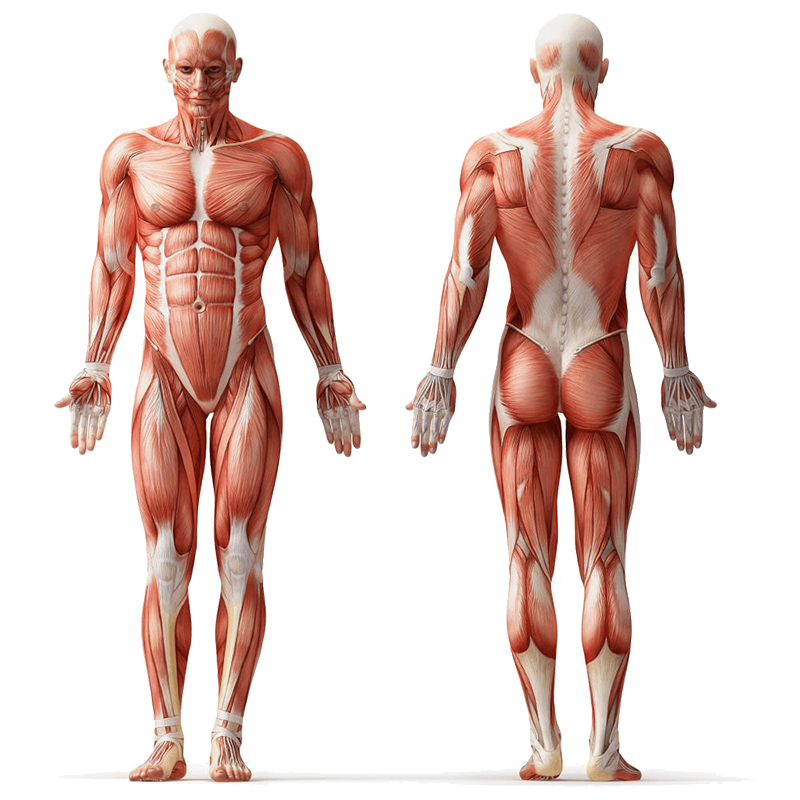
Exercise Profile

Target Muscles:

Quads

Secondary Muscles:

Glutes, Hamstrings, Core

Exercise Type:

Strength

Equipment:

Dumbbells

Difficulty:

Intermediate

Mechanics:

Compound
Muscle Anatomy

The Dumbbell Goblet Wall Sit is an isometric strength exercise that primarily targets the quadriceps (front thigh muscles) while also engaging the gluteus maximus (buttocks), hamstrings (back thigh muscles), and core muscles for stabilization. This movement involves holding a dumbbell in a goblet position—gripped vertically with both hands at chest level—while performing a wall sit, where you slide down a wall until your thighs are parallel to the floor and hold the position. Suitable for individuals with an intermediate experience level, the Dumbbell Goblet Wall Sit requires minimal equipment, making it accessible for both gym and home workouts. Incorporating this exercise into your routine can enhance lower body strength, muscular endurance, and improve posture by engaging the core and maintaining an upright torso.

Unlike dynamic exercises, the isometric nature of the Dumbbell Goblet Wall Sit involves holding a static position, which increases time under tension for the targeted muscles, leading to improved muscular endurance and strength. The addition of the goblet-held dumbbell intensifies the exercise by adding resistance, further challenging the lower body and core. This exercise is particularly beneficial for those looking to increase quadriceps strength without placing excessive stress on the knee joints, as the static hold minimizes joint movement.

Before attempting the Dumbbell Goblet Wall Sit, ensure you have mastered the basic wall sit and possess adequate core strength to maintain stability throughout the movement. A thorough warm-up focusing on the lower body and core is recommended to prepare the muscles and joints for the exercise. Always prioritize proper form over holding heavier weights to prevent strain or injury.

In the following sections, we will provide detailed step-by-step instructions, tips for maintaining proper form, discuss the benefits of the Dumbbell Goblet Wall Sit, highlight common mistakes to avoid, and address frequently asked questions to offer a comprehensive understanding of this exercise.

By mastering the Dumbbell Goblet Wall Sit, you can enhance your lower body strength and contribute to a balanced and functional physique.

*Note: If you have any pre-existing knee or hip conditions or experience discomfort during the exercise, consult with a fitness professional or healthcare provider before continuing.*

Step-by-Step Instructions

  1. Stand with your back flat against a sturdy wall, feet shoulder-width apart, and positioned about 2 feet away from the wall.
  2. Hold a dumbbell vertically at chest level with both hands, gripping it by one end in a goblet position.
  3. Engage your core muscles and slowly slide your back down the wall by bending your knees, lowering your body until your thighs are parallel to the floor and your knees form a 90-degree angle directly above your ankles.
  4. Ensure your back remains in full contact with the wall, and your head, upper back, and hips are aligned against it.
  5. Maintain this seated position, keeping the dumbbell steady at chest level, and hold for the desired duration, starting with 15–30 seconds and gradually increasing as your strength improves.
  6. To conclude, press through your heels and slide your back up the wall to return to a standing position, maintaining control throughout the movement.
  7. Perform the exercise for the recommended number of sets, typically 2–3, with adequate rest between sets.

Tips for Proper Form

  • Begin with a lighter dumbbell to focus on mastering proper form before progressing to heavier weights.
  • Keep your feet flat on the floor, ensuring your knees are directly above your ankles to prevent undue stress on the joints.
  • Engage your core muscles throughout the exercise to maintain stability and support your lower back.
  • Maintain an upright posture with your back, shoulders, and head pressed against the wall to ensure proper alignment.
  • Breathe steadily: inhale deeply through your nose and exhale through your mouth, avoiding breath-holding during the hold.
  • Focus on distributing your weight evenly across both feet to maintain balance and prevent muscle imbalances.

Common Mistakes to Avoid

  • Allowing your knees to extend beyond your toes, which can increase stress on the knee joints.
  • Letting your knees collapse inward; instead, keep them aligned with your toes to maintain proper joint alignment.
  • Arching or rounding your back away from the wall, which can lead to poor posture and potential back strain.
  • Holding the dumbbell away from your chest, causing unnecessary strain on your arms and shoulders.
  • Placing your feet too close to the wall, resulting in an insufficient knee angle and reduced effectiveness of the exercise.
  • Neglecting to engage the core muscles, leading to decreased stability and potential lower back discomfort.

Dumbbell Goblet Wall Sit Benefits

  • Enhances quadriceps strength and endurance, contributing to improved performance in activities like running and jumping.
  • Engages the gluteus maximus and hamstrings, promoting balanced lower body development.
  • Strengthens core muscles, aiding in better posture and overall stability.
  • Provides a low-impact exercise option, reducing stress on knee and hip joints while effectively building strength.
  • Improves muscular endurance, enabling better performance in prolonged physical activities.
  • Requires minimal equipment and space, making it convenient for home workouts or limited gym settings.

Summary

The Dumbbell Goblet Wall Sit is an effective isometric exercise that targets the quadriceps, glutes, hamstrings, and core muscles. By incorporating this movement into your fitness routine, you can enhance lower body strength, improve muscular endurance, and promote better posture. Prioritizing proper form and gradually increasing the duration and resistance will yield optimal results.

FAQs

How often should I include the Dumbbell Goblet Wall Sit in my routine?

Perform this exercise 2–3 times per week as part of a lower body or full-body strength training program.

Is the Dumbbell Goblet Wall Sit suitable for beginners?

Beginners can start with a bodyweight wall sit before adding a light dumbbell in a goblet hold to gradually build strength and endurance.

How long should I hold the Dumbbell Goblet Wall Sit?

A good starting point is 15–30 seconds, gradually increasing to 45–60 seconds as endurance improves.

Can I use a kettlebell instead of a dumbbell?

Yes, a kettlebell can be held in the same goblet position, providing a similar training effect.

What should I do if I experience knee pain?

Stop the exercise and consult a fitness professional. Ensure that your knees are aligned with your ankles and not extending too far forward.

How many sets should I perform?

A recommended starting point is 2–3 sets, increasing as your strength and endurance improve.

Disclaimer: It’s important to keep in mind that not all exercises are suitable for everyone. Before trying out a new exercise, it’s crucial to consider factors such as your flexibility, strength, and overall health to determine whether or not the exercise is appropriate for you. Like any exercise, there is inherent danger associated with it and it can potentially cause personal injury. It’s solely the responsibility of the exerciser to bear any injury sustained from the proper or improper use of this exercise. World Fitness.Online and its partners cannot be held liable for any injury that occurs as a result of using this exercise and it’s strongly advised that you seek guidance from a professional healthcare provider before attempting any exercise or exercise program.
Facebook
Twitter
LinkedIn
Scroll to Top