
Dumbbell Curls
Video Demo, Instructions, Proper Form Tips, Common Mistakes, Benefits and FAQs
Video Demo, Instructions, Proper Form Tips, Common Mistakes, Benefits and FAQs
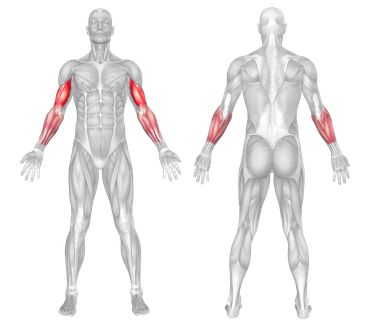
The Dumbbell Curls, often called the Biceps Curls or simply “Dumbbell Biceps Curls,” is a classic isolation strength exercise designed to sculpt and strengthen the biceps brachii (biceps) while also engaging the brachialis (under-biceps) and brachioradialis (forearm) muscles for stability and power. Performed by standing tall with a dumbbell in each hand and curling the weight toward the shoulder, this movement zeroes in on elbow flexion, making it perfect for beginners through intermediate trainees looking to build arm muscle and definition.
All you need is a pair of dumbbells, making it a versatile choice for home workouts or fully equipped gyms. Unlike compound pulling movements, this exercise isolates the front of the arm, allowing you to dial in on peak contraction and mind–muscle connection. Its straightforward mechanics make it accessible for those new to strength training, yet it offers ample room for progression through variations in weight, grip, and bench angle.
Always warm up your elbows, wrists, and shoulders before heavy arm work. Ensure you’re in a stable standing position with feet hip-width apart to avoid wobbling. Begin each curl with a slight bend in the elbow to preload the biceps and protect the joint from hyperextension. Keep the torso upright—avoid leaning back or swinging—to reduce lower-back strain. Control the weight throughout both lifting and lowering phases; do not let gravity drop the dumbbell.
Note: Consult a fitness professional or healthcare provider if you have pre-existing conditions or experience discomfort during the exercise.
Follow these steps to execute the standing Dumbbell Curl with proper form and control:
These instructions emphasize joint alignment, breathing rhythm, and tension in the target muscles for optimal results .
Implement these pointers to keep your form tight and maximize biceps engagement:
These tips help safeguard the elbow joint and ensure the biceps bear the brunt of the work.
Watch out for these errors that can reduce effectiveness or increase injury risk:
Address these by lowering the weight, slowing down the movement, and focusing on muscle control.
Regularly incorporating Dumbbell Curls yields a variety of fitness gains:
When the standard curl is too challenging, consider these simpler alternatives:
To intensify the curl, try these advanced variations:
Dumbbell Curls are a fundamental isolation move that zero in on the biceps for growth, strength, and definition. By standing with dumbbells and flexing at the elbows through a controlled arc, you effectively engage the biceps brachii, brachialis, and forearm muscles. Focus on strict form—no swinging or wrist bending—paired with deliberate breathing and an appropriate tempo. Whether you’re new to lifting or an experienced gym-goer, the Dumbbell Curl offers a scalable path from lighter weights and seated alternatives up to bench-supported or incline variations, making it a staple for any arm-building routine.
Aim for 3–4 sets of 8–12 reps, adjusting weight so the last few reps are challenging but doable with good form.
Include biceps work 1–2 times per week, allowing at least 48 hours of recovery between sessions.
Standing curls engage core stabilizers, while seated curls isolate the biceps further—both are valuable depending on your goals.
Yes, rotating the wrists to face upward at the peak can increase peak contraction of the long head of the biceps.
Ensure you’re not locking out at the bottom, use lighter weights, and consider switching to a neutral-grip hammer curl to ease joint stress.
Absolutely—extending fully benefits tendon health, while curling to shoulder height maximizes muscle activation.