
Dumbbell Burpee
Video Demo, Instructions, Proper Form Tips, Common Mistakes, Benefits and FAQs
Video Demo, Instructions, Proper Form Tips, Common Mistakes, Benefits and FAQs
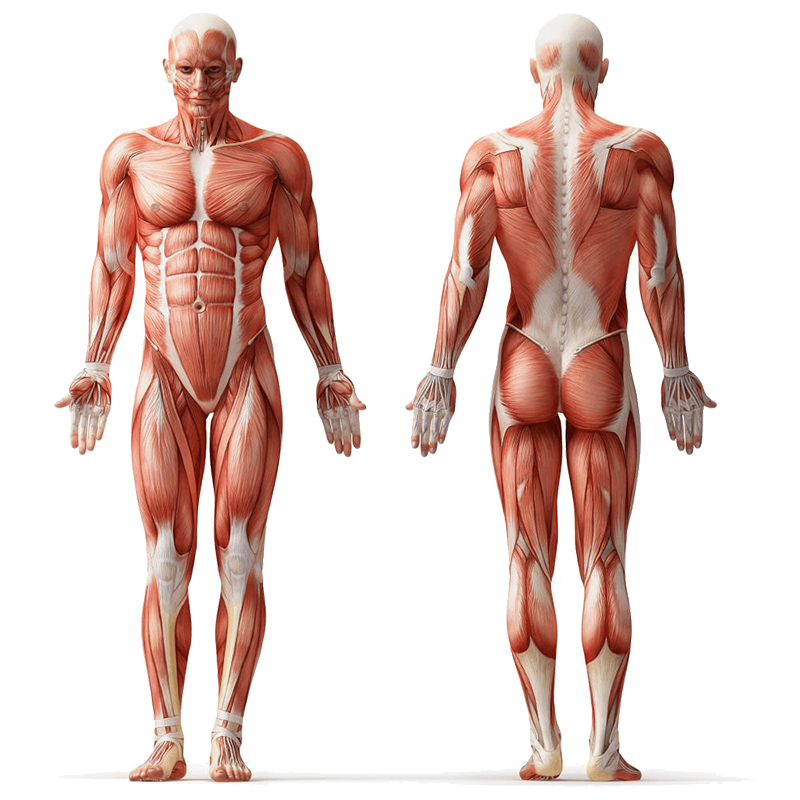
The Dumbbell Burpee is a dynamic, full-body exercise that combines strength training with cardiovascular conditioning. This movement integrates a squat, plank, and jump, all while holding dumbbells, thereby enhancing muscle engagement and intensity. Primarily targeting the quadriceps (front thigh muscles) and gluteus maximus (buttocks), it also engages the hamstrings (back thigh muscles), shoulders (deltoids), chest (pectoralis major), triceps, calves, and core muscles, offering a comprehensive workout.
As a compound exercise, the Dumbbell Burpee involves multiple joints and muscle groups, promoting functional strength and improved coordination. Suitable for individuals with an intermediate to advanced fitness level, this exercise requires a pair of dumbbells and adequate space to perform the movements safely. Incorporating Dumbbell Burpees into your routine can elevate heart rate, enhance muscular endurance, and contribute to overall athletic performance.
Unlike traditional burpees, the addition of dumbbells increases resistance, thereby intensifying the workout and promoting greater strength gains. This variation also reduces the impact on the wrists by allowing a neutral grip on the dumbbells during the plank position. The Dumbbell Burpee can be modified to suit different fitness levels by adjusting the weight of the dumbbells or altering the speed of execution. Before attempting this exercise, ensure proficiency in standard burpees and foundational strength training movements. A thorough warm-up focusing on the lower body, upper body, and core is recommended to prepare the muscles and joints for the exercise. Always prioritize proper form over speed or heavier weights to prevent strain or injury.
In the following sections, we will provide detailed step-by-step instructions, tips for maintaining proper form, discuss the benefits of the Dumbbell Burpee, highlight common mistakes to avoid, and address frequently asked questions to offer a comprehensive understanding of this exercise.
By mastering the Dumbbell Burpee, you can enhance your cardiovascular fitness, build muscular endurance, and contribute to a balanced and functional physique.
*Note: If you have any pre-existing joint issues or experience discomfort during the exercise, consult with a fitness professional or healthcare provider before continuing.*
The Dumbbell Burpee is a challenging and effective exercise that combines strength training with cardiovascular conditioning. By engaging multiple muscle groups and promoting functional fitness, it serves as a valuable addition to any intermediate to advanced workout regimen. Emphasizing proper form and controlled movements ensures safety and maximizes the benefits of this dynamic exercise.
Incorporate Dumbbell Burpees 1–2 times per week, allowing adequate recovery between sessions to prevent overtraining.
Due to their intensity, Dumbbell Burpees are recommended for individuals with an intermediate to advanced fitness level. Beginners should start with standard burpees or modified versions without weights.
Start with light dumbbells (e.g., 5–10 pounds) to focus on form. Gradually increase the weight as you become more comfortable with the movement.
Yes, the high-intensity nature of Dumbbell Burpees can increase calorie expenditure, aiding in fat loss when combined with a balanced diet.
To decrease intensity, perform the exercise without dumbbells or eliminate the jump. To increase intensity, use heavier weights or add a push-up during the plank phase.
Aim for 8–12 repetitions per set, adjusting based on your fitness level and goals. Ensure quality of movement is maintained throughout.