
Dumbbell Bent Over Reverse Fly to Hammer Curl

Video Demo, Instructions, Proper Form Tips, Common Mistakes, Benefits and FAQs
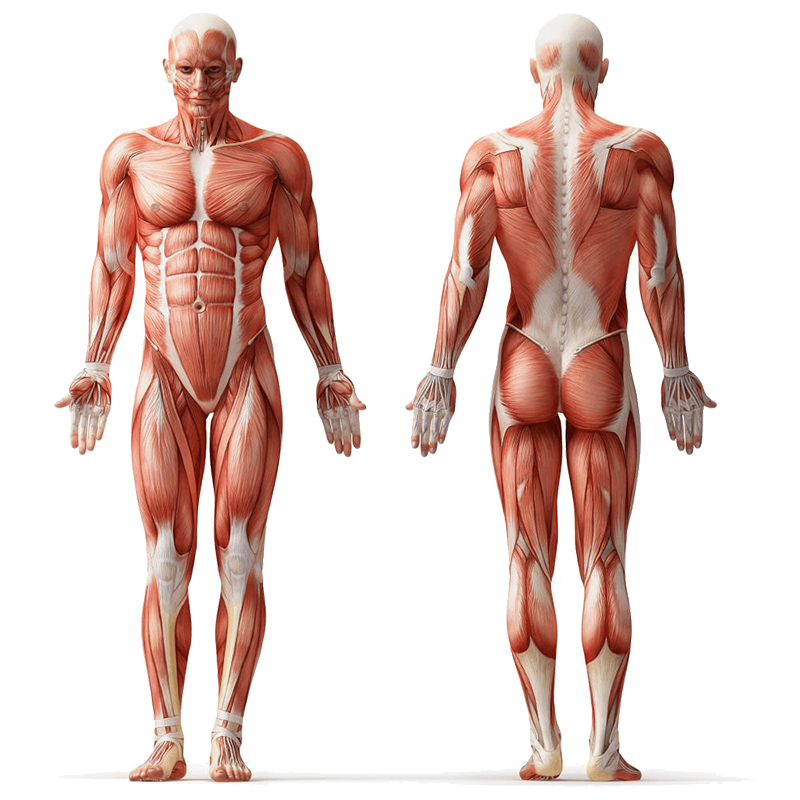
Exercise Profile

Target Muscles:

Shoulders, Biceps

Secondary Muscles:

Traps, Forearms

Exercise Type:

Strength

Equipment:

Dumbbells

Difficulty:

Beginner to Intermediate

Mechanics:

Compound
Muscle Anatomy

The Dumbbell Bent Over Reverse Fly to Hammer Curl is a dynamic compound exercise that effectively targets multiple upper body muscle groups in a single movement. This exercise primarily engages the posterior deltoids (rear shoulder muscles) and upper back muscles during the reverse fly, while the hammer curl emphasizes the brachioradialis (forearm muscle) and biceps brachii (front upper arm muscles).

By combining these two movements, this exercise enhances both upper back strength and arm development, contributing to improved posture, muscular endurance, and overall upper-body conditioning. Suitable for individuals at a beginner to intermediate fitness level, the Dumbbell Bent Over Reverse Fly to Hammer Curl requires only a pair of dumbbells, making it an accessible addition to home and gym workouts alike.

Unlike traditional isolation exercises that focus on a single muscle group, this combination movement integrates pulling and curling mechanics to promote functional strength and coordination. The bent-over reverse fly emphasizes the rear delts and scapular stabilizers, aiding in shoulder health and posture correction, while the hammer curl builds grip strength and forearm endurance, making it a valuable exercise for athletes and fitness enthusiasts alike. Performing this exercise with proper control enhances upper-body stability and reduces the risk of muscular imbalances.

Before incorporating the Dumbbell Bent Over Reverse Fly to Hammer Curl into your routine, ensure you have a solid foundation in basic dumbbell movements such as standard reverse flys and hammer curls. A thorough warm-up, focusing on shoulder mobility and arm activation, is recommended to prepare the muscles and joints for optimal performance. Prioritizing proper form over lifting heavier weights is essential to prevent strain or injury.

In the following sections, we will provide detailed step-by-step instructions, tips for maintaining proper form, an overview of its benefits, common mistakes to avoid, and answers to frequently asked questions to ensure you maximize the effectiveness of this exercise.

By mastering the Dumbbell Bent Over Reverse Fly to Hammer Curl, you can strengthen your upper body, improve posture, and develop functional strength that translates into daily activities and athletic performance.

*Note: If you experience shoulder or wrist discomfort during the exercise, consult a fitness professional or modify the movement to suit your needs.*

Step-by-Step Instructions

  1. Stand with your feet shoulder-width apart, holding a dumbbell in each hand with a neutral grip (palms facing each other).
  2. Hinge at the hips to bend forward, keeping your back straight and allowing your arms to hang perpendicular to the floor.
  3. With a slight bend in your elbows, raise the dumbbells out to the sides until your arms are parallel to the ground, squeezing your shoulder blades together at the top of the movement.
  4. Slowly lower the dumbbells back to the starting position.
  5. Return to a standing position by extending your hips and straightening your torso.
  6. Perform a hammer curl by bending your elbows to lift the dumbbells toward your shoulders, keeping your palms facing each other.
  7. Lower the dumbbells back to your sides in a controlled manner.
  8. Repeat the sequence for the desired number of repetitions.

Tips for Proper Form

  • Maintain a neutral spine throughout the exercise to prevent lower back strain.
  • Engage your core muscles to stabilize your torso during both movements.
  • Avoid using momentum; perform each movement deliberately to maximize muscle engagement.
  • Keep your head aligned with your spine; avoid looking up or down excessively.
  • Use a weight that allows you to perform the exercise with proper form without compromising technique.
  • Focus on squeezing the targeted muscles during each phase to enhance mind-muscle connection.

Common Mistakes to Avoid

  • Rounding the back during the bent-over position, which can lead to injury.
  • Allowing the elbows to lock out completely; maintain a slight bend to reduce joint stress.
  • Using excessive weight, leading to poor form and reduced effectiveness.
  • Failing to engage the core, resulting in instability and potential back discomfort.
  • Swinging the dumbbells during the hammer curl instead of using controlled movements.
  • Neglecting to breathe properly; exhale during exertion and inhale during relaxation phases.

Dumbbell Bent Over Reverse Fly to Hammer Curl Benefits

  • Enhances upper back strength, contributing to better posture and reduced risk of shoulder injuries.
  • Improves arm muscle development, particularly the biceps and forearms.
  • Promotes muscular balance by targeting both posterior and anterior muscle groups.
  • Increases functional strength applicable to daily activities involving pulling and lifting.
  • Enhances coordination and stability through the integration of multiple movements.
  • Provides an efficient workout by combining two exercises, saving time while maximizing benefits.

Summary

The Dumbbell Bent Over Reverse Fly to Hammer Curl is an effective compound exercise that targets the upper back, shoulders, biceps, and forearms. By performing this exercise with proper form and control, individuals can enhance muscular development, improve posture, and increase functional strength, making it a valuable addition to any strength training routine.

FAQs

Can beginners perform the Dumbbell Bent Over Reverse Fly to Hammer Curl?

Yes, beginners can perform this exercise using light weights to ensure proper form and gradually increase resistance as strength improves.

How many sets and repetitions are recommended?

Perform 2-3 sets of 10-12 repetitions, depending on your fitness level and goals.

What is a suitable weight to start with?

Start with a weight that allows you to perform the exercise with correct form without straining, typically between 5-10 pounds per dumbbell for beginners.

How often should this exercise be incorporated into a workout routine?

Include this exercise 1-2 times per week, allowing adequate rest between sessions to promote muscle recovery.

Can this exercise help improve posture?

Yes, by strengthening the upper back and shoulder muscles, this exercise can contribute to better posture.

Is it necessary to use heavy weights to see benefits?

No, using moderate weights with proper form is sufficient to achieve the benefits of this exercise.

Disclaimer: It’s important to keep in mind that not all exercises are suitable for everyone. Before trying out a new exercise, it’s crucial to consider factors such as your flexibility, strength, and overall health to determine whether or not the exercise is appropriate for you. Like any exercise, there is inherent danger associated with it and it can potentially cause personal injury. It’s solely the responsibility of the exerciser to bear any injury sustained from the proper or improper use of this exercise. World Fitness.Online and its partners cannot be held liable for any injury that occurs as a result of using this exercise and it’s strongly advised that you seek guidance from a professional healthcare provider before attempting any exercise or exercise program.
Facebook
Twitter
LinkedIn
Scroll to Top