The Dead Hang, also known simply as a "hang," is an effective body-weight exercise that involves hanging from a bar with your arms fully extended. This exercise is primarily used to improve grip strength and upper body endurance, but it also offers numerous additional benefits. The Dead Hang is suitable for all fitness levels, from beginners to advanced athletes, and is a versatile addition to any strength training routine.
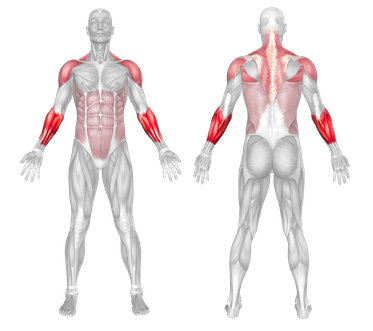
This exercise targets the forearms (brachioradialis) and also engages the shoulders (deltoids), upper back (trapezius), and core muscles. As a compound exercise, the Dead Hang involves multiple joints and muscle groups, making it a comprehensive workout tool. The only equipment required is a sturdy horizontal bar, such as a pull-up bar, making it accessible for home workouts or gym sessions.
Step-by-Step Instructions
- Stand beneath a sturdy horizontal bar. Reach up and grasp the bar with an overhand grip (palms facing away from you) slightly wider than shoulder-width apart.
- Engage your core and lift your feet off the ground, allowing your body to hang freely. Your arms should be fully extended, and your shoulders relaxed.
- Maintain a neutral spine and avoid swinging or excessive movement. Hold this position for the desired duration, starting with 10-30 seconds if you're a beginner.
- To release, carefully lower your feet back to the ground or a stable surface and let go of the bar.
- Rest for 1-2 minutes between sets and aim for 2-3 sets depending on your fitness level.
Tips for Proper Form
- Start with shorter duration and gradually increase your hang time as your grip strength improves.
- Use a firm but relaxed grip to avoid premature fatigue in your hands and forearms.
- Keep your body as still as possible to engage your core muscles effectively.
- Breathe deeply and regularly to maintain your stamina and avoid holding your breath.
- Incorporate variations such as the neutral grip (palms facing each other) if you experience discomfort with the standard grip.
- Perform the Dead Hang at the beginning of your workout to activate your muscles or at the end to decompress your spine.
Benefits
- Improved Grip Strength: Engages the muscles of your hands and forearms, essential for various exercises and daily activities.
- Upper Body Strength: Strengthens the shoulders, upper back, and arms.
- Shoulder Stability: Helps stabilize the shoulder girdle, reducing the risk of injuries.
- Core Activation: Activates core muscles to maintain stability and prevent swinging.
- Enhanced Posture: Promotes a neutral spine and proper alignment, reducing back pain.
- Spinal Decompression: Relieves pressure on the spine, beneficial for those with back issues.
- Accessibility: Requires minimal equipment, making it easy to perform anywhere with a suitable bar.
Common Mistakes to Avoid
- Avoid over-gripping the bar, which can lead to premature fatigue.
- Ensure your arms are fully extended without keeping your elbows bent.
- Do not swing excessively; maintain a stable, controlled hang.
- Avoid holding your breath; breathe deeply and regularly.
- Listen to your body and avoid pushing through pain or discomfort.
- Incorporate rest days to prevent overuse injuries such as tendinitis.
Summary
The Dead Hang is a simple yet highly effective exercise for improving grip strength, upper body endurance, and core stability. It engages multiple muscle groups, promotes spinal decompression, and enhances posture. Incorporate this versatile exercise into your routine to enjoy its numerous physical and mental benefits.
FAQs
How often should I perform Dead Hangs?
It is recommended to perform Dead Hangs 2-3 times per week, allowing adequate rest between sessions to prevent overuse injuries.
What is the ideal duration for a Dead Hang?
Beginners should start with 10-30 seconds per set, gradually increasing the duration as their grip strength improves. More experienced individuals can aim for 60-90 seconds.
Can Dead Hangs help with pull-ups?
Yes, Dead Hangs can improve grip strength and shoulder stability, which are essential for performing pull-ups.
What are some variations of the Dead Hang?
Variations include the neutral grip, single-arm hang, weighted hang, and hanging from gymnastic rings to increase difficulty and target different muscles.
Are Dead Hangs suitable for people with shoulder issues?
People with shoulder issues should consult a healthcare professional before attempting Dead Hangs. Variations like the neutral grip or using gymnastic rings may be more comfortable.
What equipment do I need for Dead Hangs?
A sturdy horizontal bar, such as a pull-up bar, is necessary for performing Dead Hangs. Alternatives include gymnastic rings or monkey bars.