
Cross Body Push-Up
Video Demo, Instructions, Proper Form Tips, Common Mistakes, Benefits and FAQs
Video Demo, Instructions, Proper Form Tips, Common Mistakes, Benefits and FAQs
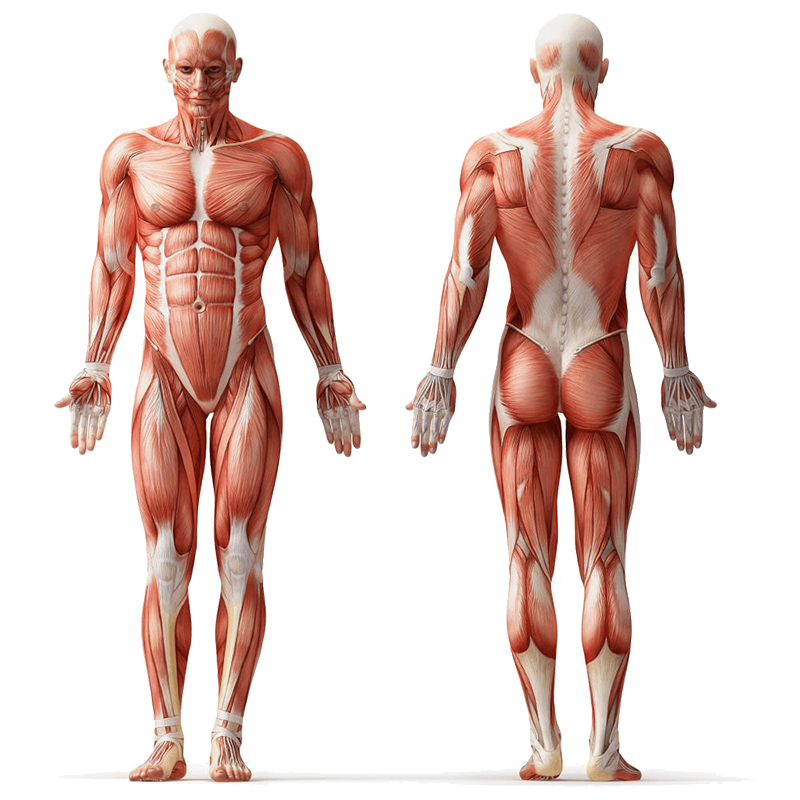
The Cross Body Push‑Up (also called cross‑over push‑up) is a challenging bodyweight strength and core exercise. It combines a standard push‑up with an oblique‑weighted rotation as you cross one leg underneath you, promoting greater engagement of the chest, shoulders and especially your core—particularly the obliques—making it ideal for those at an intermediate to advanced fitness level.
As you lower the body in a push‑up position using just your own bodyweight, you twist your torso and swing one leg under or across the body. This rotation forces the obliques and hip flexors to stabilize, while the pectoralis major, anterior deltoid, and triceps drive the push. The exercise builds strength, balance, and core control in a functional, compound movement.
This variation is more demanding than a standard push‑up, limiting base support and adding instability. It’s excellent for those looking to intensify upper‑body training while also developing core rotational strength and hip stability.
Ensure you're warmed up and have solid core and push‑up form before attempting this variation. Practice on a non‑slippery surface or mat. Focus on controlled motion and proper alignment—spine neutral, hips level, core braced—especially during rotation. Avoid jerky transitions and never sacrifice form for reps. If you experience joint pain or loss of control, regress to standard or staggered push‑ups first. Note: Consult a fitness professional or healthcare provider if you have pre‑existing conditions or experience discomfort during the exercise.
Follow these steps carefully to execute the movement safely and effectively:
If the full cross‑body push‑up is too difficult or unstable, try these options:
Once comfortable, increase difficulty through:
The Cross Body Push‑Up is a dynamic, compound bodyweight exercise blending upper‑body pushing and core-driven rotation. It targets the chest, triceps, shoulders and obliques while improving hip and torso stability. Ideal for intermediate to advanced trainees, it strengthens strength, balance and movement control in one fluid motion. Perform with precision, start with progressions if needed, and alternate sides evenly. Proper execution will ensure greater core activation and functional strength.
It’s designed for those with solid push‑up and core control skills. Beginners should start with standard or staggered push‑ups before progressing.
Start with small sets (e.g. 6–8 total crosses), focusing on form. Build gradually to higher reps or sets.
Include it 2–3 times/week. Allow rest between sessions targeting the same muscles.
Begin sets on the weaker side and limit cross reps to match until both sides feel balanced.
Ideally yes—to increase tension. But if mobility or control is limited, bend the knee until you build strength.
Yes—because it heavily activates the obliques through torsional stability, it’s effective for core shaping when paired with proper nutrition.