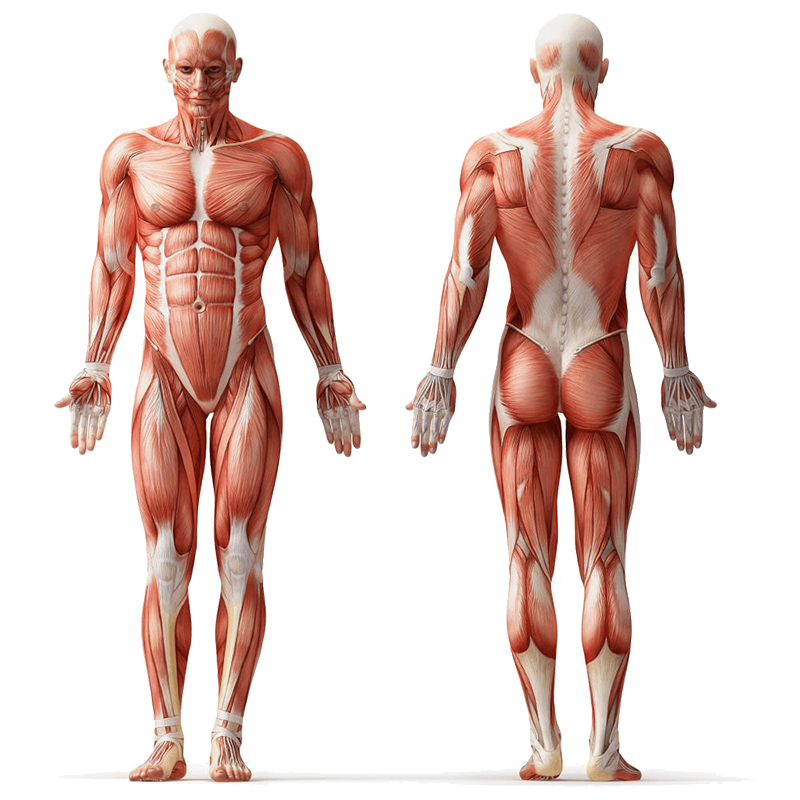
The Cable Squatting Curl is an effective strength exercise designed to target the biceps brachii (biceps) while simultaneously engaging the quadriceps (front thigh muscles), hamstrings (back thigh muscles), gluteus maximus (buttocks), and core muscles for added stability and functional strength. Combining the benefits of a squat with a bicep curl, this compound movement leverages a cable machine with a straight bar or rope attachment to maintain constant tension on the muscles, ensuring a more effective workout.
Suited for intermediate-level exercisers, this dynamic exercise not only builds upper body strength but also enhances lower body stability, making it a versatile addition to any training regimen. Its integrated approach to muscle engagement makes it ideal for those looking to maximize efficiency during their workouts while promoting better posture, balance, and coordination.
Step-by-Step Instructions
- Attach a straight bar or rope handle to the low pulley of a cable machine and select an appropriate weight.
- Stand facing the machine with feet shoulder-width apart. Grasp the bar or rope with an underhand grip (palms facing up), hands about shoulder-width apart.
- Step back slightly to create tension in the cable, then squat down until your thighs are parallel to the floor, keeping your back straight and core engaged.
- With your upper arms resting against the inside of your knees, curl the bar or rope towards your shoulders by flexing your elbows, focusing on contracting the biceps.
- Pause briefly at the top of the movement, then slowly lower the weight back to the starting position, maintaining control throughout.
- Repeat for the desired number of repetitions, ensuring consistent form.
Tips for Proper Form
- Maintain an upright torso throughout the exercise to prevent lower back strain.
- Keep your elbows stationary and close to your body to isolate the biceps effectively.
- Avoid using momentum; perform the movement in a slow and controlled manner.
- Engage your core muscles to enhance stability and support the lower back.
- Ensure your knees are aligned with your toes during the squat to protect the joints.
- Breathe out while curling the weight up and inhale while lowering it down.
Cable Squatting Curl Benefits
- Effectively isolates and strengthens the biceps.
- Engages lower body muscles, promoting overall muscular development.
- Enhances core stability and balance due to the squatting position.
- Provides continuous tension on the muscles, leading to improved muscle endurance.
- Offers a functional movement pattern that can improve daily activities involving lifting and squatting.
- Reduces the risk of injury by promoting proper form and muscle engagement.
Common Mistakes to Avoid
- Allowing the back to round during the squat, which can lead to lower back injuries.
- Letting the elbows flare out, reducing bicep activation.
- Using excessive weight, leading to poor form and potential strain.
- Rising from the squat position during the curl, which diminishes the exercise's effectiveness.
- Neglecting to engage the core, resulting in decreased stability.
- Performing the movement too quickly, reducing muscle engagement and control.
Summary
The Cable Squatting Curl is a compound exercise that effectively targets the biceps while engaging the lower body and core muscles. By maintaining proper form and control, individuals can enhance muscle strength, stability, and functional movement patterns, contributing to overall fitness and daily activity performance.
FAQs
How often should I perform Cable Squatting Curls?
Incorporate this exercise into your routine 2-3 times per week, allowing at least 48 hours of rest between sessions to promote muscle recovery.
Can beginners perform the Cable Squatting Curl?
Yes, beginners can perform this exercise using lighter weights and focusing on proper form to build foundational strength.
What variations can I try to target different muscle groups?
Using a rope attachment can increase forearm engagement, while adjusting the squat depth can emphasize different parts of the lower body.
Is the Cable Squatting Curl suitable for individuals with knee issues?
Individuals with knee concerns should consult a healthcare professional before attempting this exercise and may need to modify the squat depth or avoid the exercise if discomfort occurs.
How does the Cable Squatting Curl compare to traditional bicep curls?
The Cable Squatting Curl adds a lower body component, engaging more muscle groups and promoting functional strength compared to traditional bicep curls.
Can I perform this exercise without a cable machine?
While the cable machine provides constant tension, similar movements can be performed using resistance bands or dumbbells, though the muscle engagement may differ.