
Brisk Walking

Video Demo, Instructions, Proper Form Tips, Common Mistakes, Benefits and FAQs
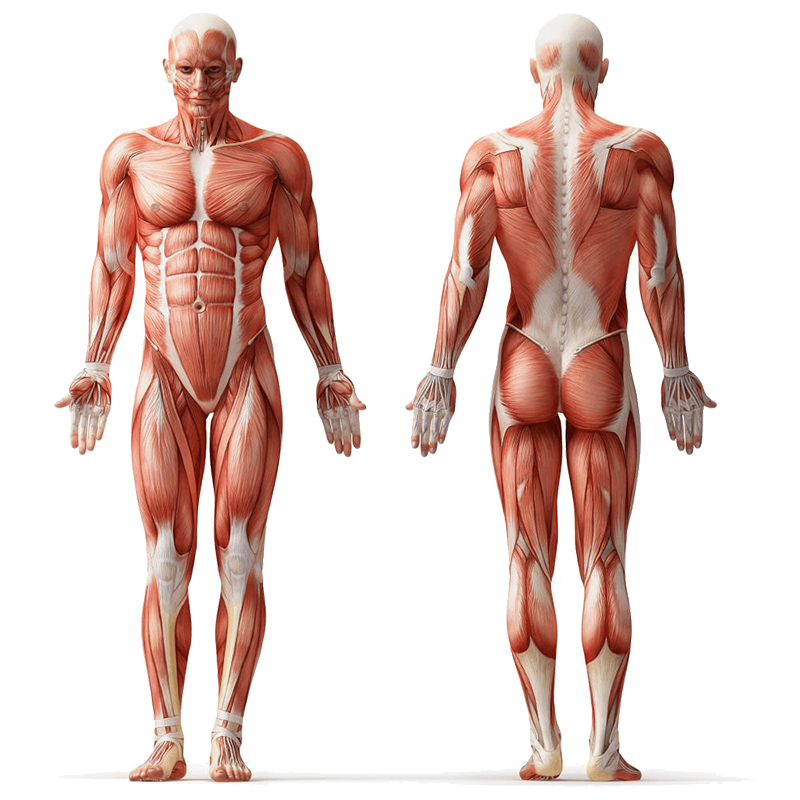
Exercise Profile

Target Muscles:

Quads, Hamstrings, Calves, Glutes

Secondary Muscles:

Core (Abdominals, Obliques), Hip Flexors, Tibialis Anterior, Erector Spinae

Exercise Type:

Strength, Cardio

Equipment:

Bodyweight

Difficulty:

Beginner to Intermediate

Mechanics:

Compound
Muscle Anatomy

The exercise Brisk Walking, also known as power walking or fitness walking, involves walking at a pace faster than a casual stroll, elevating your heart rate and engaging large muscle groups in a compound movement that uses multiple joints such as hips, knees and ankles. It activates your legs, glutes, and core. Because it is low impact yet effective, it suits a wide range of people, from those just starting out to those looking for an accessible yet solid cardio and strength workout. You need no special equipment beyond a good pair of walking shoes, making it practical both outdoors and on a treadmill.

As a beginner to intermediate level activity, it stands out by combining cardiovascular benefit with muscular engagement in the legs and core. It differs from running in being gentler on joints, and from slow-paced walking by elevating the intensity to a level where you clearly feel the effort but can still carry on a conversation. The primary muscles pushing you forward are the quads, hamstrings, calves and glutes, with supporting work from the core and hip-flexor region. Brisk walking is practical for everyday fitness, improving stamina, metabolic health and leg strength in a routine you can maintain long term.

Safety Considerations

Before you begin brisk walking, make sure you are in a safe environment with even, non-slippery ground. Be aware of traffic or obstacles if walking outdoors. Warm up with two to three minutes of slower walking and light mobility for your hips and legs. During your walk, stay aware of your posture and how your body feels. Stop or slow down if you feel sharp pain, dizziness or shortness of breath. Wear proper shoes with cushioning and support to protect your joints.

If you have joint problems, cardiovascular issues or are recovering from injury, speak with a healthcare provider before starting. After your walk, cool down by slowing your pace for a few minutes and stretching your calves, hamstrings and glutes.

Note: Consult a fitness professional or healthcare provider if you have pre-existing conditions or experience discomfort during the exercise.

Step-by-Step Instructions

Follow these steps to perform brisk walking safely and effectively:

  1. Stand tall with a neutral spine, shoulders relaxed, chin level and eyes looking forward.
  2. Start walking at a comfortable pace for two to three minutes to warm up.
  3. Gradually increase your pace until you reach a brisk walking speed where you can talk but not sing comfortably. Aim for roughly 100 steps per minute.
  4. Maintain this pace for your planned duration, focusing on upright posture, smooth heel-to-toe steps, natural arm swings and light core engagement.
  5. Keep your stride moderate rather than long to stay efficient and reduce strain on hips and knees.
  6. When finished, slow down your pace for two to three minutes to cool down.
  7. Stretch your calves, hamstrings, glutes, hip flexors and lower back after the walk to help recovery.

Tips for Proper Form

Here are several tips to help you make the most of your brisk walk and maintain good form:

  • Keep your head up and eyes forward rather than looking down at your feet.
  • Relax your shoulders and keep them down and back.
  • Engage your core by gently drawing your belly in toward your spine.
  • Swing your arms naturally with bent elbows at roughly 90 degrees, opposite your leg movement.
  • Use a heel-to-toe walking motion, rolling smoothly through your feet.
  • Keep strides moderate and consistent instead of overly long.
  • Walk fast enough to raise your heart rate, but slow enough to hold short conversations.
  • Maintain an upright posture, leaning slightly from the ankles if necessary.
  • Wear supportive walking shoes and choose smooth, even terrain when possible.

Common Mistakes to Avoid

This section highlights frequent errors people make when brisk walking and how to avoid them:

  • Walking too slowly and calling it brisk, which reduces the workout’s effectiveness.
  • Over-striding and taking steps that are too long, leading to hip or hamstring strain.
  • Hunching shoulders or letting the head drop, which can cause neck and back discomfort.
  • Keeping arms still or crossed instead of swinging naturally.
  • Locking the knees or walking with stiff legs rather than relaxed joints.
  • Wearing unsupportive shoes that increase risk of foot or knee pain.
  • Skipping warm-ups and cool-downs, which can increase soreness or risk of injury.
  • Walking on uneven or unsafe terrain without adjusting your speed or focus.

Primary Benefits

Here are major benefits you’ll gain when you include brisk walking in your routine:

  • Improves cardiovascular health and lowers risk of heart disease and stroke.
  • Enhances leg and hip muscle strength and tones lower body muscles.
  • Boosts endurance, stamina and overall energy levels.
  • Improves mood and mental clarity through the release of endorphins.
  • Helps with healthy weight management and better blood sugar control.
  • Supports posture, coordination and balance due to full-body engagement.
  • Provides a low-impact exercise option that’s gentle on joints yet highly effective.

Regressions

If you are new to exercise, recovering from injury or have lower fitness, here are gentler versions of brisk walking you can use:

  • Start with regular walking at a comfortable pace for 10 to 15 minutes.
  • Choose flat, smooth surfaces to minimize joint strain.
  • Shorten your walking duration and increase gradually over time.
  • Use walking poles or railings for added stability if needed.
  • Alternate brisk and slow intervals to build stamina gradually.
  • Try walking indoors or on a treadmill for controlled, consistent conditions.

Progressions

Once you’re comfortable with brisk walking and want to challenge yourself further, you can increase intensity or variation with these progressions:

  • Extend your walking duration from 20 minutes to 40 minutes or more.
  • Add uphill sections or incline walking to strengthen glutes and hamstrings.
  • Incorporate short fast-paced intervals for extra cardiovascular challenge.
  • Increase your walking pace gradually each week.
  • Use a weighted vest or light hand weights for added resistance.
  • Explore varied terrain like grass, sand or trails for balance and stability benefits.

Summary

Brisk Walking is an efficient, accessible exercise that combines cardiovascular and lower body strength benefits. It works the quads, hamstrings, glutes, calves and core in a low-impact, compound movement. Whether you are a beginner or more advanced, walking briskly with good posture and moderate stride length helps improve heart health, stamina, mental well-being and muscle tone. By starting with shorter sessions, wearing proper shoes, warming up and gradually increasing pace or distance, you can safely enjoy the many advantages of brisk walking.

FAQs

Is brisk walking enough to improve fitness?

Yes. Walking at a brisk pace raises your heart rate, improves circulation and builds endurance, making it an excellent form of moderate-intensity exercise.

How fast should I walk for it to count as brisk?

Walk at a pace where you can talk but not sing comfortably. Most people achieve this around 100 steps per minute.

How long should I walk to see results?

Aim for at least 150 minutes of brisk walking per week. Even shorter daily sessions of 10 to 15 minutes can offer benefits if done consistently.

Does brisk walking strengthen muscles?

Yes. It engages your legs, glutes, and core, helping strengthen and tone these areas over time. However, it is not a substitute for resistance training if your goal is large muscle growth.

Can I do brisk walking if I have joint problems?

Yes. It is a low-impact exercise that is gentle on joints. Make sure to wear supportive shoes and walk on even surfaces.

Will brisk walking help me lose weight?

Brisk walking helps burn calories and supports weight control, especially when combined with a balanced diet and overall healthy lifestyle habits.

Disclaimer: It’s important to keep in mind that not all exercises are suitable for everyone. Before trying out a new exercise, it’s crucial to consider factors such as your flexibility, strength, and overall health to determine whether or not the exercise is appropriate for you. Like any exercise, there is inherent danger associated with it and it can potentially cause personal injury. It’s solely the responsibility of the exerciser to bear any injury sustained from the proper or improper use of this exercise. World Fitness.Online and its partners cannot be held liable for any injury that occurs as a result of using this exercise and it’s strongly advised that you seek guidance from a professional healthcare provider before attempting any exercise or exercise program.
Facebook
Twitter
LinkedIn
Scroll to Top