
Barbell Seated Behind Head Military Press

Video Demo, Instructions, Proper Form Tips, Common Mistakes, Benefits and FAQs
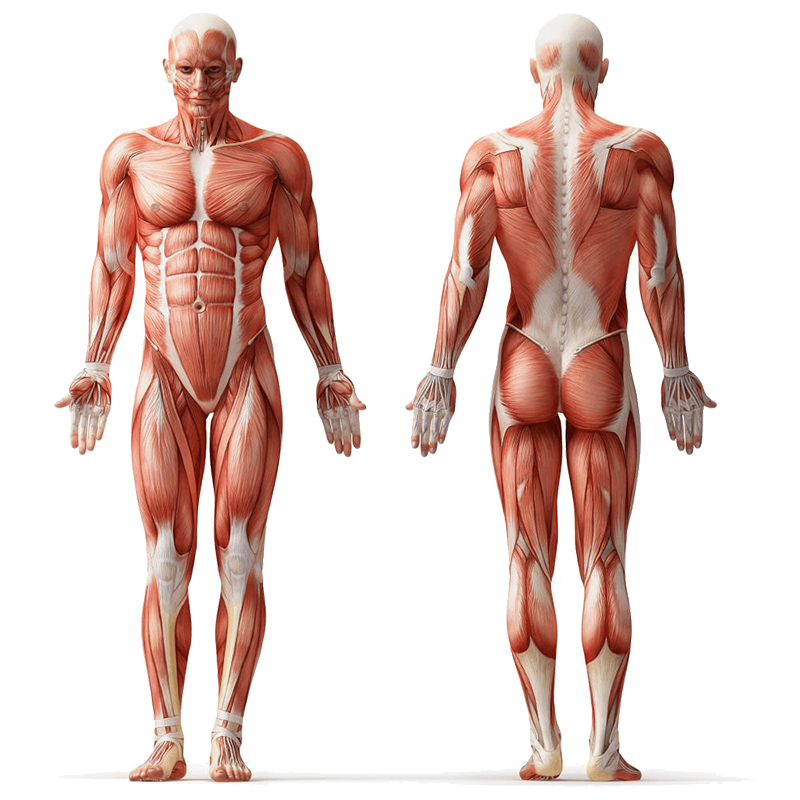
Exercise Profile

Target Muscles:

Front Shoulders

Secondary Muscles:

Triceps, Traps

Exercise Type:

Strength

Equipment:

Barbell, Bench

Difficulty:

Intermediate to Advanced

Mechanics:

Compound
Muscle Anatomy

The Barbell Seated Behind Head Military Press, also known as the Seated Barbell Overhead Press, is a compound strength exercise that primarily targets the anterior deltoids (front shoulder muscles) and engages the triceps brachii (back of the upper arm) and upper trapezius (upper back) as secondary muscle groups. This movement involves pressing a barbell from behind the head to an overhead position while seated, emphasizing shoulder strength and stability.

Due to its complexity, it is best suited for individuals with an intermediate to advanced fitness level. Proper execution requires a barbell and a sturdy bench with back support to maintain correct form and prevent injury. Incorporating this exercise into your routine can enhance upper body strength, improve posture, and contribute to balanced muscle development.

Historically, the behind-the-neck press has been a staple in bodybuilding and strength training, valued for its ability to develop shoulder mass and definition. However, it's essential to approach this exercise with caution due to the potential strain it can place on the shoulder joints if performed incorrectly. Variations such as the Seated Barbell Military Press, where the barbell is pressed from the front, can be considered for those seeking a similar strength challenge with reduced risk.

Before attempting the Barbell Seated Behind Head Military Press, ensure you have adequate shoulder mobility and strength. Incorporating a thorough warm-up and flexibility exercises can help prepare the muscles and joints for this movement. Always prioritize proper form over lifting heavier weights to minimize the risk of injury.

In the following sections, we will delve into detailed step-by-step instructions, tips for maintaining proper form, the benefits of this exercise, common mistakes to avoid, and address frequently asked questions to provide a comprehensive understanding of the Barbell Seated Behind Head Military Press.

By mastering this exercise, you can significantly enhance your upper body strength and contribute to overall functional fitness.

*Note: Due to the potential risk of shoulder injury, it's advisable to consult with a fitness professional before incorporating the Barbell Seated Behind Head Military Press into your workout routine.*

Step-by-Step Instructions

  1. Begin by setting up a barbell on a rack at about shoulder height. Ensure the barbell is evenly loaded with appropriate weights for your skill level.
  2. Sit on a sturdy bench with back support, positioning yourself so the barbell is directly behind your head.
  3. Grip the barbell with a pronated grip (palms facing forward) slightly wider than shoulder-width apart.
  4. Lift the barbell off the rack carefully and hold it behind your head at the base of your neck. This is your starting position.
  5. Engage your core to stabilize your body, keeping your back pressed against the bench support.
  6. Press the barbell upward until your arms are fully extended overhead, ensuring the barbell travels in a straight line.
  7. Pause briefly at the top of the movement, keeping your shoulders and arms engaged.
  8. Slowly lower the barbell back to the starting position behind your head, maintaining control throughout.
  9. Repeat for the desired number of repetitions, then safely re-rack the barbell.

Tips for Proper Form

  • Warm up your shoulders and rotator cuffs thoroughly to prepare for the exercise.
  • Maintain a neutral spine and avoid arching your back during the lift.
  • Keep your elbows slightly in front of your torso to prevent undue stress on the shoulder joints.
  • Use a spotter when lifting heavy weights for added safety and assistance.
  • Focus on a slow and controlled movement to maximize muscle engagement and reduce the risk of injury.
  • If you experience shoulder discomfort, switch to the front military press variation.

Common Mistakes to Avoid

  • Using excessive weight that compromises form and increases injury risk.
  • Allowing the lower back to arch excessively during the lift.
  • Failing to keep the core engaged, leading to instability.
  • Lowering the barbell too far down the neck, putting unnecessary strain on the shoulders.
  • Performing the movement too quickly, reducing muscle activation.
  • Neglecting to check equipment for safety, such as barbell collars or bench stability.

Barbell Seated Behind Head Military Press Benefits

  • Builds shoulder strength, particularly the anterior deltoids.
  • Enhances upper body stability and posture.
  • Improves tricep strength and endurance.
  • Engages the upper trapezius for a balanced upper back.
  • Develops functional strength for daily overhead movements.
  • Boosts overall shoulder mobility when performed with proper technique.

Summary

The Barbell Seated Behind Head Military Press is an advanced compound exercise ideal for building shoulder strength and upper body stability. Proper technique, appropriate weight selection, and attention to form are crucial to prevent injury and maximize benefits. Consider integrating this exercise into your routine to achieve a balanced and powerful upper body.

FAQs

How often should I perform this exercise?

For optimal results, include this exercise 1–2 times per week as part of a well-rounded upper body strength program.

Can beginners attempt the Barbell Seated Behind Head Military Press?

This exercise is best suited for intermediate to advanced lifters due to its complexity. Beginners should start with lighter weights or alternative exercises like dumbbell shoulder presses.

What is a suitable alternative for this exercise?

The Seated Barbell Military Press (from the front) is a safer variation that reduces shoulder strain.

Can I use dumbbells instead of a barbell?

Yes, dumbbells can offer greater range of motion and reduce joint stress, making them a good alternative.

What should I do if I feel shoulder pain?

Stop the exercise immediately and consult a fitness professional or physiotherapist. Avoid forcing the movement if pain persists.

Is this exercise suitable for improving posture?

Yes, when performed correctly, it strengthens the upper back and shoulders, contributing to better posture.

Disclaimer: It’s important to keep in mind that not all exercises are suitable for everyone. Before trying out a new exercise, it’s crucial to consider factors such as your flexibility, strength, and overall health to determine whether or not the exercise is appropriate for you. Like any exercise, there is inherent danger associated with it and it can potentially cause personal injury. It’s solely the responsibility of the exerciser to bear any injury sustained from the proper or improper use of this exercise. World Fitness.Online and its partners cannot be held liable for any injury that occurs as a result of using this exercise and it’s strongly advised that you seek guidance from a professional healthcare provider before attempting any exercise or exercise program.
Facebook
Twitter
LinkedIn
Scroll to Top