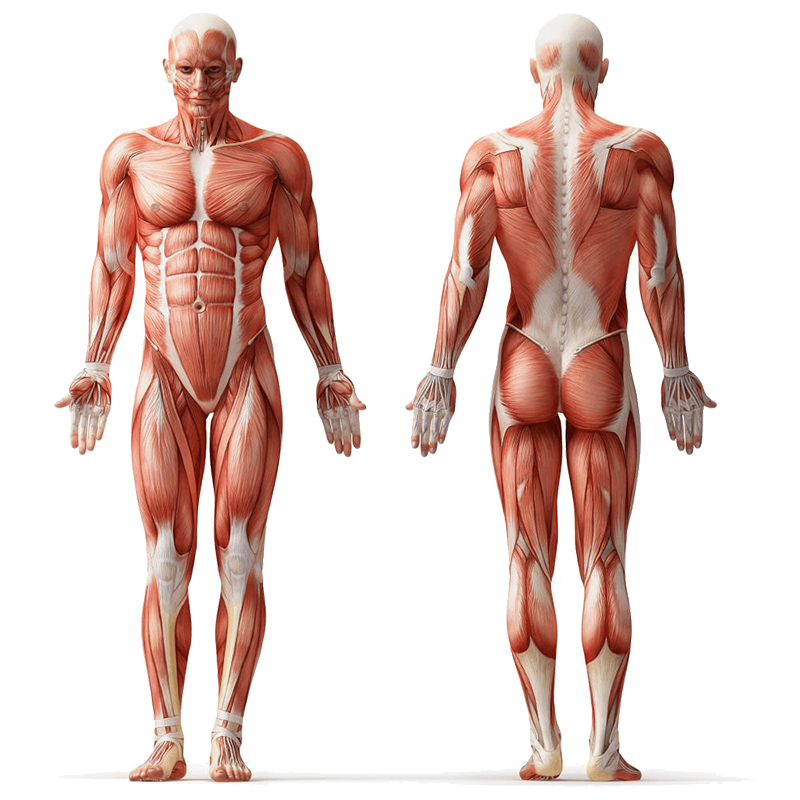
The Barbell Romanian Deadlift (RDL) is a fundamental strength exercise that primarily targets the posterior chain, including the hamstrings, gluteus maximus (glutes), and erector spinae (lower back muscles). This compound movement emphasizes hip hinge mechanics, making it essential for developing lower body strength and enhancing athletic performance. Suitable for individuals with an intermediate to advanced fitness level, the RDL requires a barbell and focuses on controlled movement to effectively engage the target muscle groups. Incorporating the Barbell Romanian Deadlift into your training regimen can improve functional strength, support better posture, and contribute to overall muscle development.
Step-by-Step Instructions
- Setup: Stand with your feet shoulder-width apart, holding a barbell with an overhand grip in front of your thighs. Your knees should be slightly bent, and your back straight.
- Initiate the Movement: Engage your core and begin the hip hinge by pushing your hips backward, allowing the barbell to lower as your torso leans forward. Maintain a slight bend in your knees throughout the movement.
- Descent: Lower the barbell until it reaches just below your knees or until you feel a stretch in your hamstrings. Keep the bar close to your body, and ensure your back remains straight without rounding.
- Ascent: Reverse the movement by driving your hips forward, standing upright, and bringing the barbell back to the starting position. Squeeze your glutes at the top of the movement.
- Repetition: Repeat for the desired number of repetitions, typically 8-12 for muscle hypertrophy.
Tips for Proper Form
- Maintain a Neutral Spine: Keep your back straight throughout the movement to prevent injury and ensure proper muscle engagement.
- Engage Your Core: Activating your core muscles provides stability and supports proper form during the exercise.
- Avoid Overextending: Do not lean back or hyperextend your lower back at the top of the movement; stand upright with a neutral spine.
- Control the Movement: Perform both the lowering and lifting phases deliberately to maximize muscle engagement and reduce injury risk.
- Breathing: Inhale as you lower the barbell and exhale as you lift it back to the starting position.
- Proper Footwear: Wear flat-soled shoes to maintain balance and ensure proper weight distribution during the exercise.
Common Mistakes to Avoid
- Rounding the Back: Maintain a neutral spine to prevent strain and potential injury.
- Excessive Knee Bend: Keep only a slight bend in the knees; too much can shift focus away from the hamstrings.
- Letting the Bar Drift Away: Keep the barbell close to your body to maintain proper leverage and form.
- Using Too Much Weight: Start with a manageable weight to master form before increasing the load.
- Not Engaging the Core: Failing to activate core muscles can lead to instability and improper form.
- Overextending at the Top: Avoid leaning back or hyperextending your spine when returning to the starting position.
Barbell Romanian Deadlift Benefits
- Strengthens Posterior Chain: Targets the hamstrings, glutes, and lower back, enhancing overall posterior strength.
- Improves Hip Hinge Mechanics: Reinforces proper hip hinge movement, beneficial for various athletic activities.
- Enhances Flexibility: Promotes hamstring flexibility due to the stretch experienced during the lowering phase.
- Supports Better Posture: Strengthening the posterior chain contributes to improved posture and spinal alignment.
- Reduces Injury Risk: Developing strength in the posterior chain can help prevent injuries related to weak hamstrings and lower back muscles.
- Assists in Other Lifts: Enhances performance in other compound lifts like the conventional deadlift and squat by building foundational strength.
Summary
The Barbell Romanian Deadlift is a pivotal exercise for strengthening the posterior chain, emphasizing the hamstrings, glutes, and lower back. By mastering the hip hinge movement, individuals can enhance their athletic performance, improve posture, and reduce the risk of injury. Suitable for intermediate to advanced lifters, this compound movement requires attention to form and control, making it a valuable addition to any strength training regimen.
FAQs
What is the primary difference between the Romanian Deadlift and the Stiff-Leg Deadlift?
The Romanian Deadlift (RDL) starts with the barbell at hip level and involves a slight bend in the knees maintained throughout the movement, emphasizing the hamstrings and glutes. In contrast, the Stiff-Leg Deadlift (SLDL) begins with the barbell on the floor, keeping the legs nearly straight, which places more demand on hamstring flexibility and lower back strength.
Can beginners perform the Barbell Romanian Deadlift?
Yes, beginners can perform the RDL, but it is recommended to start with lighter weights or a training bar to master the hip hinge movement and maintain proper form.
How often should I include Romanian Deadlifts in my workout routine?
Incorporating the RDL 1-2 times per week is ideal, ensuring adequate recovery between sessions for optimal performance and muscle growth.
What equipment do I need for the Barbell Romanian Deadlift?
You will need a barbell, weight plates, and optional accessories such as a lifting belt or wrist straps for added support, especially when lifting heavier loads.
What are common alternatives to the Barbell Romanian Deadlift?
Alternatives include Dumbbell Romanian Deadlifts, Single-Leg Romanian Deadlifts, and Kettlebell Romanian Deadlifts, all of which target similar muscle groups with slight variations.
How can I prevent lower back pain during the Romanian Deadlift?
Maintain a neutral spine, engage your core, and avoid excessive rounding of the lower back. Additionally, ensure proper weight selection and focus on form over lifting heavy loads.