
Barbell Romanian Deadlift To Row

Video Demo, Instructions, Proper Form Tips, Common Mistakes, Benefits and FAQs
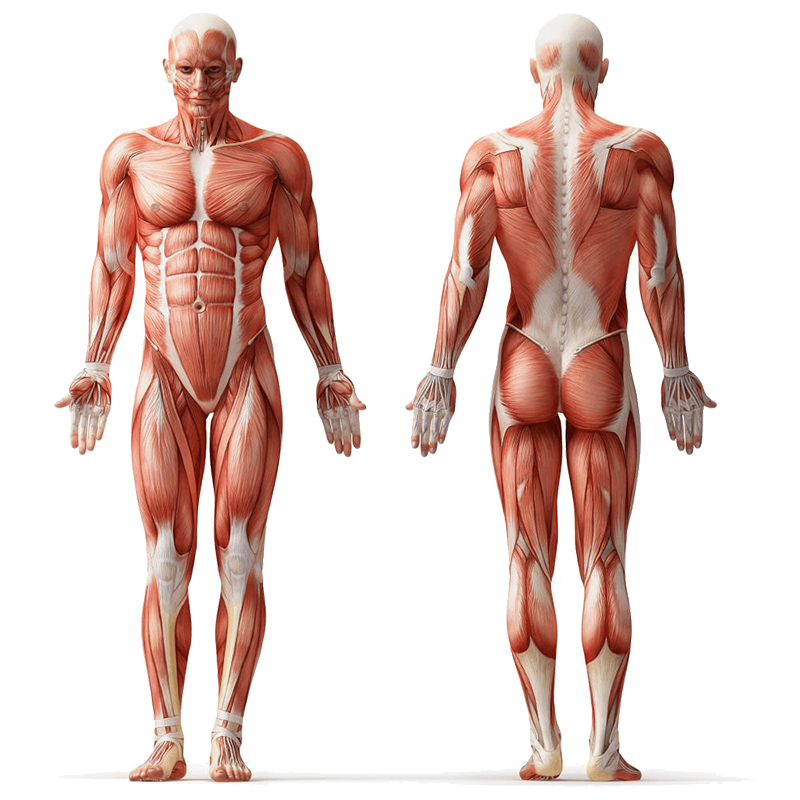
Exercise Profile

Target Muscles:

Hamstrings, Glutes

Secondary Muscles:

Lats, Rhomboids, Traps

Exercise Type:

Strength

Equipment:

Barbell

Difficulty:

Intermediate to Advanced

Mechanics:

Compound
Muscle Anatomy

The Barbell Romanian Deadlift to Row, often referred to as the RDL to Row, is a dynamic compound exercise that seamlessly combines two fundamental movements: the Romanian deadlift and the bent-over row. This integration not only enhances posterior chain strength but also amplifies upper back development, making it a valuable addition to any strength training regimen.

Primarily, this exercise targets the hamstrings and gluteus maximus (glutes) during the hip-hinge phase, while the rowing motion engages the latissimus dorsi (lats), rhomboids, and trapezius (traps). The synergistic action of these muscle groups fosters improved muscular coordination and functional strength.

Requiring a barbell and weight plates, the Barbell Romanian Deadlift to Row is categorized as a strength training exercise with a compound movement pattern. Given its complexity, it is best suited for individuals at an intermediate to advanced fitness level. Incorporating this exercise can lead to enhanced muscle hypertrophy, increased posterior chain strength, and improved posture.

Note: Consult a fitness professional or healthcare provider if you have pre-existing conditions or experience discomfort during the exercise.

Step-by-Step Instructions

To perform the Barbell Romanian Deadlift to Row effectively, follow these detailed steps:

  1. Starting Position: Stand with your feet hip-width apart, holding a barbell with a pronated (overhand) grip in front of your thighs. Maintain a slight bend in your knees.
  2. Hip Hinge: Engage your core and hinge at the hips, pushing them backward while keeping your back straight. Lower the barbell toward your shins until you feel a stretch in your hamstrings.
  3. Rowing Motion: In this hinged position, pull the barbell toward your lower ribcage by retracting your shoulder blades and bending your elbows. Ensure your torso remains stable.
  4. Lower the Barbell: Extend your arms to return the barbell to the starting position, maintaining the hip hinge.
  5. Return to Standing: Drive through your heels and thrust your hips forward to stand upright, bringing the barbell back to the front of your thighs.
  6. Repeat: Perform the desired number of repetitions, ensuring controlled movements throughout.

Tips for Proper Form

Maintaining proper form is crucial for maximizing the benefits and minimizing injury risk. Here are six key tips:

  • Maintain a Neutral Spine: Keep your back straight and avoid rounding your shoulders during the movement.
  • Engage Your Core: Activating your core muscles provides stability and supports your lower back.
  • Control the Movement: Avoid using momentum; focus on slow and deliberate motions to engage the target muscles effectively.
  • Proper Grip: Use a grip width that feels comfortable and allows full range of motion without compromising form.
  • Breathing Technique: Inhale during the hip hinge and exhale during the rowing phase to maintain intra-abdominal pressure.
  • Use Appropriate Weight: Start with a manageable weight to master the form before progressing to heavier loads.

Common Mistakes to Avoid

Even with proper guidance, certain mistakes can occur, impacting the exercise's effectiveness and safety. Here are six common errors, their implications, and solutions:

  • Rounding the Back: This can lead to lower back injuries. Focus on keeping your spine neutral throughout the exercise.
  • Overextending the Knees: Locking out the knees reduces hamstring engagement. Maintain a slight bend to keep tension on the muscles.
  • Using Momentum: Swinging the barbell diminishes muscle activation. Perform the exercise slowly and under control.</
  • Incorrect Grip Width: A grip that's too wide or narrow can strain the wrists and shoulders. Adjust to a comfortable width that aligns with your biomechanics.
  • Neglecting Core Engagement: A loose core can compromise stability. Keep your abdominal muscles tight to support your spine.
  • Lifting Too Heavy: Using excessive weight can compromise form. Prioritize technique over load to prevent injuries.

Barbell Romanian Deadlift to Row Benefits

The Barbell Romanian Deadlift to Row offers numerous advantages, enhancing both physical and mental well-being. Here are six key benefits:

  • Enhanced Posterior Chain Strength: Targets the hamstrings, glutes, and lower back, leading to improved overall strength.
  • Upper Back Development: Engages the lats, rhomboids, and traps, contributing to better posture and shoulder stability.
  • Improved Muscular Coordination: Combining two movements enhances neuromuscular efficiency and functional fitness.
  • Time Efficiency: Integrates multiple muscle groups, making it ideal for comprehensive workouts within limited time frames.
  • Increased Caloric Expenditure: Engaging large muscle groups elevates energy expenditure, aiding in fat loss.
  • Versatility: Can be modified with different grips or tempos to target specific muscle groups or training goals.

Summary

The Barbell Romanian Deadlift to Row is an effective compound movement that combines the benefits of the Romanian deadlift and the bent-over row. This exercise improves posterior chain strength, enhances upper back development, and boosts overall muscular coordination. It is ideal for intermediate to advanced lifters looking to target both the lower and upper body in one movement. With proper form and consistency, the Barbell Romanian Deadlift to Row can contribute significantly to strength, muscle hypertrophy, and improved posture.

Frequently Asked Questions

To address common queries, here are six questions and answers about the exercise, its variations, and integration into routines:

How often should I incorporate the Barbell Romanian Deadlift to Row into my routine?

Including this exercise 1-2 times per week is sufficient, ensuring adequate recovery between sessions.

Is this exercise suitable for beginners?

Due to its complexity, it's recommended for intermediate to advanced lifters. Beginners should master the individual movements first before attempting the combined variation.

Can I perform this exercise with dumbbells instead of a barbell?

Yes, using dumbbells can offer a greater range of motion and may be more comfortable for individuals with shoulder or wrist mobility issues.

What is the recommended rep and set range for this exercise?

Aim for 3-4 sets of 8-12 repetitions, depending on your fitness goals. Lower reps (4-6) with heavier weights can be used for strength, while higher reps (10-12) focus more on hypertrophy.

What muscles does the Barbell Romanian Deadlift to Row target?

This exercise primarily targets the hamstrings and glutes during the Romanian deadlift phase and the latissimus dorsi (lats), rhomboids, and trapezius (traps) during the row.

How can I modify this exercise if I have lower back issues?

If you experience lower back discomfort, try reducing the weight, maintaining a neutral spine, and engaging your core throughout the movement. Performing the exercise with dumbbells or using a trap bar can also reduce spinal stress.

Disclaimer: It’s important to keep in mind that not all exercises are suitable for everyone. Before trying out a new exercise, it’s crucial to consider factors such as your flexibility, strength, and overall health to determine whether or not the exercise is appropriate for you. Like any exercise, there is inherent danger associated with it and it can potentially cause personal injury. It’s solely the responsibility of the exerciser to bear any injury sustained from the proper or improper use of this exercise. World Fitness.Online and its partners cannot be held liable for any injury that occurs as a result of using this exercise and it’s strongly advised that you seek guidance from a professional healthcare provider before attempting any exercise or exercise program.
Facebook
Twitter
LinkedIn
Scroll to Top