
Barbell Good Morning

Video Demo, Instructions, Proper Form Tips, Common Mistakes, Benefits and FAQs
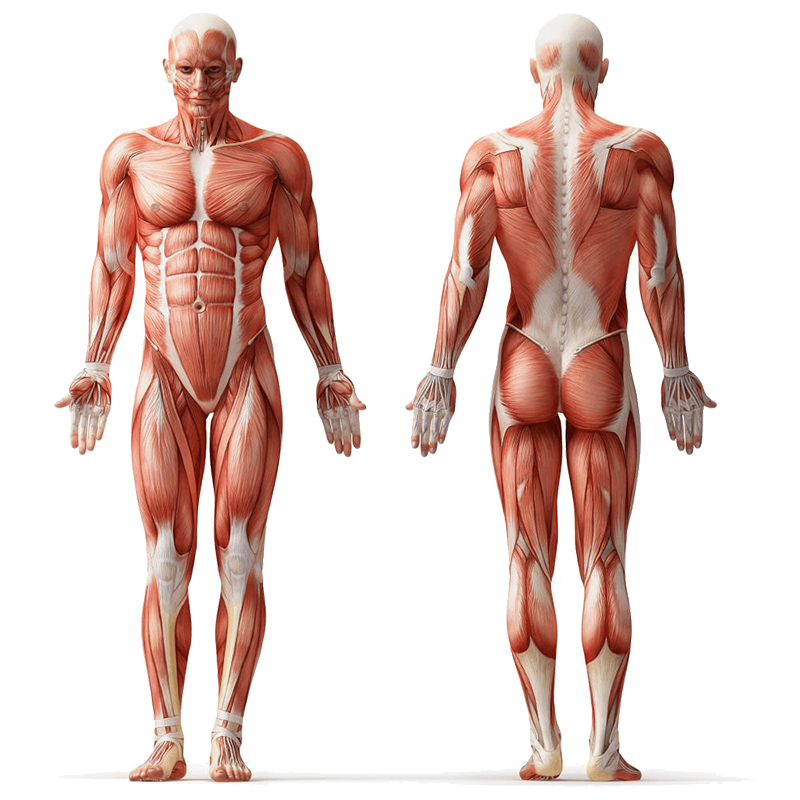
Exercise Profile

Target Muscles:

Hamstrings

Secondary Muscles:

Gluteus Maximus, Erector Spinae

Exercise Type:

Strength

Equipment:

Barbell

Difficulty:

Intermediate

Mechanics:

Compound
Muscle Anatomy

The Barbell Good Morning is a compound strength exercise that primarily targets the hamstrings (biceps femoris, semitendinosus, semimembranosus) and gluteus maximus (buttocks), while also engaging the lower back muscles, particularly the erector spinae, for stabilization. This movement involves hinging at the hips with a barbell positioned across the upper back, effectively enhancing posterior chain strength, hip hinge mechanics, and overall lower body flexibility. Suitable for individuals with an intermediate experience level, the Barbell Good Morning requires a barbell and, ideally, a squat rack for safe loading and unloading. Incorporating this exercise into your routine can improve functional movement patterns, promote muscular balance, and reduce the risk of injury by strengthening the muscles along the back of the body.

Unlike other posterior chain exercises, such as deadlifts, the Barbell Good Morning places a unique emphasis on the eccentric contraction of the hamstrings, contributing to increased muscle activation and development. The hip-hinge movement pattern reinforced by this exercise is fundamental to many athletic and daily activities, making it a valuable addition to strength training programs focused on enhancing performance and functional fitness.

Before attempting the Barbell Good Morning, ensure you have mastered basic hip-hinge movements and possess adequate core strength to maintain stability throughout the exercise. A thorough warm-up focusing on the lower back, hamstrings, and glutes is recommended to prepare the muscles and joints for the movement. Always prioritize proper form over lifting heavier weights to prevent strain or injury.

In the following sections, we will provide detailed step-by-step instructions, tips for maintaining proper form, discuss the benefits of the Barbell Good Morning, highlight common mistakes to avoid, and address frequently asked questions to offer a comprehensive understanding of this exercise.

By mastering the Barbell Good Morning, you can enhance your posterior chain strength and contribute to a balanced and functional physique.

*Note: If you have any pre-existing lower back or hip conditions or experience discomfort during the exercise, consult with a fitness professional or healthcare provider before continuing.*

Step-by-Step Instructions

  1. Set up a barbell in a squat rack at shoulder height. Load the barbell with an appropriate weight for your experience level.
  2. Stand under the barbell and position it across your upper back, resting it comfortably on your traps. Grip the barbell firmly with your hands slightly wider than shoulder-width apart.
  3. Engage your core muscles and step out of the rack, positioning your feet shoulder-width apart. This is your starting position.
  4. Inhale deeply to brace your core and maintain a neutral spine throughout the movement.
  5. Hinge at your hips, pushing them backward as you lower your torso toward the floor. Keep your knees slightly bent and avoid rounding your back.
  6. Lower your torso until it is nearly parallel to the ground or until you feel a stretch in your hamstrings. Your range of motion will depend on your flexibility and mobility.
  7. Pause briefly at the bottom of the movement while maintaining tension in your hamstrings and glutes.
  8. Exhale as you drive your hips forward, returning to the starting position. Keep your back straight and your core engaged throughout the upward movement.
  9. Repeat for the desired number of repetitions, then carefully re-rack the barbell.

Tips for Proper Form

  • Start with a light barbell or no weight to practice the movement and master proper form.
  • Engage your core and keep your spine neutral to avoid lower back strain.
  • Focus on hinging at the hips rather than bending at the waist to maintain proper mechanics.
  • Maintain a slight bend in your knees to prevent locking out and to reduce strain on the joints.
  • Avoid rounding your shoulders or back at any point during the exercise.
  • Breathe steadily: inhale as you lower into the hinge and exhale as you return to the upright position.

Common Mistakes to Avoid

  • Using excessive weight, which can compromise form and increase the risk of injury.
  • Rounding the back, which places undue stress on the spine and reduces effectiveness.
  • Failing to engage the core, leading to instability and poor posture.
  • Neglecting the hip hinge, which turns the movement into a squat rather than a proper Good Morning.
  • Lowering too quickly, which compromises control and increases the risk of injury.
  • Failing to warm up properly, which can lead to muscle strain, particularly in the hamstrings and lower back.

Barbell Good Morning Benefits

  • Strengthens the posterior chain, including the hamstrings, glutes, and lower back.
  • Improves hip hinge mechanics, which are critical for exercises like deadlifts and squats.
  • Enhances flexibility and mobility in the hamstrings and hips.
  • Promotes core stabilization and overall posture improvement.
  • Increases muscle endurance and resistance to lower back fatigue.
  • Contributes to functional fitness, aiding in movements like lifting and bending in daily life.

Summary

The Barbell Good Morning is a valuable compound exercise for strengthening the posterior chain, improving flexibility, and enhancing functional movement patterns. By focusing on proper form and controlled movements, you can safely integrate this exercise into your strength training routine for optimal results.

FAQs

How often should I include the Barbell Good Morning in my workout routine?

Incorporate this exercise 1–2 times per week, ensuring proper recovery between sessions.

Is the Barbell Good Morning suitable for beginners?

It is better suited for individuals with intermediate fitness levels. Beginners should start with bodyweight or unweighted variations to master the hip hinge movement.

Can I perform the Barbell Good Morning with other equipment?

Yes, you can use a resistance band, dumbbells, or a kettlebell as alternatives to the barbell for added versatility.

What should I do if I experience lower back pain during the exercise?

Stop the exercise immediately and consult a fitness professional. Focus on improving your form or try an alternative exercise like Romanian Deadlifts.

How many reps and sets should I perform?

A typical starting point is 3 sets of 10–12 reps, adjusting based on your fitness goals and experience level.

Can this exercise improve performance in other lifts?

Yes, strengthening the posterior chain and enhancing hip hinge mechanics can improve performance in exercises like deadlifts and squats.

Disclaimer: It’s important to keep in mind that not all exercises are suitable for everyone. Before trying out a new exercise, it’s crucial to consider factors such as your flexibility, strength, and overall health to determine whether or not the exercise is appropriate for you. Like any exercise, there is inherent danger associated with it and it can potentially cause personal injury. It’s solely the responsibility of the exerciser to bear any injury sustained from the proper or improper use of this exercise. World Fitness.Online and its partners cannot be held liable for any injury that occurs as a result of using this exercise and it’s strongly advised that you seek guidance from a professional healthcare provider before attempting any exercise or exercise program.
Facebook
Twitter
LinkedIn
Scroll to Top