
Barbell Curls

Video Demo, Instructions, Proper Form Tips, Common Mistakes, Benefits and FAQs
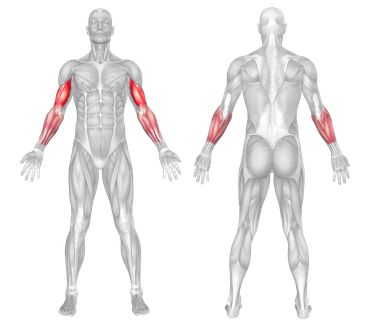
Exercise Profile

Target Muscles:

Biceps

Secondary Muscles:

Forearms

Exercise Type:

Strength

Equipment:

Barbell

Difficulty:

Beginner to Advanced

Mechanics:

Isolation
Target Muscle Group

The Barbell Curls, also known as the Barbell Bicep Curls, is a classic isolation exercise designed to build strength and size in the biceps brachii (commonly referred to as the front of the upper arm). This movement is a staple in bodybuilding and strength training programs because of its simplicity and effectiveness. It isolates the elbow joint, allowing you to focus purely on contracting the biceps, while also engaging supporting muscles like the brachialis (beneath the biceps) and the brachioradialis (forearm), helping to create well-rounded arm development.

This exercise is typically performed with a straight barbell, though variations can involve an EZ-bar or even specialty bars for wrist comfort. It's accessible to a wide range of fitness levels—from beginners learning basic arm mechanics to advanced lifters looking to fine-tune their aesthetics or break through plateaus. What makes the barbell curl particularly valuable is its ability to load the biceps symmetrically and progressively, making it easier to track strength gains over time.

Unlike compound movements that recruit multiple joints and muscle groups, the barbell curl is a single-joint exercise (isolation), which means it allows for more targeted overload of the biceps. It’s also highly customizable: trainees can adjust grip width, tempo, or incorporate pause reps to enhance difficulty or emphasize specific portions of the movement.

Whether your goal is to sculpt more muscular arms, increase pulling strength, or enhance grip endurance, barbell curls serve as a foundational tool to help you get there. They can be performed as a standalone arm builder or included in upper-body or full-body routines for synergistic gains.

Note: Consult a fitness professional or healthcare provider if you have pre-existing conditions or experience discomfort during the exercise.

Step-by-Step Instructions

To perform Barbell Curls effectively, follow these detailed steps:

  1. Stand upright with your feet shoulder-width apart, holding a barbell with an underhand grip (palms facing up), hands also shoulder-width apart.
  2. Keep your back straight, chest up, and shoulders relaxed. Your arms should be fully extended, and the barbell should rest against your thighs.
  3. Engage your core muscles to stabilize your torso throughout the movement.
  4. While keeping your upper arms stationary, exhale and curl the barbell upward by contracting your biceps. Focus on moving only your forearms.
  5. Continue lifting until the barbell reaches shoulder level, ensuring a full contraction of the biceps.
  6. Pause briefly at the top of the movement, squeezing your biceps.
  7. Inhale and slowly lower the barbell back to the starting position, maintaining control to engage the muscles effectively.
  8. Repeat for the desired number of repetitions.

Tips for Proper Form

Maintaining proper form is crucial for maximizing the benefits and minimizing injury risk. Here are key tips:

  • Keep your elbows close to your torso: Prevent your elbows from flaring out to maintain tension on the biceps.
  • Avoid using momentum: Refrain from swinging your body or using your back to lift the weight; isolate the biceps for effective engagement.
  • Control the movement: Perform both the lifting and lowering phases slowly to maximize muscle activation.
  • Maintain a neutral wrist position: Keep your wrists straight to avoid unnecessary strain.
  • Choose an appropriate weight: Select a weight that allows you to perform the exercise with proper form for the entire set.
  • Breathe properly: Exhale during the curl and inhale while lowering the barbell to maintain oxygen flow and muscle efficiency.

Common Mistakes to Avoid

Even with proper guidance, certain mistakes can occur, impacting the exercise's effectiveness and safety. Here are common errors, their implications, and solutions:

  • Using excessive weight: Lifting too heavy can compromise form and increase injury risk. Start with a manageable weight and progress gradually.
  • Allowing the elbows to move forward: This shifts tension away from the biceps. Keep elbows stationary to maintain proper muscle engagement.
  • Leaning back during the curl: This compensatory movement reduces biceps activation and strains the lower back. Stand upright with a stable core.
  • Incomplete range of motion: Not fully extending or contracting the arms limits muscle development. Perform the full range for optimal results.
  • Rapid repetitions: Performing reps too quickly reduces time under tension. Slow, controlled movements are more effective for muscle growth.
  • Neglecting the eccentric phase: Dropping the barbell quickly misses the benefits of the lowering phase. Control the descent to maximize gains.

Barbell Curls Benefits

Barbell Curls offer numerous advantages, enhancing both physical and mental well-being. Here are key benefits:

  • Increased biceps size and strength: Targeted muscle engagement leads to hypertrophy and strength gains.
  • Improved muscular endurance: Regular practice enhances the biceps' ability to perform sustained work.
  • Enhanced grip strength: Holding the barbell challenges the forearm muscles, improving grip.
  • Better aesthetics: Developed biceps contribute to a balanced and muscular upper body appearance.
  • Functional strength: Strong biceps assist in daily activities like lifting and carrying objects.
  • Versatility: Barbell Curls can be modified with different grips and equipment to vary the stimulus and target muscles differently.

Summary

Barbell Curls are a foundational exercise in strength training, effectively targeting the biceps to enhance size, strength, and functionality. By adhering to proper form and integrating them into your workout routine, you can achieve significant improvements in arm development and overall upper body strength.

FAQs

How often should I include Barbell Curls in my workout routine?

Incorporate Barbell Curls 1-2 times per week, allowing sufficient recovery between sessions for optimal muscle growth.

Can beginners perform Barbell Curls?

Yes, beginners can perform Barbell Curls using light weights to master proper form before progressing to heavier loads.

Is it better to use a straight bar or an EZ-bar for curls?

Both bars are effective; however, an EZ-bar may reduce wrist strain due to its angled grips, providing a more comfortable alternative.

How many sets and repetitions are recommended?

A common recommendation is 3-4 sets of 8-12 repetitions, balancing muscle hypertrophy and endurance.

Should I perform Barbell Curls standing or seated?

Standing Barbell Curls engage core muscles for stabilization, while seated variations isolate the biceps more by reducing body movement.

Can Barbell Curls help improve my performance in other exercises?

Yes, stronger biceps can enhance performance in compound movements like pull-ups and rows by providing better assistance during these exercises.

Disclaimer: It’s important to keep in mind that not all exercises are suitable for everyone. Before trying out a new exercise, it’s crucial to consider factors such as your flexibility, strength, and overall health to determine whether or not the exercise is appropriate for you. Like any exercise, there is inherent danger associated with it and it can potentially cause personal injury. It’s solely the responsibility of the exerciser to bear any injury sustained from the proper or improper use of this exercise. World Fitness.Online and its partners cannot be held liable for any injury that occurs as a result of using this exercise and it’s strongly advised that you seek guidance from a professional healthcare provider before attempting any exercise or exercise program.
Facebook
Twitter
LinkedIn
Scroll to Top