
Band Side Lying Leg Raise

Video Demo, Instructions, Proper Form Tips, Common Mistakes, Benefits and FAQs
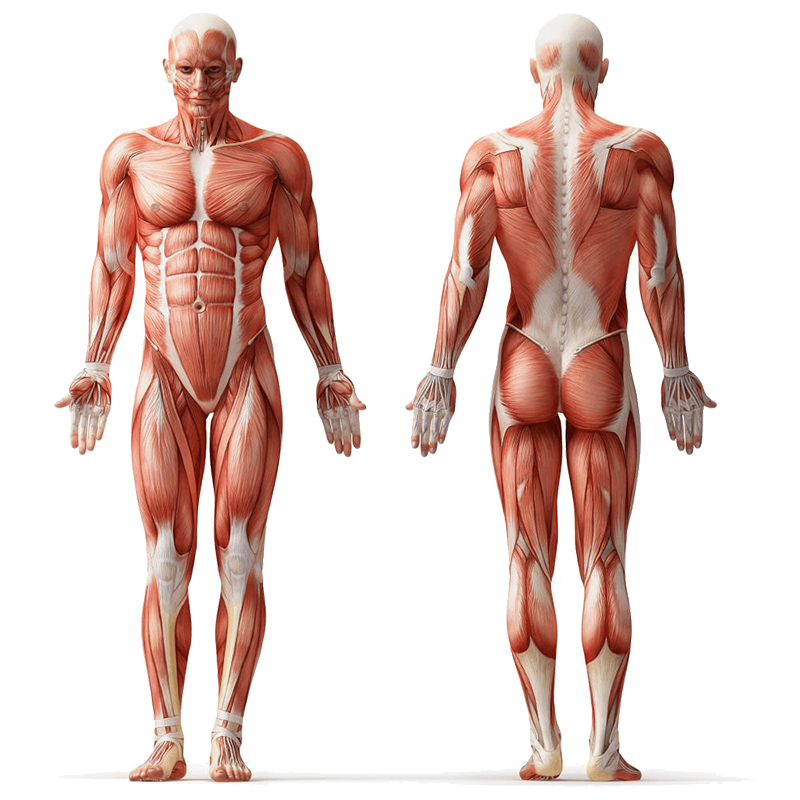
Exercise Profile

Target Muscles:

Glutes

Secondary Muscles:

Hip Flexors, Core

Exercise Type:

Strength

Equipment:

Resistance Band/Tube, Bodyweight

Difficulty:

Beginner to Intermediate

Mechanics:

Isolation
Muscle Anatomy

The Band Side Lying Leg Raise is a highly effective lower-body isolation exercise that strengthens the glutes, particularly the gluteus medius, while also engaging the hip abductors and core. Performed with a resistance band looped around the thighs or ankles, this movement provides continuous tension, making it more challenging than the bodyweight-only version. It’s a simple yet powerful exercise that helps improve hip stability, balance, and lower-body control.

Because the gluteus medius plays a vital role in stabilizing the pelvis, this exercise is valuable not only for strength training but also for injury prevention and rehabilitation. Band side lying leg raises are often recommended for athletes, runners, and anyone looking to improve hip strength, posture, and movement efficiency. They’re beginner-friendly but scalable with resistance bands of different strengths, making them suitable for both novice and more experienced exercisers.

Safety Considerations

Always use a high-quality resistance band that won’t snap during use. Perform the exercise on a comfortable mat to protect your hips. Keep movements slow and controlled to avoid jerking motions. If you feel discomfort in your lower back or hip joints, reduce the range of motion or switch to a lighter band. Avoid rolling your hips backward, as this reduces glute engagement and increases strain elsewhere.

Note: Consult a fitness professional or healthcare provider if you have pre-existing conditions or experience discomfort during the exercise.

Step-by-Step Instructions

Here’s how to perform the Band Side Lying Leg Raise correctly:

  1. Lie down on one side on a mat, with legs stacked and body in a straight line.
  2. Loop a resistance band around your thighs just above the knees or around your ankles.
  3. Rest your head on your bottom arm and place your top hand on the floor for support.
  4. Engage your core and slowly lift your top leg upward against the band’s resistance.
  5. Pause briefly at the top, squeezing your glutes.
  6. Lower your leg back down with control without letting knees touch fully.
  7. Complete the desired reps, then switch to the other side.

Tips for Proper Form

To maximize effectiveness, keep these tips in mind:

  • Keep hips stacked—avoid rolling backward or forward.
  • Move leg slowly to maintain constant tension on the glutes.
  • Engage your core throughout to stabilize your torso.
  • Breathe steadily—exhale on the lift, inhale on the return.
  • Start with a lighter band before progressing to stronger resistance.
  • Focus on quality of reps over quantity.

Common Mistakes to Avoid

Be cautious of these mistakes:

  • Rolling hips backward, reducing glute activation.
  • Using momentum instead of controlled movement.
  • Lifting the leg too high, which can strain the hip.
  • Letting band snap leg downward.
  • Neglecting to keep core engaged for stability.
  • Performing reps too quickly without tension.

Primary Benefits

The Band Side Lying Leg Raise provides many benefits:

  • Strengthens gluteus medius and outer hip muscles.
  • Improves hip stability and balance.
  • Engages core for added stability.
  • Helps correct muscle imbalances in lower body.
  • Low-impact and suitable for injury prevention or rehab.
  • Can be progressed easily with stronger bands.

Regressions

If this feels too challenging, try:

  • Performing side lying leg raises without a resistance band.
  • Using a lighter band with less resistance.
  • Reducing the range of motion.
  • Practicing clamshells as a simpler alternative.

Progressions

To make it harder, try:

  • Using a heavier resistance band.
  • Holding the top position for 2–3 seconds.
  • Slowing down tempo to increase time under tension.
  • Adding ankle weights for extra challenge.

Summary

The Band Side Lying Leg Raise is a beginner-to-intermediate exercise that strengthens the glutes and hip abductors while engaging the core for stability. It’s a versatile movement used in strength training, warm-ups, and rehabilitation. With regressions and progressions available, it’s accessible for beginners and challenging enough for advanced lifters, making it a must-have for building lower-body stability and strength.

FAQs

Here are common questions about the Band Side Lying Leg Raise:

What muscles does this exercise target?

It mainly targets the glutes, especially the gluteus medius, with support from hip abductors and core.

Do I need a resistance band?

A band increases effectiveness, but it can also be done bodyweight-only for beginners.

Is this safe for beginners?

Yes, it’s beginner-friendly and can be scaled with lighter bands or no band at all.

How many reps should I do?

10–20 reps per side for 2–3 sets is effective.

Can it be used for rehabilitation?

Yes, it’s commonly used in hip and knee rehab programs.

What’s the difference between this and clamshells?

Clamshells involve bent knees, while side lying leg raises extend the leg straight, offering a wider range of motion.

Disclaimer: It’s important to keep in mind that not all exercises are suitable for everyone. Before trying out a new exercise, it’s crucial to consider factors such as your flexibility, strength, and overall health to determine whether or not the exercise is appropriate for you. Like any exercise, there is inherent danger associated with it and it can potentially cause personal injury. It’s solely the responsibility of the exerciser to bear any injury sustained from the proper or improper use of this exercise. World Fitness.Online and its partners cannot be held liable for any injury that occurs as a result of using this exercise and it’s strongly advised that you seek guidance from a professional healthcare provider before attempting any exercise or exercise program.
Facebook
Twitter
LinkedIn
Scroll to Top