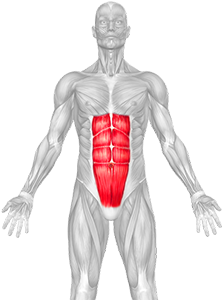
The Alternate Leg Raise, also known as Alternating Leg Lift, is a body-weight exercise primarily aimed at strengthening the lower abdominal muscles. This exercise is highly beneficial for beginners looking to enhance their core stability and strength without requiring any specialized equipment. The Alternate Leg Raise is categorized as an Isolation movement because it focuses on the lower abs by isolating the hip flexors and abdominal muscles without engaging multiple joints. It also activates secondary muscle groups such as the lower back and obliques.
This exercise is perfect for those at a Beginner to Intermediate level and is classified under the Strength exercise type. In addition to its core-strengthening benefits, it is also an excellent way to improve overall balance and flexibility. Historically, leg raises have been a staple in fitness routines due to their effectiveness in targeting the hard-to-reach lower abdominal area.
Alternate Leg Raise Step-by-Step Instructions
- Lie flat on your back on a mat, with your legs extended and your arms by your sides, palms facing down.
- Engage your core by pulling your navel towards your spine. This will help stabilize your lower back.
- Lift your right leg off the ground while keeping it straight, raising it to about a 45-degree angle or until it aligns with your left knee.
- Slowly lower your right leg back to the starting position without letting it touch the ground.
- Immediately lift your left leg, repeating the same movement and raising it to a 45-degree angle.
- Continue to alternate legs in a controlled and steady manner, maintaining the same rhythm and focusing on your breath.
- Perform the exercise for the desired number of repetitions or duration.
Alternate Leg Raise, Tips for Proper Form
- Keep your lower back pressed into the mat to prevent strain and maintain proper alignment.
- Move slowly and with control to maximize the engagement of your core muscles.
- Avoid using momentum to lift your legs; instead, focus on using your abdominal muscles.
- Keep your head and shoulders relaxed throughout the exercise to avoid unnecessary tension.
- Breath out as you lift your leg and inhale as you lower it to maintain a steady breathing pattern.
- Start with a smaller range of motion if you are new to this exercise and gradually increase it as your strength improves.
Alternate Leg Raise Benefits
- Strengthens the lower abdominal muscles, enhancing core stability.
- Improves balance and coordination through controlled leg movements.
- Enhances flexibility in the hip flexors and lower back.
- Helps in reducing lower back pain by strengthening the supporting muscles.
- Requires no equipment, making it accessible for anyone, anywhere.
- Can be easily incorporated into various workout routines for added core conditioning.
Alternate Leg Raise Common Mistakes to Avoid
- Arching the lower back off the mat, which can lead to strain and injury.
- Using momentum instead of muscle strength to lift the legs.
- Holding your breath, which can increase tension and reduce effectiveness.
- Moving too quickly, which diminishes the engagement of the core muscles.
- Letting the legs touch the ground between repetitions, reducing the intensity of the exercise.
- Overextending the range of motion before building adequate core strength.
Alternate Leg Raise Summary
The Alternate Leg Raise is an effective isolation exercise targeting the lower abdominal muscles. Ideal for beginners to intermediate fitness levels, it enhances core strength, balance, and flexibility without the need for equipment. Proper form is crucial to prevent injury and maximize benefits, making this exercise a versatile addition to any workout routine.
Alternate Leg Raise FAQs
How often should I perform Alternate Leg Raises?
You can perform Alternate Leg Raises 2-3 times a week as part of your core workout routine, ensuring you have a rest day in between sessions.
Can I do Alternate Leg Raises every day?
It is not recommended to do them daily as your muscles need time to recover. Aim for every other day to allow for proper recovery and muscle growth.
What should I do if I feel pain in my lower back during the exercise?
Stop immediately and reassess your form. Ensure your lower back remains pressed into the mat. If the pain persists, consult a fitness professional or healthcare provider.
How can I make Alternate Leg Raises more challenging?
To increase the difficulty, you can add ankle weights or perform the exercise on an incline bench.
Are Alternate Leg Raises suitable for everyone?
This exercise is generally safe for most people. However, those with lower back issues should approach with caution and possibly seek guidance from a professional.
What other exercises complement Alternate Leg Raises?
Exercises like planks, Russian twists, and bicycle crunches complement Alternate Leg Raises by targeting different areas of the core.
Alternate Leg Raise Excerpt
Strengthen your lower abs with the Alternate Leg Raise, a beginner-friendly exercise that enhances core stability and flexibility. Perfect for any workout routine.