
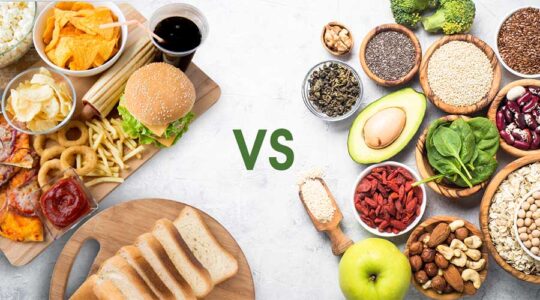
Separating Myths From Facts
When it comes to weight loss, carbs often get a bad reputation. Many diets vilify carbs and promote low carb or carb-free eating as the key to weight loss. But is this really the case? Here’s the truth about carbs and weight loss:
Myth: All carbs are bad and should be avoided
Fact: This is not true. Carbohydrates are an important macronutrient that provide the body with energy. They are found in a variety of foods, including grains, fruits, vegetables, and dairy products. While it is true that some types of carbs, such as refined grains and added sugars, can be detrimental to health when consumed in excess, other types of carbs, such as whole grains, fruits, and vegetables, are nutritious and provide important nutrients such as fiber, vitamins, and minerals.
It is important to focus on including a variety of whole, unprocessed carb sources in your diet, rather than avoiding carbs entirely. This means choosing foods like whole grains, fruits, and vegetables, which are rich in fiber and other nutrients, over refined carbs and added sugars.
Consuming too many refined carbs and added sugars can lead to weight gain and other health problems, such as an increased risk of heart disease, type 2 diabetes, and some types of cancer. However, this does not mean that carbs in general are bad for you. In fact, the 2015-2020 Dietary Guidelines for Americans recommend that adults get 45-65% of their daily calories from carbs.
It is important to remember that all types of food can be part of a healthy diet when consumed in moderation. Rather than avoiding carbs entirely, focus on including a variety of whole, unprocessed carb sources in your diet and moderating your intake of refined carbs and added sugars. This will help you to maintain a healthy weight and overall good health.
Myth: Low carbs diets are the best way to lose weight
Fact: While it is true that reducing carbohydrate intake can lead to weight loss, low carb diets may not be the best or most sustainable option for everyone.
There are several different types of low carb diets, including the Atkins diet, the ketogenic diet, and the paleo diet. These diets typically involve reducing carb intake to very low levels, often less than 20% of daily calories, and increasing the proportion of calories from protein and fat.
Some people may experience weight loss on a low carb diet due to a decrease in calorie intake and an increase in protein, which can help to reduce appetite and promote feelings of fullness. However, low carb diets may not be the most sustainable option for long-term weight loss.
While reducing carb intake can lead to short-term weight loss, it is important to consider the potential drawbacks of low carb diets. These include an increased risk of nutrient deficiencies, difficulty sticking to the diet long-term, and potential negative effects on athletic performance.
It is important to remember that the best way to lose weight and keep it off is to adopt a healthy, balanced diet that includes a variety of nutrient-dense foods and regular physical activity. Instead of focusing on reducing a specific macronutrient, such as carbs, it is more effective to focus on overall calorie balance and the quality of the foods you are eating.
Myth: Carbs cause blood sugar spikes
Fact: This is not necessarily true. While it is true that carbs can affect blood sugar levels, the extent to which they do so depends on a number of factors, including the type and amount of carbs consumed, as well as the presence of other nutrients such as fiber, protein, and fat.
Carbs are broken down into glucose (a type of sugar) in the body, which is then absorbed into the bloodstream. This can cause a rise in blood sugar levels. However, not all carbs have the same effect on blood sugar.
Simple carbs, such as those found in refined grains and added sugars, are quickly absorbed into the bloodstream and can cause a rapid and significant rise in blood sugar levels. These types of carbs are often referred to as “high glycemic index” (GI) carbs.
On the other hand, complex carbs, such as those found in whole grains, legumes, and vegetables, are absorbed more slowly into the bloodstream and can cause a slower and more moderate rise in blood sugar levels. These types of carbs are often referred to as “low glycemic index” (GI) carbs.
In addition, the presence of other nutrients, such as fiber, protein, and fat, can slow the absorption of carbs and help to prevent blood sugar spikes.
It is important to consider the type and amount of carbs you are consuming, as well as the presence of other nutrients, when it comes to blood sugar management. Choosing whole, unprocessed carb sources and including sources of protein, fiber, and healthy fats at meals and snacks can help to maintain blood sugar levels within a healthy range.