
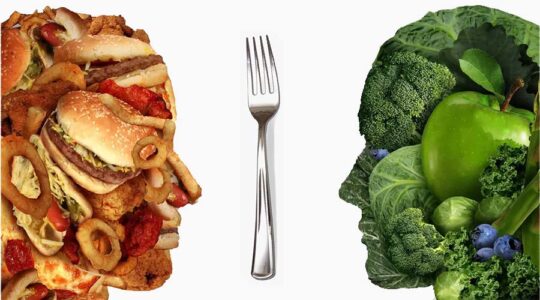
If you’re trying to lose weight, cutting out certain foods can help you achieve your goals. Here are the top five foods to avoid for effective weight loss:
1. Processed snacks and desserts:
Processed snacks and desserts are commonly found in many people’s diets, but they can be detrimental to weight loss efforts. These foods are often high in added sugars and unhealthy fats, such as trans fats and saturated fats, which can contribute to weight gain. Consuming foods high in added sugars can also lead to a spike in blood sugar levels, followed by a crash, which can cause fatigue, irritability and cravings for more sugary foods. Additionally, these types of foods are often low in essential nutrients such as vitamins and minerals, which can leave you feeling less satisfied, and thus more likely to indulge in further snacking.
Processed snacks and desserts, such as chips, cookies, and cakes, are typically high in calories and low in protein, fiber, and other essential nutrients, which means that they don’t provide much nutritional value, and they won’t keep you feeling full for long. Even if a snack is advertised as “diet” or “low-fat,” it may still be high in sugar and calories.
Instead of reaching for processed snacks and desserts, consider incorporating healthier options such as fresh fruits, vegetables, or homemade protein bars or energy balls made from whole food ingredients. These options will provide your body with essential nutrients and help keep you feeling full and satisfied, ultimately reducing the urge to snack on less healthy options.
Another aspect of this type of foods is that it highly processed, meaning it went through many steps to remove whole food ingredients and add preservatives, added sugars, artificial flavors, and color. This process can remove many benefits of those foods and make them much less healthy than they were initially.
In conclusion, when trying to lose weight, it’s important to be mindful of the foods you’re consuming and to limit your intake of processed snacks and desserts as they are often high in added sugars and unhealthy fats, and low in essential nutrients. Instead, opt for whole foods that are high in protein, fiber, and other essential nutrients to help keep you feeling full and satisfied.
2. Sugary drinks:
Sugary drinks, such as soda, sweetened coffee drinks, and fruit juices, are a major contributor to weight gain and are often high in added sugars. These types of beverages are often consumed in large quantities, which can lead to an excessive intake of calories, which can contribute to weight gain. Additionally, many sugary drinks are high in fructose, a natural sugar found in fruits, but when consumed in large quantities in the form of added sugars, it can lead to health problems.
One of the major problems with sugary drinks is that they don’t tend to fill you up, so even if you consume a large amount of calories from a sugary drink, you may still end up feeling hungry and eating more overall. The high sugar content in the drinks can lead to an insulin spike which then leads to an insulin crash and this might end up causing more hunger than satiety.
Examples of sugary drinks include soda, such as Coca-Cola and Pepsi, which can contain as much as 39 grams of sugar in a 12-ounce can. Fruit juices can also be high in sugar and calories, even if they are marketed as “natural” or “healthy.” Some coffee and tea drinks, especially those from chain coffee shops, can be loaded with syrups, whipped cream, and other added sugars.
A better alternative for staying hydrated and supporting weight loss is to stick to water, unsweetened tea, and coffee. Water is the best choice for hydration and has no calories. Unsweetened tea and coffee can also be good options, as long as you don’t add sugar or high-calorie creamers. Also, try to avoid artificial sweeteners, they might not contain calories but they can also cause cravings and lead to overeating.
It’s worth noting that a lot of people might struggle to change their drinking habits at once, In that case, it’s suggested to try to reduce the intake of sugary drinks gradually, swapping one sugary drink for a healthier alternative each week. You can also try to make your own flavored water by adding fruits or herbs to your water. This can be a great way to infuse your water with natural flavors without adding any calories or sugar.
In conclusion, limiting your intake of sugary drinks is an important step in achieving weight loss. These drinks are often high in added sugars, which can contribute to weight gain and don’t tend to fill you up, leading to eating more overall. Water, unsweetened tea, and coffee are much healthier options for staying hydrated and supporting weight loss. Try to be mindful of what you are drinking, look at the nutrition labels and try to reduce the intake of sugary drinks gradually.
3. Refined grains:
Refined grains, such as white bread, pasta, and white rice, are common staples in many people’s diets, but they can be detrimental to weight loss efforts. These types of grains have been processed to remove the bran, germ, and endosperm, which results in the removal of most of the nutrients, such as fiber, vitamins, and minerals. The refining process also often leads to a higher calorie content, but with less nutrients per calorie, which make it less satisfying.
Refined grains can cause blood sugar spikes which can lead to insulin resistance. Insulin resistance is a condition in which the body’s cells don’t respond properly to insulin, a hormone that regulates blood sugar levels. This can contribute to weight gain and also increase the risk of diabetes and other metabolic disorders.
A better option for weight loss and overall health is to opt for whole grains such as whole wheat bread, quinoa, and brown rice. Whole grains are higher in fiber, which can help keep you feeling full and satisfied, reducing the urge to snack on less healthy options. Whole grains also retain more of their nutrients than refined grains, providing your body with essential vitamins, minerals, and antioxidants. Whole grains have a lower glycemic index which means they release sugar into the bloodstream more slowly, preventing sugar spikes and crashes.
Examples of whole grains include:
- Whole wheat bread: made with whole wheat flour, instead of refined wheat flour.
- Quinoa: a grain-like seed that is high in protein and fiber.
- Brown rice: has the bran and germ still attached, making it more nutritious than white rice.
- Oatmeal: made with whole oats and high in fiber.
- Barley, Bulgur, Farro, and many more.
It’s worth noting that not all products labeled as “whole grain” are equally nutritious, some products contain only small amounts of whole grains mixed with refined grains, so make sure to read the ingredient list and look for “whole grain” as the first ingredient.
In conclusion, refined grains such as white bread, pasta, and white rice can contribute to weight gain and cause blood sugar spikes, it’s important to limit your intake of these types of grains. Instead, opt for whole grains, such as whole wheat bread, quinoa, and brown rice, which are higher in fiber and nutrients. Whole grains will keep you feeling full and satisfied and provide your body with essential vitamins, minerals, and antioxidants. Make sure to read the ingredient list and look for “whole grain” as the first ingredient.
4. Fried foods:
Fried foods, such as french fries, fried chicken, and doughnuts, are commonly found in many people’s diets, but they can be detrimental to weight loss efforts. These types of foods are high in unhealthy fats and calories, which can contribute to weight gain. Fried foods are often cooked in oils that have been reused multiple times, which can lead to the formation of harmful compounds called advanced glycation end products (AGEs) which can contribute to chronic health problems like type 2 diabetes, heart disease, and even cancer.
Fried foods are also often high in sodium, which can contribute to high blood pressure and an increased risk of heart disease. They also tend to be high in calories, but low in fiber and other essential nutrients, which can leave you feeling less satisfied and more likely to indulge in further snacking.
Examples of fried foods include:
- French fries, which are often high in calories and sodium, and can be cooked in oil that has been reused multiple times.
- Fried chicken, which is often breaded and deep-fried, can be high in calories, fat, and sodium.
- Doughnuts, which are often deep-fried and coated in sugary glaze or icing, can be high in calories, fat, and sugar.
A better alternative for weight loss and overall health is to opt for healthier cooking methods such as baking, grilling, or sautéing. These methods of cooking do not require as much oil and can help to keep the calorie and fat content of your food low. Baking, grilling and sautéing methods also help retain more of the food’s natural flavor, whereas fried food often relies on oil to provide the flavor. Additionally, these methods are often faster and easier to prepare, making them a more convenient option.
When grilling, try to use a nonstick cooking spray or a small amount of oil to prevent food from sticking to the grill. when baking you can use silicone baking mats or parchment paper. When sautéing you can use small amount of oil and make sure to cook on medium-high heat to avoid burning.
It’s worth noting that even healthy foods such as vegetables or fish can be unhealthy if they are fried, so it’s important to be mindful of the cooking method and choose healthier options.
In conclusion, Fried foods are high in unhealthy fats and calories, which can contribute to weight gain. These types of foods are often low in fiber and other essential nutrients, leaving you feeling less satisfied and more likely to indulge in further snacking. Instead, opt for healthier cooking methods such as baking, grilling, or sautéing which can help keep the calorie and fat content of your food low, retain more of the food’s natural flavor and also help you to avoid the formation of harmful compounds like AGEs. Try to use a nonstick cooking spray or a small amount of oil when cooking and always choose healthier options.
5. Alcohol:
Alcohol can be a major contributor to weight gain, even in moderate amounts. It is high in calories, with 7 calories per gram, which is almost as many calories as fat. This means that even a small amount of alcohol can add a significant number of calories to your diet, which can contribute to weight gain over time. Additionally, alcohol can also impair your judgment and lead to overeating, as it can lower inhibitions and make you more likely to indulge in high-calorie, unhealthy foods.
Excessive alcohol consumption can lead to multiple health issues. It can cause disruptions in the way the body burns fat, which can make it harder to lose weight. Long term heavy drinking can also cause liver damage which can lead to metabolic disorders and make it harder to lose weight. Alcohol can also disrupt the balance of hormones in the body, leading to increased appetite and cravings for high-calorie foods.
Examples of high-calorie alcoholic drinks include:
- Margaritas, which can contain as much as 500 calories or more per serving.
- Long Island Iced Teas, which can have over 800 calories per serving.
- Fruit-flavored mixed drinks, which are often high in sugar and calories.
A better alternative for weight loss and overall health is to opt for low volume percent options, such as light beers or wine spritzers, which are lower in calories than many mixed drinks or full-strength beers. It’s also important to be mindful of your alcohol intake and to balance it with healthy choices, such as water or other non-alcoholic beverages. It’s recommended to limit alcohol consumption to one drink per day for women and two drinks per day for men.
If you choose to drink, it’s important to be mindful of how much you’re drinking and to balance it with healthy choices. Alcohol should be enjoyed in moderation and not be the main focus of any social occasion. It’s also important to eat a healthy, balanced diet and to engage in regular physical activity to support weight loss and overall health.
In conclusion, alcohol can contribute to weight gain, even in moderate amounts, it’s high in calories and can impair your judgment, leading to overeating. It’s important to be mindful of how much you’re drinking and to balance it with healthy choices. Opt for low volume percent options, such as light beers or wine spritzers, which are lower in calories than many mixed drinks or full-strength beers. It’s also recommended to limit alcohol consumption to one drink per day for women and two drinks per day for men. Enjoy alcohol in moderation, and always be mindful of the effect of alcohol on your health and weight loss goals.
By cutting out these types of foods, you can reduce your calorie intake and improve your chances of weight loss success. Remember, it’s not about deprivation or cutting out entire food groups – it’s about finding a balance and making healthier choices most of the time.