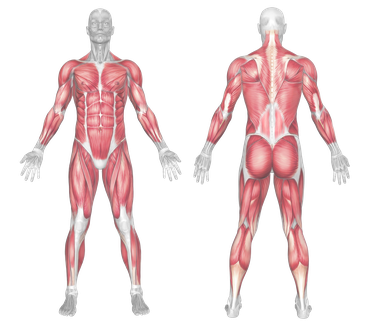
Burpees, also known as squat thrusts, are a high-intensity, full-body exercise that combines a squat, plank, push-up, and jump into one fluid movement. This exercise targets multiple muscle groups, including the quadriceps (thighs), gluteus maximus (glutes), hamstrings, pectorals (chest), triceps, and deltoids (shoulders), making it a powerful compound movement. Burpees are renowned for their cardiovascular benefits and are commonly used in CrossFit, HIIT (High-Intensity Interval Training), and military training programs.
This exercise requires no equipment, making it a versatile and convenient body-weight exercise suitable for any workout environment. Historically, burpees were developed by Royal H. Burpee in the 1930s as a quick and efficient way to assess physical fitness. Over time, they have become a staple in various fitness routines due to their effectiveness in improving strength, endurance, and overall fitness.
Burpees Step-by-Step Instructions
- Start in a standing position with your feet shoulder-width apart.
- Bend your knees and lower your body into a squat position, placing your hands on the floor in front of you.
- Jump your feet back into a plank position, keeping your body in a straight line from head to heels.
- Perform a push-up by lowering your chest to the floor and then pushing back up to the plank position.
- Jump your feet forward to return to the squat position.
- Explosively jump up into the air, reaching your hands overhead.
- Land softly and immediately go into the next repetition.
Burpees Tips for Proper Form
- Keep your hands directly under your shoulders when in the plank position to maintain proper alignment and avoid shoulder strain.
- Engage your core throughout the exercise to protect your lower back and maintain stability during the plank and push-up phases.
- Maintain a straight line from your head to your heels during the plank and push-up to ensure proper form and maximize muscle engagement.
- Land softly on your feet when jumping forward and up to reduce impact on your joints and avoid injury.
- Breathe steadily, exhaling as you push up from the floor and jump, and inhaling as you lower into the push-up and squat positions.
- Keep a steady pace that you can maintain throughout your set to ensure consistent form and avoid fatigue-related mistakes.
Burpees Benefits
- Boosts cardiovascular endurance by significantly increasing heart rate and promoting aerobic fitness.
- Enhances full-body strength, particularly targeting the legs, glutes, chest, and arms.
- Improves core strength and stability due to the engagement of abdominal muscles throughout the movement.
- Promotes functional fitness by incorporating multiple movements used in everyday activities, such as squatting, pushing, and jumping.
- Burns a high number of calories, contributing to weight loss and improved metabolic health.
- Requires no equipment, making it an accessible exercise for home workouts, outdoor training, or gym sessions.
Common Mistakes to Avoid
- Allowing the hips to sag or lift too high during the plank phase, which can lead to lower back strain and poor form.
- Performing the push-up with flared elbows, which can cause shoulder strain and decrease the effectiveness of the movement.
- Landing heavily on the feet when jumping forward and up, increasing the risk of joint injuries and reducing efficiency.
- Neglecting to engage the core, resulting in decreased stability and potential lower back issues.
- Rushing through repetitions without maintaining proper form, which can lead to injury and reduced effectiveness of the exercise.
- Skipping the squat phase and bending forward at the waist, which reduces the effectiveness of the exercise and increases the risk of lower back strain.
Summary
Burpees are a high-intensity, full-body exercise that enhances cardiovascular endurance, full-body strength, and core stability. This body-weight exercise is accessible and effective, making it an excellent addition to any workout routine. Proper form is essential to maximize benefits and prevent injuries.
FAQs
How often should I perform burpees?
Incorporate burpees into your routine 2-3 times per week, depending on your fitness goals and overall workout plan.
Can beginners do burpees?
Yes, beginners can perform burpees by starting with a manageable number of repetitions and focusing on proper form. Modifications can also be made, such as omitting the push-up or jump components.
What are the main benefits of burpees?
Burpees boost cardiovascular endurance, enhance full-body strength, improve core stability, promote functional fitness, burn calories, and require no equipment.
Can burpees help with weight loss?
Yes, burpees are a high-intensity exercise that burns calories and can aid in weight loss when combined with a healthy diet and regular exercise.
Are there any modifications for burpees?
To make burpees easier, you can omit the push-up or jump components. To increase intensity, perform the exercise faster or add an additional push-up.
What muscles do burpees work?
Burpees target multiple muscle groups, including the quadriceps (thighs), gluteus maximus (glutes), hamstrings, pectorals (chest), triceps, deltoids (shoulders), and core muscles.