
Dumbbell Curtsy Lunge

Video Demo, Instructions, Proper Form Tips, Common Mistakes, Benefits and FAQs
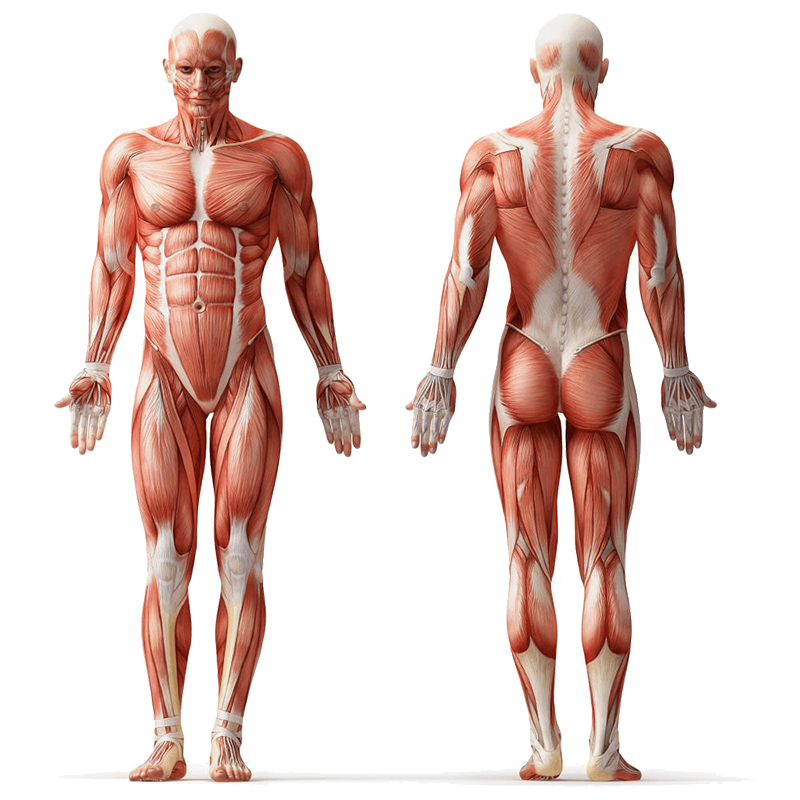
Exercise Profile

Target Muscles:

Quads, Glutes

Secondary Muscles:

Hamstrings, Calves, Adductors, and Core

Exercise Type:

Strength, Balance

Equipment:

Dumbbells

Difficulty:

Intermediate

Mechanics:

Compound
Muscle Anatomy

The Dumbbell Curtsy Lunge, also known as the Cross-Behind Lunge, is a unique lower-body exercise that emphasizes the glutes, quads, and inner thighs while improving balance and coordination. By stepping diagonally behind the body, this compound movement recruits stabilizing muscles that traditional lunges often miss, particularly targeting the gluteus medius and adductors. Holding dumbbells adds resistance, increasing muscle engagement and helping tone and sculpt the legs and hips. This move is ideal for intermediate exercisers who want to enhance symmetry, strength, and lower-body aesthetics.

Unlike standard lunges that move directly forward or backward, the Curtsy Lunge introduces a lateral element, making it an excellent option for improving hip stability and multidirectional strength. It’s a favorite among athletes and fitness enthusiasts for its functional carryover to real-life movements and sports performance.

In this detailed guide, you’ll learn proper form, safety cues, common mistakes to avoid, and variations for both beginners and advanced lifters.

Safety Considerations

Before performing Dumbbell Curtsy Lunges, ensure your training area is clear of obstacles. Start with light weights or bodyweight to master form before increasing resistance. Keep your chest lifted, spine neutral, and core tight to prevent wobbling. Avoid stepping too far behind or crossing excessively, as this can strain the knees or hips. Warm up your hips and legs with dynamic stretches and mobility drills before beginning. Note: If you experience knee or hip pain, stop immediately and consult a fitness professional or healthcare provider.

Step-by-Step Instructions

Follow these steps to perform the Dumbbell Curtsy Lunge with control and precision.

  1. Stand tall with a dumbbell in each hand, arms relaxed by your sides, and feet shoulder-width apart.
  2. Engage your core and keep your chest lifted throughout the movement.
  3. Step your right foot diagonally behind your left leg, lowering your body until your front thigh is parallel to the floor.
  4. Both knees should be bent at about 90 degrees, and your front knee should track in line with your toes.
  5. Push through your front heel to return to the starting position.
  6. Repeat the movement on the opposite side to complete one full repetition.
  7. Continue alternating legs for the desired number of reps or sets.

Tips for Proper Form

Use these helpful cues to maintain perfect form and maximize results during Dumbbell Curtsy Lunges.

  • Keep your torso upright and avoid leaning forward excessively.
  • Step back diagonally, not directly behind, to reduce hip strain.
  • Keep your front knee aligned with your toes to avoid inward collapse.
  • Engage your glutes at the top of each rep to enhance muscle activation.
  • Move slowly and with control—avoid rushing through reps.
  • Grip the dumbbells firmly but without over-tensing your arms.
  • Inhale as you lower, and exhale as you return to standing.

Common Mistakes to Avoid

Avoid these common errors to ensure safety and effectiveness during the Dumbbell Curtsy Lunge.

  • Crossing the back leg too far, which can twist the knee joint.
  • Allowing the front knee to drift inward or outward excessively.
  • Rounding the back or letting the shoulders slump forward.
  • Using momentum instead of controlled muscle engagement.
  • Holding your breath instead of maintaining a steady breathing rhythm.
  • Choosing weights that are too heavy, sacrificing balance and form.
  • Failing to engage the core, leading to instability.

Primary Benefits

The Dumbbell Curtsy Lunge delivers multiple physical and functional advantages when performed consistently.

  • Targets the gluteus medius for rounded, sculpted hips.
  • Strengthens quads, hamstrings, and adductors.
  • Improves hip stability and balance.
  • Enhances lower-body coordination and control.
  • Engages the core for postural support.
  • Increases functional strength for lateral movements in sports and daily life.
  • Helps correct muscular imbalances between legs.

Regressions

If you’re new to the Curtsy Lunge or need a modified version, try these easier alternatives.

  • Perform the Curtsy Lunge using only bodyweight.
  • Hold onto a stable surface for extra balance support.
  • Reduce lunge depth to limit joint stress.
  • Step only slightly behind the front leg for easier coordination.
  • Perform Slow Tempo Curtsy Lunges to improve control and stability.
  • Use a single dumbbell held close to your chest for lighter resistance.

Progressions

As you build strength and confidence, advance your Dumbbell Curtsy Lunge using these challenging variations.

  • Increase dumbbell weight for added resistance.
  • Add a Pulse at the bottom of each rep for increased time under tension.
  • Perform a Curtsy Lunge to Knee Drive for extra glute and core engagement.
  • Combine with a Lateral Lunge for multidirectional leg work.
  • Hold the dumbbells in a front-rack position to challenge core stability.
  • Perform Curtsy Lunges on a balance pad or BOSU trainer to enhance stability.

Summary

The Dumbbell Curtsy Lunge is a powerful and graceful lower-body exercise that strengthens and shapes the glutes, thighs, and hips. Its cross-behind movement challenges balance, coordination, and stability while improving muscle symmetry. Ideal for intermediate lifters, this exercise is a must-have addition to any leg or glute routine for enhanced strength, mobility, and aesthetics.

FAQs

Here are common questions about the Dumbbell Curtsy Lunge to help you master the move.

What muscles does the Dumbbell Curtsy Lunge target?

This exercise mainly works the glutes, quads, and inner thighs, while engaging the core for balance.

Is the Curtsy Lunge better than a regular lunge?

Neither is better; they complement each other. The Curtsy Lunge targets more of the gluteus medius and inner thighs.

Should I step far back during the Curtsy Lunge?

No. Step diagonally just enough to feel glute engagement without twisting your knees or hips.

Can beginners perform this exercise?

Yes, but it’s best to start without weights and focus on stability before progressing to dumbbells.

How many reps should I do?

Aim for 8–12 reps per leg for 3 sets, adjusting weight and reps according to your fitness level.

Can I add Curtsy Lunges to a leg day routine?

Absolutely. They pair well with squats, hip thrusts, and other lower-body movements to enhance muscle tone and balance.

Disclaimer: It’s important to keep in mind that not all exercises are suitable for everyone. Before trying out a new exercise, it’s crucial to consider factors such as your flexibility, strength, and overall health to determine whether or not the exercise is appropriate for you. Like any exercise, there is inherent danger associated with it and it can potentially cause personal injury. It’s solely the responsibility of the exerciser to bear any injury sustained from the proper or improper use of this exercise. World Fitness.Online and its partners cannot be held liable for any injury that occurs as a result of using this exercise and it’s strongly advised that you seek guidance from a professional healthcare provider before attempting any exercise or exercise program.
Facebook
Twitter
LinkedIn
Scroll to Top