
Dumbbell Lunge
Video Demo, Instructions, Proper Form Tips, Common Mistakes, Benefits and FAQs
Video Demo, Instructions, Proper Form Tips, Common Mistakes, Benefits and FAQs
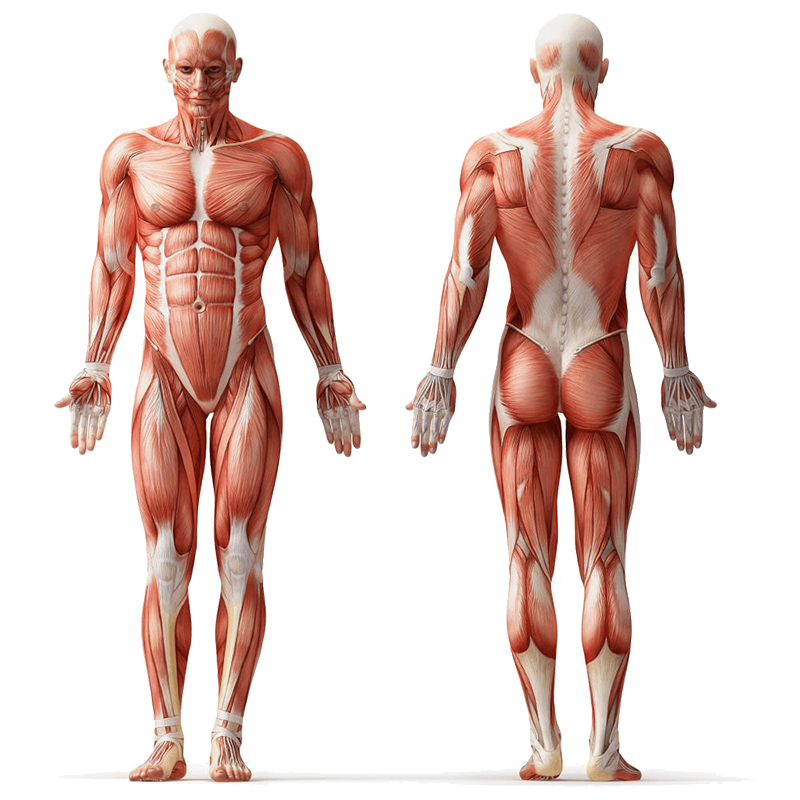
The Dumbbell Lunge, also known simply as the Weighted Lunge, is a dynamic strength and balance exercise that works multiple lower body muscle groups while challenging core stability. By incorporating dumbbells, this compound movement enhances resistance, muscle engagement, and coordination. It primarily targets the legs, especially the quadriceps and hamstrings, while the glutes, calves, and core muscles provide additional support and stability. Suitable for beginner to intermediate fitness levels, this exercise is a staple for anyone aiming to build lower body strength, improve balance, and develop functional movement patterns that transfer into everyday activities.
Whether performed stationary or walking, the Dumbbell Lunge builds unilateral strength—working one side of the body at a time—which helps correct muscle imbalances and enhance coordination. In this comprehensive guide, you'll learn about proper form, key safety considerations, common mistakes to avoid, and effective progressions to continue challenging your lower body safely and effectively.
Before performing Dumbbell Lunges, ensure you have adequate space to move forward or backward without obstacles. Begin with light weights to master proper form before progressing to heavier loads. Maintain a neutral spine and avoid excessive forward leaning to prevent strain on the lower back. Warm up with dynamic leg stretches and mobility exercises for the hips, knees, and ankles. Focus on smooth, controlled movement rather than speed, and ensure your front knee does not extend past your toes to protect the knee joint. Note: Consult a fitness professional or healthcare provider if you have pre-existing conditions or experience discomfort during the exercise.
Follow these steps to perform the Dumbbell Lunge with proper technique and control.
Here are key tips to maximize effectiveness and safety when performing Dumbbell Lunges.
Watch out for these frequent form errors that can reduce effectiveness or increase injury risk.
The Dumbbell Lunge offers a wide range of physical and functional benefits when performed correctly.
If you're new to lunges or need a lower-intensity version, try these modifications.
As you gain strength and confidence, progress your Dumbbell Lunge using these variations and challenges.
The Dumbbell Lunge is an excellent compound exercise that strengthens the legs, glutes, and core while improving balance and coordination. With its versatility and scalability, it suits beginners and seasoned lifters alike. Focusing on proper form, control, and progression ensures long-term benefits, from improved athletic performance to better movement in everyday life.
Here are some of the most common questions about Dumbbell Lunges.
The primary muscles targeted are the quadriceps, hamstrings, and glutes, with assistance from the core and calves.
Both forward and reverse lunges are effective; forward lunges emphasize quads, while reverse lunges reduce knee stress and target glutes more.
Start with light dumbbells that allow you to maintain perfect form for 10–12 reps per leg. Increase gradually as strength improves.
Yes, muscle soreness is common, especially for beginners, as lunges engage multiple large muscle groups.
While they target similar muscles, lunges offer unilateral benefits that complement, not replace, squats.
Incorporate lunges 2–3 times a week, allowing 48 hours of recovery between lower body sessions for optimal results.