
Plank Arm Lifts

Video Demo, Instructions, Proper Form Tips, Common Mistakes, Benefits and FAQs
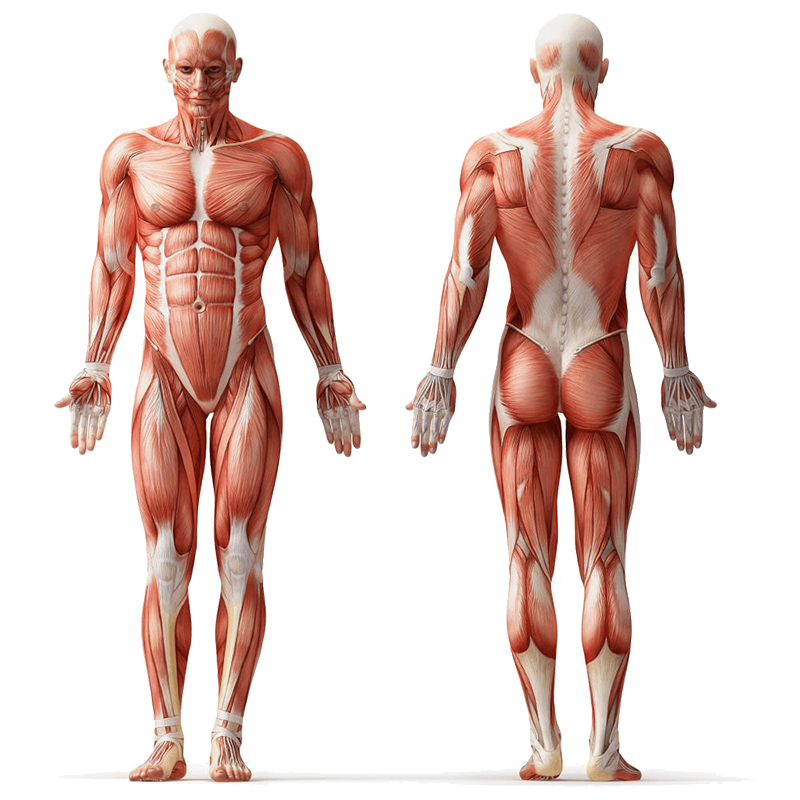
Exercise Profile

Target Muscles:

Rectus abdominis, Transversus abdominis, Obliques

Secondary Muscles:

Shoulders, Trapezius, Glutes, Erector spinae

Exercise Type:

Strength, Balance

Equipment:

Bodyweight

Difficulty:

Beginner to Intermediate

Mechanics:

Compound
Muscle Anatomy

Plank Arm Lifts, also known as Plank with Arm Raises or Plank Arm Extensions, is a variation of the traditional plank that adds dynamic movement to challenge your balance and core control. This is a compound exercise that blends strength and stability training. It primarily targets the abdominal muscles (rectus abdominis, transverse abdominis, and obliques) while also engaging the shoulders (deltoids), upper back (trapezius), glutes, and lower back (erector spinae). The best part is that it only requires your bodyweight, so you can perform it almost anywhere. Because the movement involves lifting one arm at a time, it demands more balance and core activation, making it ideal for those who already have basic plank strength.

Safety Considerations

Before starting, warm up your shoulders, core, and wrists. Make sure the surface is stable, such as a yoga mat or gym floor. Keep your spine neutral and avoid sagging your hips or arching your back. Move slowly and deliberately to maintain control. If you experience pain or strain, especially in your lower back or shoulders, stop and modify the exercise. Note: Consult a fitness professional or healthcare provider if you have any existing injuries or conditions before performing this movement.

Step-by-Step Instructions

Follow these steps carefully, maintaining steady form and control throughout the movement.

  1. Begin in a high plank position with your hands directly beneath your shoulders, arms extended, and body forming a straight line from head to heels. Keep your feet about hip-width apart.
  2. Engage your core by tightening your abdominal muscles, squeezing your glutes, and bracing your legs. Keep your neck neutral and eyes focused on the floor slightly ahead of you.
  3. Shift your weight slightly onto your right arm while keeping your hips and shoulders level.
  4. Slowly lift your left arm straight in front of you until it is aligned with your torso or slightly higher. Pause for one to two seconds at the top.
  5. Lower your left arm back to the floor with control and return to the plank position.
  6. Shift your weight and repeat the movement with your right arm. Continue alternating sides for the desired number of repetitions or time.

Tips for Proper Form

These key points will help you maintain alignment and get the most from each rep.

  • Keep your entire body in a straight line from head to heels.
  • Engage your core throughout to prevent rotation or sagging.
  • Squeeze your glutes to stabilize your hips and reduce wobbling.
  • Lift your arm slowly and with control to maintain balance.
  • Keep breathing steadily and avoid holding your breath.
  • Distribute weight evenly between your supporting arm and legs.
  • Widen your foot stance slightly if you need more stability.

Common Mistakes to Avoid

Watch out for these errors to prevent injury and maintain effectiveness.

  • Allowing your hips to drop or lift too high, breaking body alignment.
  • Twisting your torso when raising your arm.
  • Moving too fast and using momentum instead of muscle control.
  • Letting your shoulders collapse or shrug upward.
  • Forgetting to tighten your glutes and core for stability.
  • Holding your breath during the movement.
  • Placing your feet too close together, which reduces balance.

Primary Benefits

Here are the top benefits of adding Plank Arm Lifts to your training routine.

  • Improves overall core strength and endurance.
  • Enhances shoulder and scapular stability.
  • Builds anti-rotation control for real-world strength and balance.
  • Improves posture by strengthening stabilizing muscles.
  • Enhances coordination and proprioception (body awareness).
  • Engages multiple muscle groups for functional strength and tone.

Regressions

If the standard version feels too challenging, try these simpler alternatives first.

  • Hold a static plank to build foundational strength.
  • Do Plank Arm Lifts from your knees to reduce intensity.
  • Perform shoulder taps instead of full arm raises.
  • Elevate your hands on a step or bench for easier balance.
  • Lift your arm only halfway instead of fully extending it forward.
  • Widen your foot position for extra stability.

Progressions

Once you have mastered the basic movement, use these progressions to increase difficulty.

  • Lift your opposite leg at the same time as your arm for more challenge.
  • Slow down the tempo or increase the hold at the top position.
  • Hold a lightweight dumbbell or plate in your lifted arm for resistance.
  • Perform the movement on an unstable surface such as a BOSU ball or slider.
  • Do two or three arm lifts in a row before switching sides.
  • Try the forearm plank version to challenge your shoulder stability further.

Summary

Plank Arm Lifts combine the strength of a classic plank with the challenge of single-arm balance. This full-body movement engages your core, shoulders, and glutes to build stability and coordination. It can be performed anywhere without equipment and is a great addition to any strength or stability routine. Focus on form, move slowly, and increase difficulty only as your core strength improves.

FAQs

Can beginners perform Plank Arm Lifts?

Beginners can try easier versions such as knee planks or shoulder taps to build core control before progressing to full Plank Arm Lifts.

How long should I hold the plank during each repetition?

Hold the raised arm for about one to two seconds before lowering it with control.

Should my hips move when lifting my arm?

No, your hips should remain stable. Engage your glutes and core to keep your body level and prevent twisting.

How often should I include this exercise in my routine?

Two to three times per week is ideal, as part of a balanced core and strength program.

What muscles does this exercise target the most?

It primarily works your abs, obliques, shoulders, and glutes while also strengthening your lower back and stabilizers.

Is this exercise better than a normal plank?

Plank Arm Lifts are a progression from the standard plank. They are not necessarily better, but they provide a new challenge for balance and core strength.

Disclaimer: It’s important to keep in mind that not all exercises are suitable for everyone. Before trying out a new exercise, it’s crucial to consider factors such as your flexibility, strength, and overall health to determine whether or not the exercise is appropriate for you. Like any exercise, there is inherent danger associated with it and it can potentially cause personal injury. It’s solely the responsibility of the exerciser to bear any injury sustained from the proper or improper use of this exercise. World Fitness.Online and its partners cannot be held liable for any injury that occurs as a result of using this exercise and it’s strongly advised that you seek guidance from a professional healthcare provider before attempting any exercise or exercise program.
Facebook
Twitter
LinkedIn
Scroll to Top